Thanksgiving is a time for joy and togetherness — but it’s not without its challenges for children with autism spectrum disorder (ASD). The holiday replaces your child’s predictable, everyday life with an unfamiliar and highly stimulating environment, which can be stressful and overwhelming.
Sensory activities like arts and crafts can help your child during this busy season by offering a structured, calming way to express themselves and process all the excitement safely and comfortably.
3 Sensory-Friendly Thanksgiving Crafts for the Whole Family
Crafts provide a meaningful way to learn about Thanksgiving themes and traditions. These hands-on activities also support multiple ABA therapy goals, such as fine motor skill development, through activities like cutting, drawing, and gluing. Creative projects also support emotional growth, as crafts give your child a tangible result for their efforts.
As the season of gratitude approaches, here are three fun, autism-inclusive Thanksgiving crafts designed to meet the unique needs of young children.
1. Turkey Handprint
This timeless craft allows children to create adorable turkeys that can decorate your home this holiday season. You will need a few supplies, including:
Washable paint in fun fall colors, like brown, orange, yellow, and red
Construction paper
Baby wipes for easy cleanup
Turkey decorations, including googly eyes and feathers
Have your child paint the fingers and palm of one hand in their favorite autumn colors. Or, help them dip their hand in paint. Then press their entire hand onto the paper and wipe off the paint. Let your child add decorations to transform their handprint into a cheery Thanksgiving turkey.
2. Coffee Filter Turkey
This simple holiday project allows kids to transform a simple coffee filter into a work of art. You will need a standard coffee filter, markers in fall colors, and a wooden clothespin. Let your kiddo color the filter with markers. Then spray it with water to create a unique tie-dye effect reminiscent of turkey feathers.
As the filter dries, draw a fun turkey face onto your clothespin, including eyes and a triangular beak. Then fold your dry coffee filter in half, fluff the feathers, and insert the filter into the top of the clothespin.
3. Gratitude Tree
This activity helps your child learn about the true meaning of Thanksgiving — showing gratitude for the good things in life. For children with autism, a Gratitude Tree can make it easier to express feelings of thankfulness, even if they have trouble sharing these emotions in other ways.
You will need:
Small branch
Leaves cut from construction paper
Markers
A pot or vase to hold the branch
Uncooked rice or soil — optional
Choose a branch to serve as your child’s tree. Encourage your kiddo to write or draw things they are thankful for on each leaf — loving parents, a happy home, their favorite toys. Then attach the leaves to the branch and place them in the pot or vase, creating a Gratitude Tree. If your tree needs help staying upright, you can add soil or rice to support it.
Sensory-Friendly Considerations for Thanksgiving Crafts
Every child is unique, especially when it comes to sensory preferences and communication styles. Here are some ways to make Thanksgiving crafts enjoyable and accessible for all children, including those with autism:
Choices: Offer choices for materials and tools. For example, if your child doesn’t like sticky glue, try using stickers or double-sided tape instead.
Participation level: Let your child decide how much or how little they want to participate.
Simple steps: Breaking down each craft into small steps helps kids who may get overwhelmed by too many instructions at once.
Picture instructions: Provide visual instructions or finished crafts to model each step so they can feel more confident as they work.
Communication tools: Many autistic kids use AAC (Augmentative and Alternative Communication) devices or PECS (Picture Exchange Communication System) to express themselves. Keep these tools nearby to help your child make choices, ask for help, or share how they feel about the activity.
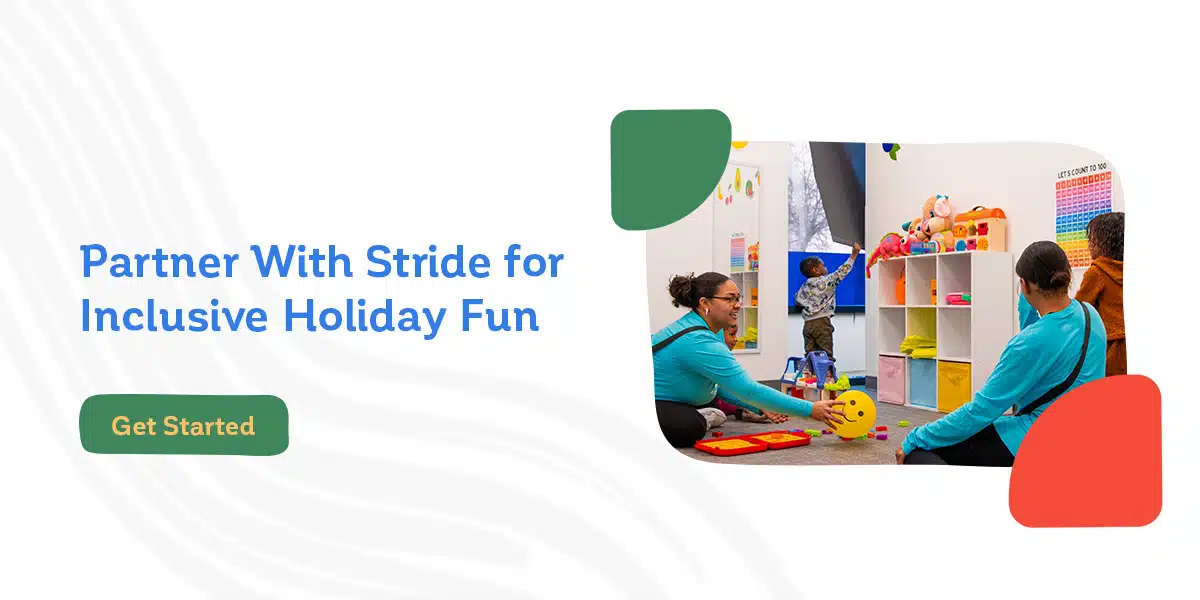
Partner With Stride for Inclusive Holiday Fun
Celebrate the holidays with confidence and support. Reach out to Stride Autism Centers® today and learn how we partner with families like yours throughout the Midwest.
Finding the right support for your child with autism can feel overwhelming, especially as Nebraska’s Medicaid rules for ABA therapy continue to change. If you’re worried about how these updates might affect your family’s access to care, we are here to help.
We’ve broken down the latest changes to Medicaid and ABA therapy in Nebraska, what this means for your child’s therapy, and how you can continue to access the support your kiddo deserves. We’ll also suggest alternative funding options and show you how Stride Autism Centers® can help your family thrive.
Understanding the New Nebraska Medicaid and ABA Therapy Rules
Recent changes to Nebraska’s Medicaid program have reshaped how families can access and afford Applied Behavior Analysis (ABA) therapy for children with autism. These updates were designed to bring Nebraska’s reimbursement rates in line with neighboring states, but they also mean families and providers are facing new challenges. Understanding these changes is the first step in making informed decisions about your child’s care.
Here’s a snapshot of what parents need to know when navigating Medicaid and ABA in Nebraska:
Reimbursement for direct therapy by behavior technicians is cut by 48%, the parent training payment drops by 51%, and care plan and protocol adjustments by Board-Certified Behavior Analysts (BCBAs) are reduced by 37%. Additionally, payments for treatment assessment development are reduced by 28%.
Cuts to the Nebraska Medicaid rates for ABA services have affected certain providers, making it harder for some clinics to operate at their previous capacity.
Funding reductions may affect the amount of support you receive for your child’s therapy. Lawmakers and advocacy groups are actively reviewing the impact of these changes on families and providers.
How These Changes Impact Services and Financial Support
The new Medicaid rules have immediate and noticeable effects on the availability and quality of ABA therapy in Nebraska. Families may need to adjust their expectations and explore new ways to secure the support their children need.
The impact will likely be felt in the following ways:
Reduced therapy hours: Some children may receive fewer hours of therapy each week due to funding constraints.
Longer waitlists: With fewer resources, providers may have to limit new enrollments, leading to longer wait times for services.
Loss of services: In some cases, families may lose access to their preferred provider or have to travel farther for care.
Importance of ABA Therapy
Consistent, high-quality ABA therapy is a cornerstone of early intervention for children with autism. Even as funding and access change, the benefits of ABA remain clear and essential for your child’s growth and development.
Stronger Social and Communication Skills
ABA therapy helps children with autism build stronger social and communication skills by teaching them how to express their needs, understand social cues, and interact effectively with peers and adults. Through structured social skills training, your kiddo can learn to navigate conversations, share, take turns, and respond appropriately in different situations.
This support reduces feelings of isolation by helping children form meaningful connections and relationships and sets the stage for greater confidence and participation in everyday life.
Enhanced Emotional Regulation Skills
Kids learn valuable strategies for managing frustration, anxiety, and other strong emotions. By learning how to regulate their feelings, children with autism may experience fewer meltdowns and be better able to participate in daily activities at home, school, and in the community. This improved emotional regulation helps them feel more confident and comfortable as they navigate new situations and challenges.
Increased Independence
ABA therapy helps kiddos build important self-care, daily living, and problem-solving skills that empower them to become more independent. As they master these abilities, they gain confidence and autonomy. This makes it easier to participate in routines and challenges at home, in school, and within their community. Increased independence supports overall growth to help your child thrive in everyday life.
Enhanced School Readiness
Early ABA intervention helps prepare your child for the routines and expectations of kindergarten and beyond. Through therapy, they will learn important skills through joyful experiences. This includes following instructions, taking turns, and staying on task — all foundational abilities that make it easier for your little one to adjust to classroom environments and thrive in their early school years.
Family Empowerment
A mission-driven ABA program committed to achieving meaningful outcomes empowers your family with training support so you can reinforce positive behaviors at home. This easy, stress-free guidance makes you, as the parents or caregivers, active partners in your child’s progress for a more consistent and supportive environment. As a result, children with autism achieve developmental gains and numerous victories that bring you both joy.
A Customized Approach Tailored to Your Child’s Needs
ABA therapy is a customized approach based on your child’s unique strengths and focal areas. Each program is individualized, which allows therapy to fit the specific areas where your child needs the most support. Through ongoing assessment and regular adjustments, your child’s goals remain relevant and achievable, helping them make steady progress over time.
Alternative Financial Options for ABA Therapy
If the changes to Medicaid and ABA therapy in Nebraska have affected your family’s access to therapy, there are still ways to secure support. Exploring alternative funding options can help bridge the gap and keep your child’s progress on track.
Leverage Private Health Insurance
If you have private health insurance, explore whether your plan covers ABA for your child. Many insurance policies now include autism benefits, and understanding the details can help you make the most of your coverage. As you review your insurance policy to see if ABA therapy is covered, be sure to ask your insurer about pre-authorization requirements and the documentation needed for ABA coverage.
Find Grants and Nonprofit Support
You may be able to apply for financial assistance through national and local grants and nonprofit organizations dedicated to supporting children with autism. These resources can help cover the costs of therapy and related services. Consider the following options as you explore additional support:
Organizations to explore include Autism Care Today and United Healthcare Children’s Foundation. Application processes vary, so check each organization’s website for eligibility and deadlines.
Discuss Payment Plans With Providers
If insurance or grants don’t fully cover the cost of ABA therapy, your ABA center can open up flexible options that fit your budget. Some ABA centers offer flexible payment plans or sliding-scale fees for families paying out of pocket. Don’t hesitate to discuss your financial situation — many providers are happy to work with families to ensure continuity of care. Ask providers about their private pay rates, available discounts, and payment schedule options.
How Stride Autism Centers® Can Help
Stride Autism Centers® is committed to helping your family navigate Medicaid and ABA in Nebraska so you can continue accessing high-quality therapy. Children with autism who receive appropriate ABA therapy early in life often require fewer services as they get older, making it a cost-effective approach for insurance companies in the long run.
Our team is aware of the challenges you’re facing, and we’re here to support you by:
Helping you explore all available insurance options, including Medicaid, private insurance, and alternative funding sources.
Guiding you through the process of applying for grants or setting up payment plans.
Providing evidence-based ABA programs designed to meet your child’s unique needs, with a focus on social skills, independence, and school readiness.
Our goal is to empower your family and help your child thrive, no matter what changes come your way.
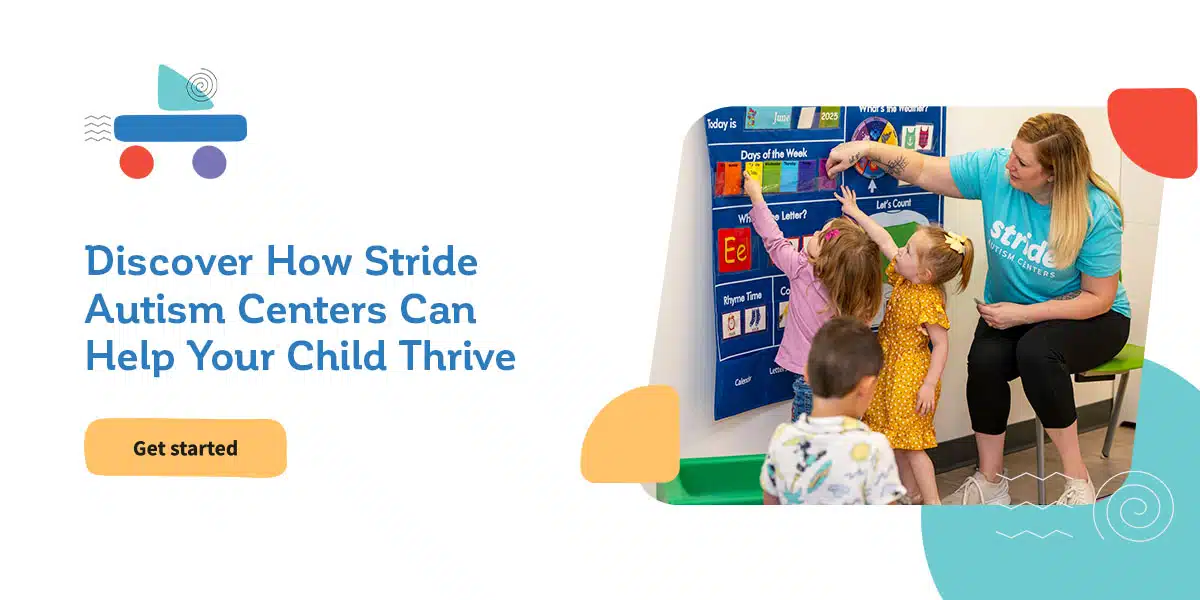
Discover How Stride Autism Centers® Can Help Your Child Thrive
No matter how the State of Nebraska Medicaid and ABA services rules change, your child’s potential remains limitless. Stride Autism Centers® is here to help you navigate every step of the journey — from understanding your funding options to providing compassionate, evidence-based ABA therapy.
There is no need to let uncertainty stand in the way of your child’s progress. Call our caring, experienced team at 515-207-5251 or connect with us online to see how we can help your family access the support you need so your kiddo thrives.
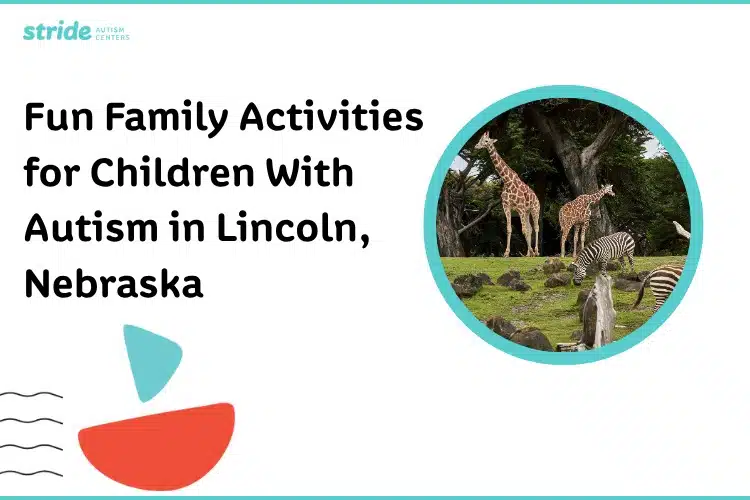
Families living in Lincoln, Nebraska, know that this warm and friendly community is a great place to raise your kids. But what if you have kiddos with autism? No matter where you go in the city, people here have fully embraced a heart of inclusivity — and many family-friendly venues reflect this commitment.
So, whether your child loves wildlife or wants to learn a new sport, let’s explore some autism-inclusive activities in Lincoln that the whole family can enjoy together.
5 Things to Do in Lincoln for Children With Autism
Sensory tools, special events, and accommodations can create a more comfortable, calming environment. Here are five of our favorite sensory-friendly activities in Lincoln, NE.
1. Lincoln Children’s Museum
Discover a place where the power of play is harnessed to unlock curiosity, creativity, and a love of learning. Lincoln Children’s Museum is a three-floor destination for imagination, filled with interactive exhibits that allow kids to explore what they love about our world.
The Lincoln Children’s Museum has partnered with KultureCity® to create a space where every child feels welcome. When you bring your child with autism, you’ll find an array of sensory-friendly resources to make the experience more comfortable and relaxed, including:
Social story: Download this graphic tool before your visit so that your kiddo knows what to expect during your visit.
Headphone zones: Designated signage indicates areas that may be too loud or overstimulating.
Quiet areas: These quiet spaces are the perfect place to take a break and regroup.
Weekly sensory hours: Every Wednesday and Thursday from 3:00 p.m. to 5:00 p.m., the museum creates a more soothing space for kids who may be overwhelmed by sensory input.
2. Lincoln Children’s Zoo
Head to the Lincoln Children’s Zoo for a wild and wonderful adventure. There’s nothing quite like a day filled with firsthand animal interactions. The zoo features over 400 creatures from all around the world, including Sumatran tigers, giraffes, penguins, and other wild or endangered species.
As a KultureCity® Certified Sensory Inclusive™ Organization, the Lincoln Children’s Zoo works to create a positive experience for guests with sensory needs. Zoo staff are carefully trained to recognize kids with processing difficulties. At the front gate, you can also pick up a sensory bag with noise-canceling headphones, fidget tools, and verbal cue cards.
Before your visit, download the free KultureCity® App, which offers additional resources and a social story preview of what your child can expect when visiting the zoo.
3. Marcus Movie Theatres
From booming surround sound to flashy special effects to unfamiliar food smells — going to the movies can be an overwhelming experience for kiddos with autism. That’s why Marcus Theatres in Lincoln hosts Reel Movies for Real Needs.
On Saturday mornings, select theaters in Lincoln offer families the chance to screen the most anticipated hit movies in a safe and inclusive environment. That means lower sound, gentle lighting, and a space that welcomes your family to come just as they are. The experience is available at Marcus South Pointe Cinema and other theater locations in Lincoln.
4. Sensory Storytime at Lincoln City Libraries
Make reading a fun activity to help your child’s language development and listening skills. As part of the Storytimes program at Lincoln City Libraries, Sensory Storytime is an interactive experience focused on inclusivity.
Whether your child needs a little extra attention when listening to books or thrives in a more controlled setting, they’ll be able to hear and engage with stories designed to capture their interest. Each session incorporates visual supports, sensory activities, and gentle storytelling techniques from librarians committed to creating a welcoming environment.
5. Special Olympics Young Athletes
It’s important to encourage the joy of physical activities during early childhood. Young Athletes introduces kids ages 2 to 7 and their families into the world of Special Olympics with a free sports program that gives everyone an opportunity to learn, exercise, and play together. The adaptive course incorporates socialization with physical activity, teaching kids to run, jump, kick, catch, throw, and perform other basic skills.
This program is sponsored by the Lincoln Shooting Stars team of Lincoln Parks and Recreation.
Tips for Exploring Autism-Inclusive Activities in Lincoln
Whether your child prefers the comforts of home or loves getting out and about, there are ways that you and your family can support their participation in these outings and activities.
Consider your child’s needs: Your kid is a unique and creative individual. So, pick activities that align with their interests and sensory sensitivities.
Think ahead: Many venues or activities have websites featuring sensory-friendly accommodations. If not, call ahead to confirm this is the right option for your little one.
Prepare for transitions: If transitioning between one activity and another, allow time for breaks or sensory adjustments.
Utilize local resources: Organizations like Autism Family Network (AFN) exist to help Lincoln locals connect with others who truly understand and share similar life experiences.
Author: Brad Zelinger – CEO and Founder of Stride Autism Centers®
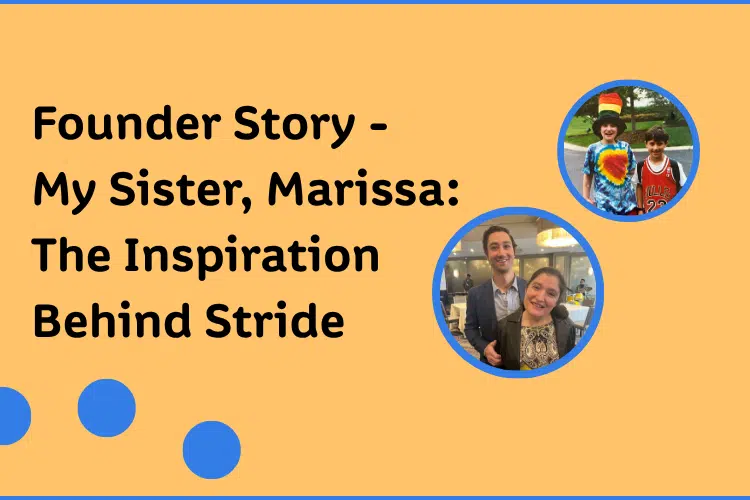
My older sister, Marissa, is the reason behind Stride Autism Centers®. Marissa has Rett Syndrome, a rare genetic disorder on the autism spectrum.
I have a vivid early childhood memory of calling out, “Hi, Marissa!” and hoping she would answer me. While I was often met with her beautiful smile, her voice remained silent.
To this day, my family and I long to truly communicate with her and that yearning has fueled a lifetime of purpose.
I remember being a shy kid in elementary school, but I also remember Marissa. We went to school in the same building, and her unique cries would often echo through the hallways as she transitioned between classes. Those sounds always cut through to me. I would hear them from my own classroom and feel a knot in my stomach, wondering: Is she okay? Is she hurt? Does she need something? I wanted so desperately to help her and understand what was going on, but I was just a child myself, busy in my own class and unable to do anything to make a difference. That feeling of wanting to help but being unable to is a driving force behind Stride.
My passive shyness transformed on a family trip to Washington D.C. when I was 12. We were at a museum, and my parents were momentarily distracted. For a fleeting second, I was just the shy, embarrassed kid again—the one who felt the awkward distance between himself and his unique sister, especially in public. As Marissa began to wander off towards a large group of students, I had a clear choice: let her drift unsafely, or act and reveal that I was her brother, in front of everyone. Without a second thought—and in full view of that entire group—I chose to reach for her hand to ensure she stayed with us and was safe. That distinct moment was a powerful turning point. By choosing to grab her hand, I shed my self-consciousness and fully embraced my role. From that moment on, I have felt pride and joy about the opportunity to be her brother, friend, and advocate.
Turning a Personal Mission into a Professional One
Growing up, supporting my sister’s special needs was not just a part of our family life, it was central to everything we did. It ignited a deep-seated passion to help others like her.
This drive led my grandparents to establish the Goldstick Initiative at the University of Illinois College of Education over 20 years ago to advance research and cultivate the next generation of leaders in the field of communication disorders. A decade ago, I launched Reverse Rett Chicago, an annual fundraiser for Rett Syndrome, the autism-related disorder affecting Marissa. Since then, we’ve raised over $3 million for Rett research. These efforts were always deeply personal – an extension of our family’s mission to help Marissa and others.
My journey to found Stride happened during my post-MBA finance career. Despite landing a job I’d worked so hard for, I felt a deep longing for more meaningful work. It was then that I found a way to apply my business background to a mission-driven pursuit that directly supported people with disorders like my sister and touched my heart.
A friend suggested I read the book Autism Matters by Ronit Molko, which outlined the lack of quality autism services throughout the country. I realized that my years of family advocacy and business training had prepared me for this exact moment: to build Stride from the ground up to provide the resources I wish my sister had always had. This work wasn’t a new direction for me; it was the culmination of everything I’d learned and cared about.
Finding My Calling in Applied Behavior Analysis (ABA)
The more I learned about the life-changing power of ABA, the more passionate I became. I spent a year traveling the country to study the best possible model for designing my own ABA center.
Learning about the power of ABA was both a revelation and a bittersweet moment. It was an enormous opportunity to help others, but it also made me reflect on my sister’s past. I grew up participating in her therapy sessions, and while they were filled with love, they lacked the tangible progress we all hoped for. I came to realize that if those dedicated therapists had the tools and techniques of ABA, my sister might have had more independence and had her voice heard.
The Stride Difference: Early Intervention and Gold Standard ABA
This realization fuels Stride’s mission. My hope is to provide other families with the resources and tools I wish my sister had. This is why Stride is committed to providing the highest standard of ABA therapy, with a focused approach on early intervention for young children.
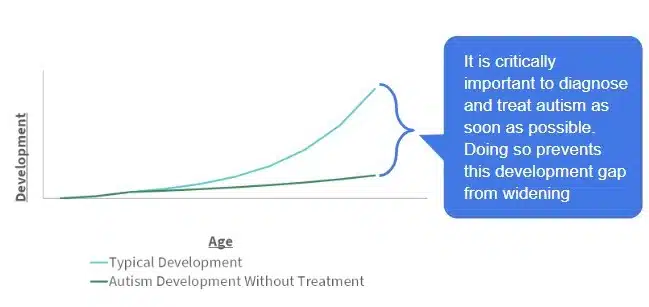
At Stride, we understand that early intervention is paramount. The graph above illustrates a crucial truth: the earlier effective treatment begins, the greater the potential to bridge developmental gaps. Just as it was harder to make a significant difference later in life for my sister, we know that the greatest impact for children with autism comes when support is provided during their formative years. This understanding shapes our unwavering commitment to reaching children as soon as possible, empowering them with foundational skills that will serve them throughout their lives.
We specialize in Applied Behavior Analysis (ABA) because it is the gold standard for autism therapy, backed by decades of research demonstrating effectiveness. Our focus is delivering top-tier ABA for young children. This specialization allows us to channel all our resources and expertise into what makes the biggest, most impactful difference.
Beyond the specific ABA techniques, our center-based model is a cornerstone of success. It provides an environment rich with social interaction, which is vital for children to develop relationships and learn social cues so they can successfully navigate school and beyond. In our centers, children engage with peers and therapists in varied structured and natural settings, building communication and social skills that are often difficult to replicate in other environments, like home-based therapy. At Stride, we enable children with autism to graduate successfully into neurotypical kindergarten classrooms, and in doing so, pave the path towards an independent and joyous life.
Purposeful play can be a powerful tool for growth, especially in little ones with autism. Finding the right toys can help your kiddo feel calmer, unlock new skills, and focus better, all while having fun. Sensory toys are excellent tools for supporting your child’s development and helping them express their creativity to make playtime more meaningful.
Feel more comfortable in stimulating or unfamiliar environments
Develop fine and gross motor skills
Build communication skills
Types of Sensory Toys for Kids With Autism
Sensory toys fall into different categories based on the senses they engage, such as touch, sound, and sight. These are some of the best toys for children with autism:
Visual Toys
Visual toys involve visually engaging movements, patterns, or lights that have a calming effect. Some of the best visual toys for little ones with autism include:
Star or light projectors: A star or light projector creates a calm environment for your child. They can watch stars twinkle on their ceiling or gentle waves roll across the wall.
Sensory bottles: A sensory bottle is a small tube filled with colorful liquid that slowly drips and swirls downward when flipped over. It’s relaxing to watch and can help kids rest during transitions and quiet time. To make a sensory bottle, fill three-quarters of a bottle with water, mix one or more bottles of clear school glue into it, and add fun visual details such as glitter or beads.
Auditory Toys
Auditory toys provide sound-based sensory input to manage sensory processing, promote calmness, and enhance communication skills. Your kiddo may enjoy these fun ones:
Musical instruments: If your little one enjoys music, you can help them express their feelings and regulate emotions with musical instruments. Whether they tap on a drum, strum a toy guitar, or create melodies on a keyboard, auditory output is excellent for moments of calm creativity.
Shakers: You can also buy maracas or make papier-mache shakers for fun auditory experiences. The sensation of shaking a toy, feeling the internal pieces move around, and making sounds can be very fun and engaging for little ears.
Movement Toys
Movement toys engage your kiddo in movement, balance, and body awareness to help them develop or strengthen motor skills. Here are some of our favorite movement toys:
Tunnels: Crawling through a tunnel is a fun adventure that provides resistance and deep pressure. The enclosed space can give your child a sense of security and let them engage in imaginative play. Your little one might imagine they’re exploring a bear cave, climbing into outer space, or entering another world.
Swings: A swing’s gentle, rhythmic swaying motion can help regulate the nervous system and manage sensory overload. It’s also a great way to develop balance and body awareness.
Yoga ball: A yoga ball is a fantastic way for your child to experience gentle, consistent pressure while exploring their senses and developing balance. They can bounce, lift, roll, and sit on the ball for soothing input and tactile engagement.
Deep Pressure Objects
Deep pressure toys use firm tactile sensation or weight to calm the nervous system and regulate emotions. Your kiddo might enjoy deep pressure from toys such as:
Weighted lap pads: Weighted lap pads mimic the feeling of a gentle hug or a hand resting on the lap, helping kids feel grounded and secure. When used during seated activities like meals, car rides, or doctor’s appointments, a weighted lap pad can help your little one feel calm and focused. Talk to your child’s health care provider or Applied Behavior Analysis (ABA) therapy team to choose the perfect weight and learn the best ways to use this deep pressure object.
Weighted stuffed animals: Weighted stuffed animals are an adorable, cuddly alternative to weighted lap pads. Your child can snuggle a weighted plush toy at home, in the car, or in social settings to feel calmer.
Stimming Toys
Autism stimming toys provide strong sensory input that replaces a potentially unsafe stim, channeling it into a safer action. They can meet various sensory needs, such as movement, touch, sound, and sight. Consider introducing your little one to these stimming toys:
Stress balls: Squeezing a stress ball can help your child feel calm and grounded, especially in overstimulating situations or environments.
Chewable jewelry: Chewable toys are perfect if your kiddo likes to chew to feel calm or focused, and they come in lots of different shapes and textures. Just make sure to pick ones that are medical-grade and nontoxic for safe chewing.
Tactile Toys
Tactile toys, another type of stimming toy, engage your child’s touch to enhance focus. These textured objects and autism fidget toys can help your kiddo focus on tasks, reduce stress, and feel more comfortable in different situations:
Kinetic sand: Your kiddo can squish, shape, and poke kinetic sand. It’s soft, sticks to itself, and cleans up in a snap. Plus, it’s made from natural sand and is safe for kids with allergies. Its unique, moldable texture provides soothing tactile input and encourages fine motor practice as children squeeze, shape, and build.
Magnetic or textured tiles: Magnetic tiles are easy to connect and pull apart, reducing frustration and encouraging creativity. They can help your kiddo build hand strength, spatial awareness, and problem-solving skills.
Play-Doh or nontoxic clay: Play-Doh or nontoxic clay lets your child press, squeeze, roll, and mold for a fun, calming experience. This also helps your little one practice their grip and develop fine motor skills.
Fidget poppers: Fidget poppers have rows of bubbles that your kiddo can easily push out on both sides. They’re easy to keep clean, and your little one can choose from many different shapes and colors. The simple, satisfying popping action keeps hands busy and minds calm, helping reduce anxiety and support concentration.
Help Your Child Grow and Thrive at Stride Autism Centers®
Sensory toys help little ones with autism experience the world around them with a greater sense of calm, comfort, and security. Stride Autism Centers® is passionate about helping your kiddo learn, grow, and develop at their own pace. Our play-based ABA therapy implements various sensory toys into your child’s learning activities and daily routines. Contact us online or call us at (515) 207-5251 to learn how we can help your child thrive.
Sensory seeking is part of childhood development. That’s why kids tend to put just about anything in their mouths. For kiddos with autism, this can take on a unique, sometimes extreme form. If you’re worried about your child chewing on their hair or clothes or biting their fingers or fingernails, there may be an underlying need behind this habit. Chewing could be helping them calm or regulate themselves.
That’s why you need a safe and effective way to address your child’s strong oral sensory needs or biting behaviors. An autism chew toy may be the answer.
Are Chew Toys Good for Kids With Autism?
Sensory chewies, sometimes called autism biting toys, are simple objects specifically designed to be safely chewed on. These nonfood items provide sensory input and a way to satisfy your child’s need to chew.
If you’re wondering if chew toys are good for autism, it’s important to consider why your child is choosing to chew. Autistic kids often experience their five senses differently, including their oral senses. While everyone needs oral sensory input, such as chewing, biting, and eating, kiddos with autism tend to have a higher-than-usual urge for oral stimulation. Chewing frequently serves as a coping mechanism to ease emotional tension or handle overwhelming sensations.
An autism chewie is a better alternative for everyone. Chewing these safe, purpose-built objects may help your child be calmer, happier, and more focused at home and school.
The 7 Best Sensory-Friendly Biting Toys
Choosing a sensory chew toy can be a daunting task. These objects come in a wide variety of sizes, shapes, textures, and colors — so how can you know which is right for your kid?
The best autism chew toy is the one that best matches their chew style and preferences. These items are often made from safe, nontoxic materials like silicone or fabric. The key is finding a chewie that can serve as a healthy alternative to what they’re currently obsessed with chewing — such as their clothing, tongue, the sides of their mouth, fingers, or other objects.
With that in mind, here’s your guide to the seven best chewie toys for autistic kids.
1. Chewelry
Chewelry is a sensory chew that resembles jewelry. They come in various styles, such as pendant necklaces, textured arm bands, or coiled bracelets, allowing you to choose a placement that draws your kiddo’s focus. Chewelry is helpful for those who may not want an obvious chew toy, as many options come in fun shapes and colors that allow kids to express their unique style.
2. Chew Sticks
If your child likes to bite down hard on objects, then you need a biting toy that’s built tough. Chewies from Chew Stixx™ are carefully designed for kids who chew through normal toys. These durable chews have various textures like bumps, ridges, and smooth surfaces.
3. Fabric Chewies
If you’re tired of soppy sleeves and wet collars, you may need a chewable that matches the comforting sensation of chewing on fabric. Often made from absorbent terry cloth, fabric chewies allow your kiddo to chew and suck more hygienically and discreetly than chewing on their clothing.
4. Pencil Toppers
If your child has started school, you may notice many chewed pencils and erasers. Chewable pencil toppers offer an effective substitute. Available in a variety of shapes and sizes, they allow your kiddo to chew while writing or doing another task that requires focus.
5. Chewable Fidgets
A chewable fidget is an excellent option if your child needs a way to keep their mouth and hands busy. From tactile hand toys in the shape of their favorite animal to satisfyingly chewy tubes, there’s sure to be a fidget that your kid will love to handle and bite.
6. Vibrating Chew Toys
Chewies with gentle vibrations can be a great way to provide a new level of sensory stimulation. These tools are often used to help children develop speech and feeding skills. However, this chewable toy is not for every child, as the vibrations may become overstimulating.
7. X-Shaped Chewies
For kids who chew with every part of their mouth, X-shaped or person-shaped bite toys can satisfy a need for deep pressure. The longer arms reach the back of the mouth, providing more opportunities for oral exploration.
Get the Support You Need at Stride Autism Centers®
History, culture, nature, art — Chicago is home to some of the best museums in the world. These venues are often packed with locals and visitors alike, clamoring to see the exhibits and roam the collections. When you have a child with autism, you may hear words like crowded, bright, or loud and think that these incredible Chicago attractions are not in the cards for your family.
Thankfully, as local museums work to increase inclusion among visitors, these iconic institutions are more accessible than ever before. Many offer special resources or dedicated sensory-friendly events and experiences.
6 Museums for Children With Autism Near Chicago
As the weather gets colder, now is the perfect time for children of all abilities to explore these important attractions. Here’s a list of six sensory-friendly museums near Chicago.
1. Field Museum
Experience the history of Earth firsthand at one of the world’s leading institutions for natural history and cultural wonders. Your kids can marvel at giant dinosaurs, get close and personal with Egyptian mummies, and even greet Sue, the world-famous T. rex.
The Field Museum is dedicated to removing barriers to ensure everyone feels welcome. You can download the Field for All app and plan your visit ahead of time with resources like:
Sensory-friendly museum maps
Exhibition previews
Customizable schedules
Once you arrive, the Visitor Center will give you a free sensory bag full of tools, such as headphones, sunglasses, and various fidgets, so your child can comfortably engage with the different exhibits.
2. Chicago Children’s Museum
If your child with autism is a sensory seeker, the Chicago Children’s Museum is the perfect place for them to play and learn through hands-on exhibits. As a museum dedicated to kids, the Chicago Children’s Museum creates accessible and inclusive experiences to address each visitor’s unique needs. General resources include:
Regroup areas where overstimulated kids can take a break
Sound-reducing headphones
Storybook guides to promote a comfortable connection with the environment
The museum also offers a Play For All initiative — with free admission to come an hour early on select Sundays to experience the exhibits and programs in a more sensory-friendly way.
3. The Art Institute of Chicago
Let your child view some of the most famous and significant artworks ever by masters like Van Gogh, Monet, and Renoir. You’ll also see iconic works like Grant Wood’s American Gothic.
The museum provides a few sensory-friendly resources, such as:
Social narrative: Includes images and simple descriptions of what your child can expect during their museum visit.
Sensory map: Outlines sensory-friendly spaces that are dimly lit and less crowded, including exhibits with tactile activities or engagement.
4. Shedd Aquarium
Explore the wonders of the aquatic world at Shedd Aquarium. Along with being one of the most highly ranked aquariums in the world, Shedd is a KultureCity® Certified Sensory Inclusive Venue. The welcoming staff is specially trained to recognize guests with sensory needs, and sensory bags are available for free at the main information desk.
The aquarium also features a limited-capacity event called Calm Waters for families with special sensory needs. These select Sundays feature a curated schedule, low-sensory exploration, and even an animal encounter opportunity.
5. Kohl Children’s Museum
Get away from the hustle and bustle of the city to the nearby suburb of Glenview, Illinois, where you will find a friendly place for children of all ages and abilities. Kohl Children’s Museum harnesses the power of play, allowing your child to explore fun, hands-on exhibits that stimulate learning and wonder.
On select Sundays, the museum hosts Everyone at Play — a free program designed for universal accessibility. This event features trained staff who can provide support, guidance, and one-on-one interactive activities.
6. The Peggy Notebaert Nature Museum
Located in Chicago’s famed Lincoln Park, the Peggy Notebaert Nature Museum is a local treasure dedicated to connecting people to nature, science, and conservancy. For kids with autism who love butterflies, botanicals, and critters of all shapes and sizes, the museum hosts a Low Sensory Morning on select Wednesdays. This limited-capacity event features:
Lower lights
Reduced sound stimuli
Sensory-friendly critter connections
Sensory kits
Quiet room for sensory breaks
Tips for Visiting These Chicago Museums
As with any outing or excursion, it’s always best to be prepared when visiting one of Chicagoland’s notable museums — especially when your kiddo has autism. Some tips for planning a successful museum visit with your child include:
Checking for resources: Specialized museum apps, social stories, sensory maps, and other resources can help your child know exactly what to expect with a step-by-step plan for your visit.
Visiting during off-peak hours: Look online to see when the museum is less packed to minimize crowds and noise.
Communicating with museum staff: Some museum staff have specialized training in this area and can provide additional support and guidance.
Utilizing sensory supports: Check for quiet rooms designated for breaks and sensory kits with items to help reduce overstimulation.
Connect With Stride Autism Centers® in Chicago
Sensory-friendly museums allow kids of every ability to participate fully in these impactful cultural experiences. At Stride Autism Centers®, we want to be a part of your family’s journey with autism here in Chicago and surrounding areas. We offer compassionate ABA therapy and support services to help kids ages 2 to 6 grow in confidence and independence.
Reach out online or schedule a consultation at one of our five centers in the Chicagoland area.
On September 25, the University of Illinois College of Education hosted its 21st annual Goldstick Family Lecture, made possible through the generosity of the Goldstick-Zelinger family. This year’s event featured Dr. Zach Rossetti, a nationally recognized scholar focused on inclusive education and friendships among children with intellectual and developmental disabilities (I/DD).Dr. Rossetti’s talk, “Prioritizing Friendship in School and Community,” emphasized why friendships are not just “nice to have” but essential relationships that foster belonging, growth, and joy for all children.
Why Friendship Matters
Friendships are more than playdates or shared activities. They are personally valuable and developmentally vital. For children with autism and other developmental disabilities, friendships often serve as a bridge between isolation and inclusion.“Friendship can be the bridge between isolation and belonging, between silence and laughter, between being seen and being celebrated.” — Dr. Zach RossettiThis powerful reminder framed the lecture’s message: friendship is not simply about practicing social skills, but about creating authentic human connections
Barriers Are About Opportunity, Not Just Skills
One of the lecture’s key takeaways is that opportunity barriers, not a lack of social skills—often prevent friendships from developing.
Children with I/DD are too often separated from peers in classrooms or community settings.
Adults may unintentionally over-structure interactions, making them less natural.
Without purposeful inclusion, chances for real peer connection are missed.
Adults Play a Critical Role
The lecture emphasized that direct support from adults is a critical facilitator of friendships. Teachers, families, and service providers can help by:
Creating shared experiences where children of all abilities learn and play together.
Supporting peers in learning how to communicate and include.
Valuing relationships alongside academic or therapy goals.
How Stride Brings This to Life
At Stride Autism Centers®, we see every day how friendships strengthen children’s confidence and social growth. Our center-based model is uniquely designed to support this balance:
Personalized 1:1 therapy ensures each child is working toward their individual goals.
Natural group activities give children the chance to practice those skills in real social settings like playing, sharing, learning, and making friends.
This blend allows children not only to develop communication, school readiness, and self-care skills, but also to form meaningful peer relationships.Early intervention matters most between ages 2–6, and friendships built during this stage can help children thrive in kindergarten and beyond.
Final Thoughts
The Goldstick Lecture reminds us that while therapy builds skills, the heart of childhood is friendship. By addressing opportunity barriers and creating environments where all children can belong, we give them more than treatment, we give them connection, joy, and a foundation for lifelong inclusion.Want to learn more about how Stride promotes both individualized growth and social belonging for children with autism ages 2–6? Visit stridecenters.com.
We can remember the itchy, tight, noisy, or smelly Halloween costumes we wore while trick-or-treating in our childhood. While they were uncomfortable for us, they can be overwhelming for kids with autism, often leading to stress, meltdowns, or avoidance. Here’s a comprehensive guide to costume ideas and tips to help your child with autism have a safe, comfortable, and fun Halloween.
Why Sensory-Friendly Costumes Matter for Young Children With Autism
Halloween is typically filled with spooks and scares, and while this can be fun for some, it can be very overwhelming for your child with autism. Sensory issues are common for those on the autism spectrum and can include all five senses: sight, sound, taste, touch, and smell. Finding a comfortable costume is something you can control for your child on a night that is already unpredictable and loud, helping them feel safe, confident, and included.
What to Look for in a Sensory-Friendly Costume
Creativity is the best approach when looking for a sensory-friendly Halloween costume. Here are a few materials and details to keep in mind:
Soft, breathable fabrics: For your child’s Halloween costume, look for soft, breathable, and nonirritating fabrics. Instead of scratchy materials like tulle or polyester, try to find cotton, bamboo, or other natural fibers. It’s also helpful to layer soft, familiar clothing under the costume so any itchy materials never directly touch your child’s skin.
Tagless and seamless designs: Tags and seams on costumes are often itchy and uncomfortable. If the costume has a tag, cut it off and adjust seams as needed for a comfortable fit.
Easy-on, easy-off features: When searching for costumes for children with autism, prioritize hook-and-loop fasteners, such as Velcro, or simple buttons. This way, you can easily remove the bothersome garment if necessary. Layering clothing beneath the costume is also helpful in these situations.
Adjustable and customizable options: Many costumes come with adjustable features, such as an elastic waist or Velcro closures. Consider sizing based on your child’s needs and preferences and adjust accordingly.
Avoid masks: Search for a costume that does not involve a mask that completely covers the face. These coverings can be stifling and may cause your child to panic.
Top Sensory-Friendly Halloween Costume Ideas for Ages 2-6
We’ve compiled a few store-bought or DIY costume ideas to use, but feel free to use your imagination for endless possibilities!
Store-Bought Options and Considerations
If your child wants a store-bought option or an official costume from their favorite franchise, here are a few places to start:
Harry Potter characters: To transform into a student from Hogwarts, all your child needs is a long, flowy robe and an oversized scarf in their house colors. This iconic and comfortable costume is perfect for a magical, sensory-safe Halloween.
Disney characters: Disney characters offer a wide range of costume options, from princesses to villains and more. Better yet, these costumes are often designed for easy on and off, with Velcro or button closures — and they rarely ever need masks!
Animal onesies: A onesie costume is a cute and comfortable alternative. These one-piece costumes come in various animal types, including pandas, cats, dinosaurs, cows, and sharks.
DIY and Adaptable Costumes
If budgeting is a concern or you prefer to do your own thing, making your own costumes can be a fun craft to do with your child. Browse Pinterest to find ideas that use:
Sweatshirts: A thrifted sweatshirt or one you already own makes a great base for a costume. Sew felt triangles on the back of a hoodie to be a dinosaur or yellow and black stripes on a crewneck to be a bumble bee — the opportunities are limitless.
Everyday clothes: Gather clothes you already own or go to a thrift store to piece together an iconic outfit. For example, you can find an old cheerleading outfit and pair it with pom poms or wear a red and white striped shirt to be Waldo from Where’s Waldo.
Themed pajamas: Every year around Halloween, many stores have a wide variety of themed pajamas. Wearing patterns ranging from spiders to witches, your child can trick or treat in comfort.
Preparing Your Child for Halloween: Tips for a Positive Experience
While every child’s needs are different, here are some general tips for making Halloween a positive experience for everyone:
Practice wearing the costume: Suggest that your kiddo wear their costume around the house ahead of Halloween to get used to it. If they complain about any discomfort, you have time to tweak any design flaws.
Experience Halloween decor beforehand: Before Halloween, you can expose your child to the Halloween decor in a department store. This controlled environment can offer a safe space for them to explore and experience everything on their terms.
Create a code word or signal: Create a code word or signal with your child in case they feel overwhelmed and need a break. This way, you can know how they are feeling and respond quickly.
Make your own traditions: If trick-or-treating is too much, stay close to home and make your own fun Halloween traditions. Hand out candy at your house, or go out to visit other loved ones in costume before Halloween.
Help Your Child Thrive Every Day With Stride Autism Centers®
With Stride Autism Centers®, we use applied behavior analysis (ABA) therapy programs to help children with autism function in overstimulating environments for Halloween and beyond. Together, we can craft a personalized care plan to help your child thrive.
Contact us to get started today.
Eating out is a family event that offers quality time connecting with the people you love. If you have a child with autism, this seemingly simple activity becomes a bit more complex. Your child’s needs take precedence — and since dining out can come with strict social expectations and unfamiliar environments that could overstimulate your kiddo, you may be tempted to skip these outings altogether.
Thankfully, there are many autism-inclusive restaurants in Chicago that can make eating out an enjoyable experience for everyone in your family.
Why Sensory-Friendly Matters When Eating Out
The laughter of diners, the clatter of dishes and cutlery, bright lights, strong smells — a typical restaurant is filled with a staggering amount of sensory input. The overstimulation and unfamiliarity of these environments may be a lot to deal with, making it difficult for your kiddo to stay calm and focused.
A sensory-friendly restaurant recognizes and honors the needs of individuals on the autism spectrum or with sensory sensitivities. By creating a calm, comfortable, and controlled environment, your family can enjoy a dining experience that reduces sensory overload, promotes inclusion, and makes dining out a more positive experience for everyone.
5 Autism-Inclusive Restaurants in Chicago and Surrounding Areas
Here is our list of five Chicago-area restaurants for families with children on the autism spectrum and what you can expect from this sensory-friendly experience.
1. Prairie Grass Cafe in Northbrook
Prairie Grass Cafe in suburban Northbrook wants to create a safe space where all diners feel welcomed. As such, families of children with autism, input disorders, noise sensitivities, and other disabilities are welcome to attend the restaurant’s Sensory-Friendly Dining Hour on the last Saturday of each month. This inclusive event allows individuals of all ages and abilities to enjoy a meal with their loved ones in a more relaxed environment. The experience includes these unique features:
Crowd-free dining
Dimmed lights
Reduced noise
Minimal wait times
The staff at Prairie Grass Cafe has also been carefully trained about how to create a sensory-friendly dining experience — minimizing contact with patrons while remaining respectful and flexible to their needs.
2. Brazil Express Grill in Schaumburg
Brazil Express Grill is a family-friendly restaurant located in the northwestern suburb of Schaumburg. Along with its delicious menu of unlimited grilled meats, this restaurant boasts a special honor — it is the first autism and sensory‑approved restaurant in Chicago through the Autism Hero Project.
By making a reservation at this autism-inclusive eatery, your family can enjoy a dining experience that recognizes your child’s unique needs. The restaurant proudly provides the following:
Quiet, dimly lit dining areas
Sensory bins with headphones and fidget toys
An enhanced menu with kid-friendly options
Staff specially trained in autism awareness and sensory accommodations
3. Chuck E. Cheese in the Chicago Suburbs
When you think of sensory-friendly, Chuck E. Cheese is probably not the first place that comes to mind. After all, this restaurant and entertainment venue is known for its flashy arcade games, boisterous atmosphere, and animatronic musical shows.
Yet, on Sensory Sensitive Sundays, kids with autism can enjoy two hours of stress-free dining and fun. The game area is quieter, allowing children to enjoy their favorite games without the sensory overload. The dining space also has softer lighting and reduced sounds so families can eat in peace. The trained team members are always available to provide thoughtful assistance, ensuring every child has a safe and fun experience.
Sensory Sensitive Sundays are available at participating locations throughout Chicagoland, including:
Arlington Heights
Crystal Lake
Gurnee
Skokie
Streamwood
4. The Chicago Diner in Lakeview
The Chicago Diner is a vegan and vegetarian restaurant that wants all diners to feel welcome and included — no matter their sensory needs. Held every third Wednesday at their Lakeview location, Sensory-Friendly Nights are designed to let everyone in your family unwind and enjoy a peaceful dining experience. The event offers the following:
Lower lights and music
Sensory supports like headsets and fidgets
Sensory-conscious menus with meal adjustments as needed
5. Autism Eats Special‑Needs Nights at Partnering Restaurants
Autism Eats is a nonprofit that makes eating out accessible to families with children who have autism. By partnering with local Chicago restaurants, the organization hosts special dinners adjusted to accommodate the needs of individuals with sensory sensitivities. These special events allow you to enjoy a night out with other families with similar stories.
The family dining experience is designed to be calm, accepting, and low-pressure, with these sensory-friendly features:
Dim lighting
No music
No rushing
No checks at the table
Buffet-style or set menus
Reach out to Stride Autism Centers® for Support
At Stride Autism Centers®, we believe that eating out and other social activities can be a more enjoyable experience — for you and your child. Our high-quality clinics in Chicagoland exist to help young children with autism reach their potential. We focus on the social aspect of ABA therapy and skills development so that your child can learn how to manage life beyond our center — whether that’s the classroom or a local restaurant.
With two Chicago locations in South Loop and Oak Park, our compassionate team looks forward to partnering with your family. Contact us today to get started.
Get the Stride Family Newsletter
Get practical tips, stories, and fun at-home activities designed to help your child thrive.
Success!
Thank you for your submission. We will be in touch soon.