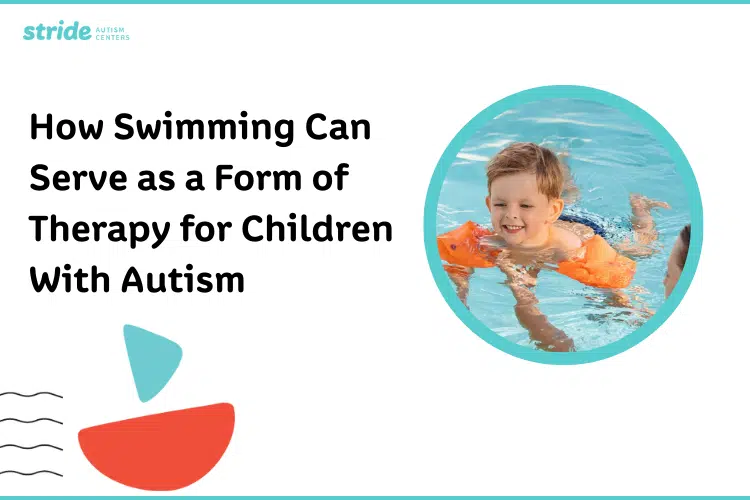
Supportive therapies help children thrive in all aspects of their development, including social, physical, emotional, and cognitive growth. Swimming is a powerful therapeutic tool that can help your kiddo learn and gain confidence while having fun.
Children with autism often benefit from swimming because it offers calm, sensory input and opportunities to practice various skills. Combining autism swimming classes with applied behavioral analysis (ABA) therapy can be a fantastic way to support learning and development.
Why the Water Is a Uniquely Supportive Environment
Water is a supportive environment for children with autism because it offers the following benefits:
Buoyancy for a low-impact workout: Water supports your kiddo’s body weight, making it easier for them to move freely and build strength without straining their joints. This is especially beneficial if your child experiences motor planning challenges or low muscle tone.
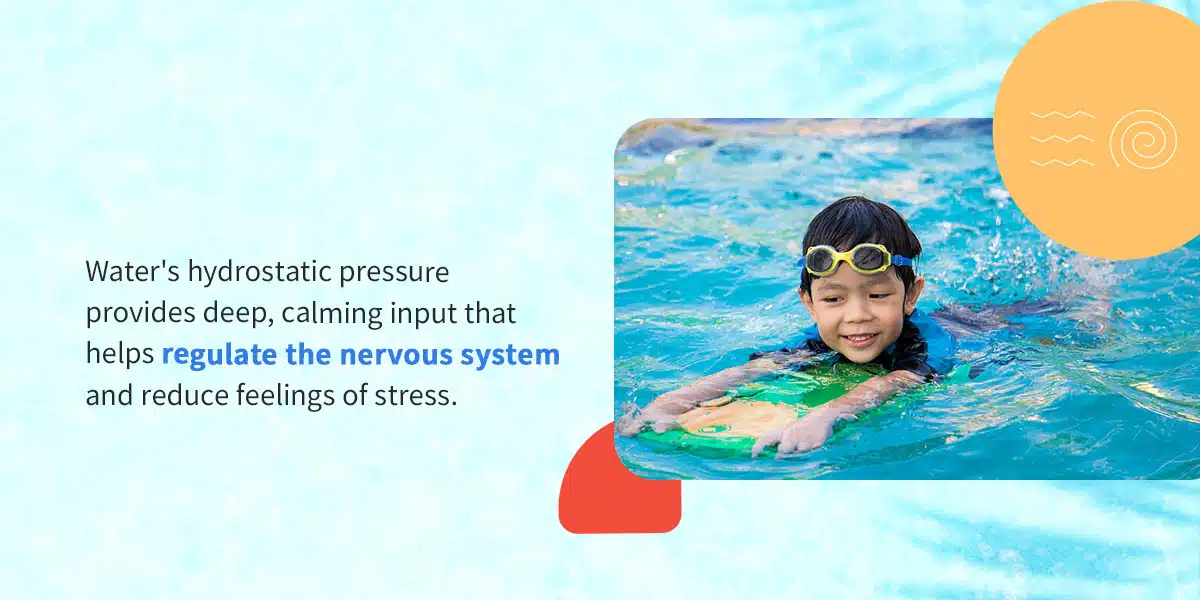
Natural hydrostatic pressure: Water places gentle, consistent pressure on the body, which can have a calming effect on the nervous system. They may find that it feels similar to a weighted blanket. Spending time in the water is an excellent way to support sensory regulation.
A focused, distraction-free setting: The pool environment naturally limits auditory and visual distractions, helping your child focus on their instructor and the tasks at hand.
The Physical Benefits of Swimming for Autism
Learning to swim offers many physical benefits for children with autism:
Improved Motor Skills and Coordination
Swimming incorporates the entire body. This helps improve gross motor skills such as kicking and pulling. It also lets your kiddo practice using both sides of the body together in a controlled manner.
Enhanced Strength and Endurance
Water’s natural resistance can help your child build muscle strength and cardiovascular health. As they have fun moving their arms and legs through the water, they work multiple muscle groups. The water’s hydrostatic pressure boosts circulation and increases heart rate, strengthening your little one’s heart and lungs.
Better Body Awareness
Swimming provides continuous feedback to the joints and muscles, helping your little one learn where their body parts are in relation to their surroundings and how much force to use when moving. This develops a stronger sense of their physical self in space. Water’s buoyancy reduces the effects of gravity, allowing them to move easily with less fear of falling.
Your kiddo can explore new movements and gradually strengthen:
Balance
Coordination
Motor planning skills
How Swimming Helps With Sensory Processing
Swimming can regulate or manage sensory processing in children with autism through the following benefits:
A calming sensory experience: Water’s hydrostatic pressure provides deep, calming input that helps regulate the nervous system and reduce feelings of stress. This is especially helpful if your kiddo is sensory-seeking or sensory-avoidant.
Management of sensory overload: Water provides consistent sensory input, which can help filter out more jarring sensations. A pool or body of water is a comfortable environment for children who often experience overwhelm.
Tolerance of new textures and temperatures: Swimming is a gentle way to adapt to different sensations and temperatures.
Swimming Helps Children With Autism Build Social and Communication Skills
When it comes to autism and swimming lessons, the following aspects can build social and communication skills:
Structured group learning: Swimming lessons provide a structured social setting. Your little one can practice following group instructions, waiting their turn, and interacting with peers in a supervised environment.
Natural opportunities for communication: Swimming instructors often use a combination of verbal cues, prompts, and songs that encourage children to listen and respond. This can strengthen receptive and expressive language skills.
Shared interests and peer interaction: Swimming provides a fun environment for children to connect with peers, build friendships, and develop a sense of belonging.
Practical Tips for a Successful Start
Use the following tips to introduce your little one to autism swimming lessons:
Choosing the Right Program
Choosing a supportive swimming program specifically designed for individuals with autism is essential for helping your little one thrive and build confidence. Ask if the program uses visual aids or schedules to help children adjust to the lessons. You can also ask about class sizes. Smaller groups may provide the most comfortable experience.
Introducing Your Child to the Pool
Start with short, fun visits without any pressure to swim. Let your kiddo explore the water at their own pace. They may want to sit on the steps, splash with their hands, or kick their feet. Bringing comfort items or fun sensory toys can create a sense of fun and familiarity, so they feel more comfortable in a new learning environment.
Addressing Water Safety
Learning water safety early in life can help your child avoid accidents, especially if they are drawn to water. Constant supervision is essential, but you can also help your little one learn safety with visual tools. For example, you might use picture cards or video modeling to teach rules such as only entering the pool with an adult.
Your family can also collaborate with the swim instructor to teach survival skills, like treading water, floating, and identifying exit points. Instructors with specialized training can tailor lessons and strategies to meet the needs of learners with autism.
How Swimming Complements ABA Therapy
ABA therapy helps little ones learn functional skills and build confidence. Swimming lessons complement ABA therapy in the following ways:
Opportunities to practice skills: ABA therapy teaches foundational skills, and swimming provides a new environment to practice them. For example, your child might learn how to follow multistep directions during ABA therapy and then strengthen that skill when a swim instructor asks them to kick their feet and blow bubbles.
Reinforced positivity: You can use swimming as a natural reinforcer within ABA therapy. The fun of the activity can motivate your kiddo to work on challenging tasks.
Improved focus for therapy sessions: The physical exertion and sensory regulation of swimming can strengthen focus and encourage engagement in ABA therapy.
Swim Therapy Opportunities Near ABA Therapy Centers
Stride Autism Centers® offers ABA therapy for children ages 2-6, and we are happy to collaborate with your little one’s swim therapist on goals and tracking progress. Explore the following swim therapy opportunities near Stride locations:
Sunsational Swim School:Sunsational Swim School offers swim lessons for children with autism in Chicago, Illinois.
SafeSplash Swim School: SafeSplash Swim School provides adaptive swim lessons in Waukee, Iowa.
Taking your kiddo to a movie theater is a fun way to make memories, but it’s always best to have a plan when approaching new situations and introducing a new environment. With the right preparation, you and your child can both have a fantastic time enjoying a new favorite on the big screen.
Preparing for Your Movie Adventure
When it comes to movie theaters and autism, your little one may need support as they navigate new sensory input and a change in routine. A theater’s sudden darkness, booming sound system, smell of popcorn, and presence of unfamiliar faces may feel overwhelming to them at first. With a bit of loving preparation and gentle guidance, you can help your kiddo feel secure in their new adventure.
Here are some helpful tips to know when taking a child with autism to the movies:
Talk About the Movies
Surprises can be overwhelming for some kids with autism. It’s best to talk about a movie theater before your fun day out. Start the conversation early so they know what to expect. You can discuss what a theater is and what it looks like, and watch movie trailers together to build excitement. You can also look up online photos and videos of movie theaters to help them better conceptualize the experience.
Discuss specific sensory experiences your little one may encounter. Explain that the lights will dim completely, leaving the room dark. Please let them know that the sound will be loud, especially during action scenes. Talk about the distinct smell of candy and popcorn, and how many people may be sitting close together. Explain that, while people are not supposed to talk or shine lights during a movie, it could still happen. Help them understand the best ways to respond in these scenarios.
Create a Social Story
A social story is a powerful tool. Create a simple, personalized book or a short video that walks your kiddo through the entire movie theater process. This teaches what to expect at each stage, including:
Packing snacks
Leaving the house
Walking into the theater
Buying tickets and snacks
Using the bathroom before the movie
Finding your seats
Watching the movie
Leaving the theater
Choose the Right Movie and Showtime
Choose a movie that will capture your child’s interest. Try to find one that seems similar to books, characters, or TV shows they enjoy. You can also show them multiple movie trailers and let them pick the one they like best. The more they like a film, the more likely they are to enjoy their time at the theater.
Try to go to the movies during off-peak hours, such as a weekday matinee, when the theater is likely to be less crowded. This allows for a more comfortable, less stimulating environment. You might also consider planning to arrive after most of the commercials and advertisements have finished.
Pick Your Seats
Many movie theaters offer reserved seating. Choose seats near an exit so you can leave quickly if your little one needs a break. An aisle seat also provides a little extra room to move. If you anticipate your child needing more extra space to fidget or adjust, try waiting to reserve your seats until the day of the movie so you can pick a spot that has an empty seat on at least one side.
Look for Inclusive Moviegoer Experiences
If you can, take your child to the movies at a theater that offers inclusive experiences for individuals with autism or sensory needs. These types of screenings vary across theaters, but may include lowered sound levels, fidget toys, and more space for movement. They may also eliminate pre-show advertisements to reduce sensory overload before the main feature begins. This supports a calmer, easier transition.
To find these special screenings, check your local movie theater chains or theater websites. Many larger cinema companies offer sensory-friendly showings on a regular basis, and they are often on weekend mornings. This provides a welcoming and understanding environment where your little one can talk, move, or make sounds without worry.
What to Bring for a Successful Trip
These items can help you and your kiddo enjoy a successful trip to the movies:
Sensory toolkit: Pack a bag with sensory essentials. Depending on your little one’s needs, this might include noise-canceling or -dampening headphones, sunglasses, or a favorite hat to block visual stimulation. A weighted lap pad and quiet fidget toys can provide a sensory outlet during the movie.
Comfort items: Take a favorite blanket or stuffed animal to the theater. These comfort items can create a sense of security in an unfamiliar environment.
Familiar snacks: Bringing your child’s favorite snacks from home can provide a sense of comfort and routine.
On the Day of the Movie
The following tips can help you and your little one have a calm, fun time together on the day of the movie:
Arrive Early, But Not Too Early
Get to the theater with enough time to get settled without feeling rushed. However, you should also try to avoid arriving too early. Give yourselves enough time to use the restroom and find your seats, but not so much time that you have to wait in the lobby for an extended time.
Know When to Push and When to Pivot
You know your little one best. Provide comfort and encouragement through moments of anxiety, and be prepared to leave if the experience becomes too overwhelming. It’s OK if the first visit doesn’t go as planned.
Celebrate the Small Victories
Acknowledge you and your little one’s success. Even making it through the trailers or the first 20 minutes of a movie is reason to celebrate. Every stride forward is a win.
Play-based therapy for exploration in a safe, comfortable environment
Individualized attention for a personalized pace and approach
Guided group activities to strengthen and practice learning
Stride Autism Centers® offers compassionate ABA therapy. From kindergarten readiness to family activities, our therapists can help your child learn to cope and thrive in various situations.
Help Your Kiddo Grow, Learn, and Shine With Stride
Taking a child with autism to the movies could become a fun family tradition if you allow yourself patience, grace, and time to plan. By choosing an ideal showtime, packing comfort items, and letting your kiddo know what to expect before arrival, you can both have a memorable day out.
Stride Autism Centers®’ ABA therapy program helps children with autism develop and strengthen important cognitive, social, emotional, and physical skills. We take the time to get to know your child and individualize therapy around the specific goals that will benefit them the most. Call us at (515) 207-5251 or contact us online to learn more about how this therapeutic modality can help your family embrace new experiences.
Venturing out into the community as a family can help autistic children engage and learn through new experiences. Taking the extra step to research some sensory-friendly activities that the whole family can enjoy will mean a lot to your child, allowing them to have fun in a safe environment. Here are some autism-inclusive activities in Des Moines for children of all ages.
Why Inclusive Activities Matter for Your Family
Inclusion is about providing support and services that enable everyone to participate in the same activities. Attending inclusive activities as a family can foster social development, increase self-esteem, and strengthen family bonds for a child with autism. These opportunities for shared experiences can ensure that your child feels a sense of belonging while reducing stigma and isolation.
Top Sensory-Friendly Activities in Des Moines
We’ve compiled some of the top family-friendly things to do in Des Moines for children with autism. Browse them below.
Blank Park Zoo
Zoos provide an excellent environment for children with autism. In general, zoos have a predictable structure, which can be reassuring for both children and parents. Additionally, the visual nature of animals can be very engaging and less overwhelming than other public spaces.
Blank Park Zoo in Des Moines emphasizes conservation, education, and recreation. While here, children can learn about various species, fostering their curiosity and a connection to nature in a safe environment. You can visit several endangered species that Blank Park Zoo has helped conserve, from the large eastern black rhinoceros to the tiny poison dart frog.
Des Moines Children’s Museum
Children’s museums offer a world of hands-on, interactive exhibits for children of all ages. These spaces provide self-directed play, where children can explore at their own pace and focus on their primary interests. Many exhibits are designed to engage multiple senses through touch, sight, and sound for safe and enjoyable stimulation.
The Des Moines Children’s Museum is the perfect example of learning through the power of play. They maintain a safe and family-friendly environment, including complete wheelchair accessibility.
Jester Park Sensory Trail
The Jester Park Sensory Trail in Des Moines is open to the public at no cost. This trail is designed to engage all the senses in a natural and calming outdoor environment. You and your child will have the opportunity to hear, touch, see, and explore nature with various interactive stations along the walk. The trail is 310 feet long with concrete, brick, and crushed limestone surfaces and a max slope of 5%.
Local Libraries and Theaters
Libraries offer a calm environment, many with dedicated areas for children to learn and relax without overstimulation. The Des Moines Public Library has an excellent children’s program, featuring events for all ages throughout the week and on Saturdays. From scavenger hunts to crafts, there is always some activity for your child to enjoy.
Similarly, local theaters provide live storytelling opportunities to engage your child. The Des Moines Playhouse offers sensory-friendly performances for select shows, modifying lighting and sound to enhance accessibility. Additional support is provided to make the theater a more comfortable environment for audience members who may find traditional theater overstimulating.
Get Air Trampoline Park
The Get Air Trampoline Park in Des Moines is designed with wall-to-wall trampolines, dodgeball courts, and foam pits to entertain children of all ages. Trampoline parks can provide a safe and controlled environment for your child with autism to release pent-up energy. It’s also a great outlet for developing gross motor skills and engaging in joyful play without the pressure of complex social interactions.
Some Tips for Enjoying Outings With Your Child
With understanding and the right preparation, your child can gain confidence in a variety of social settings. Here are some tips to help your kiddo enjoy their outing:
Set clear boundaries with your child in a new environment, helping them understand the area they are allowed to explore safely.
Walk your child through the event or activity before leaving home, so they know what to expect.
Allow your child to take a favorite toy whenever possible.
Praise and reward your child with frequent positive feedback for appropriate behavior.
Help Your Child Thrive With Stride Autism Centers®
Stride Autism Centers® understands the unique challenges families can experience with their children with autism. We have two centers in Des Moines, Iowa, that offer personalized, center-based applied behavior analysis (ABA) therapy that helps children aged 2 to 6 learn skills for independence and confidence.
With our family-centered approach, you can be involved throughout the entire process. Contact our team today to get started.
From beautiful parks and colorful playgrounds to fascinating museums and other indoor activities, Cedar Rapids, Iowa, is an excellent place for families. But what if your little one has autism spectrum disorder?
Thankfully, Cedar Rapids is becoming an autism-inclusive community, offering plenty of sensory-friendly activities that everyone in your family will enjoy.
What Makes an Activity Autism Inclusive?
As a parent of a young child with autism, you want to see your kiddo learn, laugh, and thrive, especially when spending quality time together outside the home. The number of autism-inclusive activities in Cedar Rapids is increasing as many family-focused locations open their minds and hearts to inclusion, ensuring these spaces appeal to everyone.
Here are some key features to look for:
Accommodates sensory sensitivities: From sensory-friendly hours to special events, many places provide opportunities that minimize stimuli, such as crowds, lights, and sounds, to create a more welcoming environment.
Provides clear and predictable structures: In a world that can feel chaotic or overwhelming, some inclusive activities offer visual schedules, social stories, and clear signage to help kids with autism understand expectations and routines.
Allows for flexible participation: Inclusive activities give children the freedom to participate at their own pace, take breaks when needed, or move around to support focus and self-regulation without judgment.
Offers access to sensory tools: Some venues provide sensory tools to help kids manage overstimulation and regulate their sensory input, such as noise-canceling headphones or fidget toys. Others offer quiet spaces where children can self-soothe and remain comfortable during activities.
Incorporates your child’s special interests: The best experiences feature themes, activities, or materials that reflect your child’s unique passions, making participation more meaningful and enjoyable.
The Autism Society of Iowa offers comprehensive listings of autism-inclusive activities and events throughout Eastern Iowa.
6 Fun Autism-Inclusive Activities Near Cedar Rapids
Here are our top six sensory-friendly activities in Cedar Rapids, promising fun and a sense of belonging for your whole family.
1. The Iowa Children’s Museum
The Iowa Children’s Museum is a space that celebrates curiosity, play, and childlike wonder. From swashbuckling adventures at Coral Cove to musical exploration in the City Music room, each space is designed to elicit joy and encourage imagination. The museum is Sensory Inclusive™ certified through KultureCity, ensuring a warm and accessible experience for children with autism.
Thoughtful accommodations include:
Compassionate staff and PLAYologists trained to identify and support guests with sensory needs
Sensory bags with items to help lessen sensory overload
Clear signage highlighting louder Headphone Zones and peaceful Quiet Zones
The Family Sanctuary, a private space with soothing lights and cozy seating
2. We Rock the Spectrum — Cedar Rapids
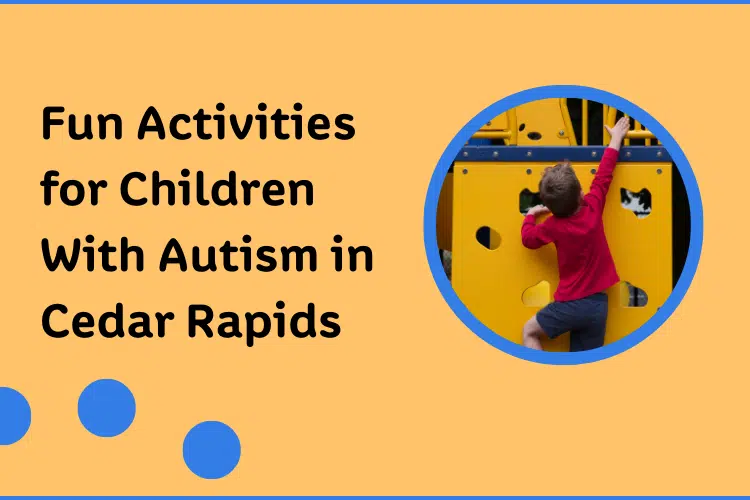
Experience a low-stress environment where your child can play, socialize, and, most importantly, have fun. We Rock the Spectrum is a vibrant yet sensory-friendly play space featuring large trampolines, rock climbing walls, zip lines, and more. The gym encourages children to explore at their own pace and developmental level.
Enjoy a judgment-free zone, featuring sensory-safe elements like a calming room where little ones can take a breath and decompress. The staff is always there to help you feel at ease as you connect with families with similar stories to your own.
3. Noelridge Park
Playgrounds are designed to accommodate children of all abilities, allowing them to play, explore, and learn side by side. While Cedar Rapids natives enjoy visiting Noelridge Park for its diverse gardens, beautiful ponds, and scenic walking trails, this location also features an inclusive playground.
Your kiddo can enjoy the fresh air as they share the saucer swing with a friend or zoom around on the merry-go-all. The playground’s inclusive design helps break down barriers while promoting a sense of belonging with other kids.
4. Cedar Rapids Public Library Sensory Storytime
Cedar Rapids Public Library’s Sensory Storytime program is a welcoming, interactive event designed for children with autism and sensory needs. Each session features engaging stories, songs, and hands-on activities — all presented in a calm, sensory-friendly setting where children can participate comfortably and at their own pace.
The library is sensory-inclusive certified and provides resources such as sensory bags, oral cue cards, and weighted lap pads to help kids feel secure and focused. Designated quiet rooms offer a peaceful retreat for children who need a break.
5. Indian Creek Nature Center
Indian Creek Nature Center is a local home for outdoor sensory exploration. This calming environment features over seven miles of accessible trails, where your child can explore the great outdoors.
You can participate in a variety of educational programs and nature-inspired events, allowing your kiddo to engage hands-on with wildlife, plants, and science activities. These experiences foster curiosity, alleviate stress, and encourage sensory exploration in gentle, open environments.
6. Sensory Friendly Planetarium Shows at the Grout Museum
Awaken your child’s love of stars, planets, and the universe with a sensory-friendly stargazing experience. The Grout Museum District’s state-of-the-art Norris Corson Family Planetarium offers a 30-minute show on the first Saturday of each month, carefully adapted to meet the needs of children with autism and sensory sensitivities.
During the presentation, the planetarium lights remain softly dimmed, and music and sound effects are muted to create a calming atmosphere. The door stays open throughout the show, giving guests the freedom to move around, take breaks, or quietly explore the room as needed. This warm, flexible environment ensures that everyone can enjoy the wonders of the night sky in comfort.
Discover More Resources and Guidance at Stride Autism Centers®
Stride Autism Centers® is all about community connections and providing personalized care to young children with autism, ages 2-6 years old. Whether you’re new to the area or ready to learn about the benefits of applied behavior analysis (ABA) therapy, we can help.
Our compassionate team in Cedar Rapids looks forward to helping you discover more joyful, inclusive experiences in this fantastic city. Call us today at (319) 469-8246.
As a parent, you would love to give the perfect gift that lights up your kiddo’s face. Finding holiday gifts for children with autism involves considering their specific needs for predictability, routine, and sensory comfort, rather than traditional, overwhelming holiday experiences.
This quick guide for busy parents has been expertly curated to make holiday shopping joyful and stress-free.
Gifts for Calm and Comfort During the Holidays
The holiday season can be overwhelming for children with autism. Common stressors include changes to routines, large crowds, new foods, and the unpredictability of social gatherings. The rhyming picture book, “Too Much! An Overwhelming Day,” is a perfect starting point for your little one’s festive season: “When feelings go on overload, I pause and breathe, and all is… slowed.”
Weighted Items for Security
Weighted items provide deep pressure, mimicking a hug and calming the nervous system for children with autism spectrum disorder. This deep touch regulates stress, promotes relaxation, reduces anxiety, and improves focus. The pressure helps children feel secure.
For a fun, gift-worthy take on the usual items, weighted stuffed animals make particularly comforting Christmas gifts for kids with autism. If you can’t make up your mind between Pookie the Panda and Sunnie the Sloth, consider ordering a family pack so your kiddo always has one nearby.
Keep safety and supervision in mind when using weighted items, and consult with your child’s clinic team for specific weight guidance.
Personal Sensory Retreats
Even adults need a quiet place where they can retreat from all the noise and bustle of the festive season. It is especially important for children with autism to have a calm space at this busy time to avoid sensory overload from the increased activity and stimulation. A solitary designated area becomes a safe haven for them to decompress, recharge, and feel strong, even when things feel overwhelming.
A sensory tent of their own is one of the best holiday gifts for children with autism — a space where they can feel a sense of control over their environment. Most are easy to set up and may come with comfort-enhancing features like mesh storage and straps for fidget toys or escape holes so your child never feels trapped. Some even have a single-button light, allowing your kiddo to feel in control of the space.
Presents That Build Skills Through Play
There is a wide selection of toys that are so much fun, your kiddo won’t even realize they’re developing crucial skills. Use your child’s interests to structure activities and combine different types of play, like sensory, pretend, and cause-and-effect games. This helps develop foundational, cognitive, social, and motor skills by providing a safe and engaging environment to practice new abilities at their own pace.
Fine Motor Skill Toys
Fine motor toys can improve hand-eye coordination, finger strength, and dexterity through engaging, hands-on activities. They also support cognitive skills like problem-solving and spatial awareness, and can build confidence and independence by breaking down complex tasks into manageable, fun steps.
Two exciting examples are magnetic building blocks and threading boards. Kids love magnetic blocks because they provide a fun, open-ended way to be creative, explore, and build things.
For kids 3 and up, threading boards help strengthen grip, improve coordination and motor planning, and build concentration and self-regulation. Lacing and threading toys are a beautiful addition to any selection of holiday gifts for children with autism.
Oral, Motor, and Chewable Tools
Oral, motor, and chewable toys can encourage sensory regulation by providing calming oral input and strengthening the oral motor skills needed for speech and eating. These toys also have the potential to build concentration skills.
A discreet chewable necklace and textured fidget pencil toppers or grips are popular examples of sensory-friendly gifts for children.
If you’re looking for additional options, explore seven of the best chewie toys for children with autism.
Gifts to Encourage Social Connection
Family gatherings offer opportunities for connection and celebration, but your kiddo may find these events challenging. Thoughtful planning and understanding make gatherings enjoyable and inclusive for all. There are toys that can help.
Cooperative Board Games
Cooperative board games offer a structured environment to practice social skills like communication, turn-taking, and emotional regulation in a low-pressure setting. Encouraging teamwork toward a shared goal can reduce the anxiety of competition and help children develop cognitive abilities like problem-solving and decision-making without the fear of losing individually.
One of the best gifts for a child with autism that encourages bonding and communication is “Do You Know Your Peeps?” and the “Social Skills” collection of six board games.
Role-Playing and Imagination Sets
Role-playing helps preschoolers with autism by providing a safe and structured way to practice crucial social and communication skills. This includes interpreting social cues, engaging in conversations, and navigating social situations. It also helps them develop flexibility in thinking and behavior, build confidence, and improve their language development as they practice social scripts through play.
Play sets are a fun way to get into role-playing. Scenarios can include preparing a meal in a make-believe kitchen or visiting a veterinarian’s office. This is also a great way to prepare your little one for visits to the doctor, the grocery store, or their first hiking trip.
How to Choose a Gift Your Kiddo Will Love
Use this quick and easy checklist to help you choose the perfect gifts for your child this festive season:
Observe their current passions and the toys or objects that hold their attention.
Select gifts that build on the child’s strengths and think about a “just-right” challenge — a toy that encourages growth without causing frustration.
Consider whether they are sensory-seeking or sensory-avoiding.
Pick sensory-friendly items, like soft, tag-free clothing or calming textures.
Avoid gifts with loud noises, flashing lights, or overstimulating features.
Check for potential safety risks, like choking hazards.
Don’t be afraid to ask for a list or ideas from your kiddo or their therapists.
Give the Lasting Gift of Confidence and Growth
While your kiddo’s enthusiasm for their favorite toy may dim over time, developmental support is a gift that will last them a lifetime.
ABA therapy is the evidence-based approach that incorporates structured play to build foundational skills. This can lead to improvements in cognitive abilities, social skills, and communication. Starting early, especially between ages 2 and 6, is crucial because the brain is highly adaptable. ABA therapy works by breaking down complex behaviors into smaller steps and using positive reinforcement to help your little one learn new skills that will help them thrive.
Stride Autism Centers® in Illinois, Iowa, and Nebraska offer ABA therapy for children aged 2 through 6 and their families. Contact our dedicated team by calling 515-207-5251 today to learn more about how our programs can be tailored to your child’s unique needs.
Finding fun activities for children with autism can feel easier when you know which venues offer sensory supports, quieter times, and flexible experiences. We’ve put together all the information you need for inclusive activities in Omaha.
Our aim is to help your family discover new favorites at your kiddo’s pace. You’ll also find local resources and gentle next steps if you’re exploring additional support.
Henry Doorly Zoo & Aquarium
Autism Action Partnership (AAP) — an organization dedicated to providing support for children and adults on the Autism Spectrum in Nebraska — hosts monthly Making Memories events at various locations throughout Omaha.
Henry Doorly Zoo & Aquarium is one recurring destination. During the Making Memories event, families in the autism community can visit the zoo after hours for a more sensory-inclusive experience. While some animals will be asleep, several exhibits remain open for exploration. Concessions and the gift shop are also available.
Be sure to follow AAP on social media to be the first to see when new Making Memories dates are posted. They share upcoming events on their website’s calendar and social media accounts on the first Friday of the month.
Omaha Children’s Museum
The Omaha Children’s Museum encourages hands‑on, child‑led play, which is a treat for sensory seekers. Your kiddo can expect from their trip to the museum:
Service animals are welcome, and one-on-one aides and therapists get in for free.
Sensory bags, including headphones, gloves, sunglasses, and other goodies, are available at the front desk.
School weekday afternoons are generally calmer than weekends and holidays.
Quiet spots include the Family Discovery Room, Curiosity Corner, and the Wiggle Room for kids 3 years or younger.
We Rock the Spectrum Kid’s Gym
We Rock the Spectrum is a win for the whole family. One of the top destinations for autism-inclusive activities in Omaha, the controlled environment helps reduce surprises and empowers kids to engage at their own pace. OT-inspired swings, climbing structures, crash mats, and other proprioceptive tools give them safe, satisfying ways to move their bodies. By creating fun spaces where children of all ability levels can play together, kids learn quickly and are inspired to thrive by their peers.
Sensory-wise, lighting and sound are steady and predictable. There’s always space to step away for a breather if your kiddo needs a reset. Parents and caregivers, you’re supported here, too. Ask about We Rock Care for added flexibility and respite-style options when you need a little backup.
With a bit of prep, you’ll find We Rock the Spectrum quickly becomes your easy, go-to “yes” for playtime.
ALLPLAY Complex
Got a little one dreaming of the big leagues? This sensory-smart space lets future sluggers practice big swings, build balance and confidence, and learn from teammates of all abilities without the overwhelm. If they aren’t yet ready to try out the ALLPLAY Miracle Baseball League, the complex is open to the public and free to use during park hours, from 5 a.m. to 11 p.m.
Located in Seymour Smith Park, ALLPLAY Complex is one of the finest barrier‑free sports and recreation facilities in the nation. It’s designed so children with diverse abilities can participate side by side. Its inclusive design and programming make movement, friendship, and sensory exploration accessible and truly memorable.
Here you’ll find some of the most popular sensory-friendly activities in Omaha. The first is the playground — the largest in the city, featuring 21 unique active and 11 passive elements. The playground’s surface is 5-inch-thick rubber for extra peace of mind. Next is the water park, which has no curbs or steps for easy movement. The water park’s continual fresh water flow can be experienced in different forms depending on your little one’s preferences — from spray, shoot, and sprinkle to a gentle mist.
Lauritzen Gardens
For many children with Autism Spectrum Disorder (ASD), nature generously offers fresh air, soft textures, gentle sounds, and wide-open choices that let them explore on their own terms.
Sensory integration can be tricky, with some kids seeking input while others avoid it. A garden is a series of adjustable, opt‑in experiences across all the senses, from the crunch of gravel underfoot and the scent of lavender to bright tulips to spot and cool water to touch. This kind of environment can support movement, self‑regulation, and simple social moments while encouraging overall calm and confidence.
Lauritzen Gardens offers a peaceful, low‑stimulation setting where families can stroll through garden “rooms” and repeat familiar routes. The wide paths and natural rhythm of the space support calm exploration.
Fontenelle Forest Nature Center
Fontenelle Forest is another great option for parents seeking nature-based, sensory-friendly activities in Omaha. Just 15 minutes from downtown, the 17 miles of trails are designed for people of all ages and abilities. Fontenelle combines gentle trails with indoor and outdoor play spaces, giving you options regardless of the weather.
The Fontenelle Forest MudPies program runs Tuesdays and Thursdays from 9:30 to 11:00 a.m. MudPies is a guided, play-based class for ages 3 to 5 and their grown‑ups. It’s a simple, joyful way to connect with your child while discovering the natural world together.
Each week spotlights a fresh nature or science theme and combines make‑and‑take crafts with outdoor exploration, songs, stories, and short, staff‑led walks. Every session includes a new activity or craft, a cozy read‑aloud, and a guided walk so you can keep coming back to share the wonder of nature with your little explorer.
A social story is available on each show’s page, to prepare your child for this experience.
Sensory‑friendly performances for neurodiverse audiences, with adjusted lighting and sound and a relaxed environment.
Kiddos can enjoy the show in the noise-proof Restless Room that has a live video feed of the mainstage production.
Automatic hand dryers are deactivated during sensory-friendly performances.
Staff are welcoming and supportive of flexible seating and exits, and offer a private post-show question and answer session for your little one.
Mahoney State Park
Between Omaha and Lincoln, Mahoney State Park offers outdoor and indoor options you can scale to your child’s needs. Build a mix of active and calm moments across trails, biking paths, the aquatic center, and an indoor playground.
The environment offers a variety of sensory-friendly activities that allow you to choose short loops and repeat preferred routes for familiarity and confidence. The aquatic center can provide soothing, deep‑pressure input, but visit during slower hours for a calmer feel.
Alternate active play with scheduled breaks in shade or a quiet picnic spot, and pack:
This way, your kiddo will always feel comforted as they experience and explore.
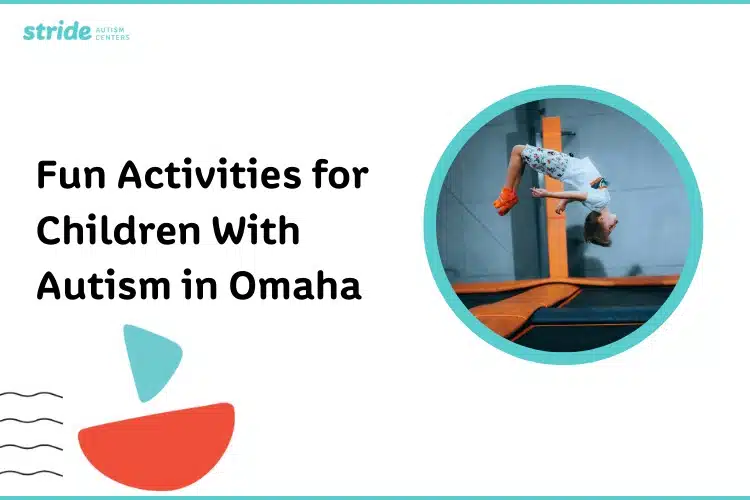
Sky Zone Trampoline Park
Sky Zone often hosts sensory‑friendly hours at participating locations, offering dimmed lighting, reduced noise, and smaller crowds. Call the Omaha park to confirm current availability and specifics.
Sky Zone’s Toddler Zone makes it easy to entertain toddlers while keeping big kids happy. This fenced-off area is reserved just for little jumpers, so your tiny explorer can bounce, toddle, and giggle without older kids zipping by. Hands-on movement supports balance, coordination, confidence, and lets them burn off that endless energy.
Help Your Child Thrive at Stride Autism Centers®
Stride Autism Centers® provides compassionate, center‑based ABA therapy for children ages 2 through 6, helping strengthen communication, play, and daily living skills while preparing for kindergarten. For parents looking for ABA therapy in Omaha, our program offers personalized support for young learners, and parent training and support.
Call our caring team at (515) 207-5251 or get started online to learn how we can support your child’s development of foundational skills so they can lead the most independent, joyous life possible.
Thanksgiving is a time to build lasting memories and traditions. Involving kids in the cooking and preparations adds extra meaning to these moments. Children also learn practical skills and grow in confidence when they play a part in making the holiday special.
For parents of young children with autism, the idea of including your child in cooking traditions can bring both hope and uncertainty. You may wonder how to balance your child’s sensory needs, communication style, and comfort level with your desire to create a joyful, shared experience.
It’s natural to feel both excited and a bit nervous about creating an inclusive holiday. Here are some tips to help you turn Thanksgiving meal prep into a fun and meaningful experience for your little one.
Planning Ahead for Turkey Day
To help your child with autism feel included in Thanksgiving cooking, start by planning. Children with autism often need extra time to adjust to changes in their routine. Letting them know about upcoming activities in advance can help them feel more comfortable. Planning also gives you time to prepare any accommodations your child might need.
A visual schedule is a great way to get your child ready and enthusiastic about helping out in the kitchen. Use pictures or a simple list to show your kiddo the day’s plan and what they’ll do to assist you. This creates a predictable routine and helps manage expectations about what they will and won’t be handling.
You can also involve your child in choosing what foods to make. Many autistic children have sensory sensitivities, so trying new foods at Thanksgiving may feel overwhelming. Allowing your child to help choose a few menu items gives them a sense of control and creates positive memories around the holiday.
Sensory-Friendly Cooking Activities for Young Autistic Kids
Young kids love helping out with the Thanksgiving meal. The trick is to give your child with autism meaningful tasks that are simple, age-appropriate, and fun. Think of cooking activities that don’t require too much precision, such as:
Sorting or mixing ingredients
Rolling out dough
Washing vegetables
Decorating cookies
Putting rolls in the bowl
You may even want to plan to incorporate sensory play. Your kiddo may love using pumpkin puree for playdough or creating art with a pre-carved potato stamp.
Tips for Managing Holiday Stress and Expectations
Even adults can feel stressed when Thanksgiving doesn’t go as planned. For autistic kids, changes in routine and all the extra sights, sounds, and smells of the holiday can be especially overwhelming. So, be prepared to adapt your Thanksgiving cooking activities to your child’s unique needs. Some thoughtful strategies could include:
Offering a safe space: Designate a quiet area where your child can retreat if they feel overwhelmed, complete with calming items like headphones or familiar toys.
Addressing sensory concerns: Be mindful of loud noises or strong smells from appliances or ingredients.
Providing familiar favorites: Make sure familiar foods are available, or bring comfort foods from home to supplement the Thanksgiving menu.
Flexibility: Don’t stress over perfection. Instead, be willing to adapt the plan and have backup options to ensure your child feels comfortable and at ease.
Make Every Holiday Moment Count With Stride Autism Centers®
Find support to make this holiday season joyful and inclusive. At Stride Autism Centers®, we understand the unique challenges families with young autistic children face. Our centers in Illinois, Iowa, and Nebraska offer personalized, center-based ABA therapy that helps children aged 2 through 6 gain independence and confidence with hands-on strategies tailored to their needs.
With a family-centered approach and a commitment to early intervention, we empower kids and parents alike to create meaningful, inclusive traditions — at Thanksgiving and throughout the year.
Thanksgiving is a time for joy and togetherness — but it’s not without its challenges for children with autism spectrum disorder (ASD). The holiday replaces your child’s predictable, everyday life with an unfamiliar and highly stimulating environment, which can be stressful and overwhelming.
Sensory activities like arts and crafts can help your child during this busy season by offering a structured, calming way to express themselves and process all the excitement safely and comfortably.
3 Sensory-Friendly Thanksgiving Crafts for the Whole Family
Crafts provide a meaningful way to learn about Thanksgiving themes and traditions. These hands-on activities also support multiple ABA therapy goals, such as fine motor skill development, through activities like cutting, drawing, and gluing. Creative projects also support emotional growth, as crafts give your child a tangible result for their efforts.
As the season of gratitude approaches, here are three fun, autism-inclusive Thanksgiving crafts designed to meet the unique needs of young children.
1. Turkey Handprint
This timeless craft allows children to create adorable turkeys that can decorate your home this holiday season. You will need a few supplies, including:
Washable paint in fun fall colors, like brown, orange, yellow, and red
Construction paper
Baby wipes for easy cleanup
Turkey decorations, including googly eyes and feathers
Have your child paint the fingers and palm of one hand in their favorite autumn colors. Or, help them dip their hand in paint. Then press their entire hand onto the paper and wipe off the paint. Let your child add decorations to transform their handprint into a cheery Thanksgiving turkey.
2. Coffee Filter Turkey
This simple holiday project allows kids to transform a simple coffee filter into a work of art. You will need a standard coffee filter, markers in fall colors, and a wooden clothespin. Let your kiddo color the filter with markers. Then spray it with water to create a unique tie-dye effect reminiscent of turkey feathers.
As the filter dries, draw a fun turkey face onto your clothespin, including eyes and a triangular beak. Then fold your dry coffee filter in half, fluff the feathers, and insert the filter into the top of the clothespin.
3. Gratitude Tree
This activity helps your child learn about the true meaning of Thanksgiving — showing gratitude for the good things in life. For children with autism, a Gratitude Tree can make it easier to express feelings of thankfulness, even if they have trouble sharing these emotions in other ways.
You will need:
Small branch
Leaves cut from construction paper
Markers
A pot or vase to hold the branch
Uncooked rice or soil — optional
Choose a branch to serve as your child’s tree. Encourage your kiddo to write or draw things they are thankful for on each leaf — loving parents, a happy home, their favorite toys. Then attach the leaves to the branch and place them in the pot or vase, creating a Gratitude Tree. If your tree needs help staying upright, you can add soil or rice to support it.
Sensory-Friendly Considerations for Thanksgiving Crafts
Every child is unique, especially when it comes to sensory preferences and communication styles. Here are some ways to make Thanksgiving crafts enjoyable and accessible for all children, including those with autism:
Choices: Offer choices for materials and tools. For example, if your child doesn’t like sticky glue, try using stickers or double-sided tape instead.
Participation level: Let your child decide how much or how little they want to participate.
Simple steps: Breaking down each craft into small steps helps kids who may get overwhelmed by too many instructions at once.
Picture instructions: Provide visual instructions or finished crafts to model each step so they can feel more confident as they work.
Communication tools: Many autistic kids use AAC (Augmentative and Alternative Communication) devices or PECS (Picture Exchange Communication System) to express themselves. Keep these tools nearby to help your child make choices, ask for help, or share how they feel about the activity.
Partner With Stride for Inclusive Holiday Fun
Celebrate the holidays with confidence and support. Reach out to Stride Autism Centers® today and learn how we partner with families like yours throughout the Midwest.
Finding the right support for your child with autism can feel overwhelming, especially as Nebraska’s Medicaid rules for ABA therapy continue to change. If you’re worried about how these updates might affect your family’s access to care, we are here to help.
We’ve broken down the latest changes to Medicaid and ABA therapy in Nebraska, what this means for your child’s therapy, and how you can continue to access the support your kiddo deserves. We’ll also suggest alternative funding options and show you how Stride Autism Centers® can help your family thrive.
Understanding the New Nebraska Medicaid and ABA Therapy Rules
Recent changes to Nebraska’s Medicaid program have reshaped how families can access and afford Applied Behavior Analysis (ABA) therapy for children with autism. These updates were designed to bring Nebraska’s reimbursement rates in line with neighboring states, but they also mean families and providers are facing new challenges. Understanding these changes is the first step in making informed decisions about your child’s care.
Here’s a snapshot of what parents need to know when navigating Medicaid and ABA in Nebraska:
Reimbursement for direct therapy by behavior technicians is cut by 48%, the parent training payment drops by 51%, and care plan and protocol adjustments by Board-Certified Behavior Analysts (BCBAs) are reduced by 37%. Additionally, payments for treatment assessment development are reduced by 28%.
Cuts to the Nebraska Medicaid rates for ABA services have affected certain providers, making it harder for some clinics to operate at their previous capacity.
Funding reductions may affect the amount of support you receive for your child’s therapy. Lawmakers and advocacy groups are actively reviewing the impact of these changes on families and providers.
How These Changes Impact Services and Financial Support
The new Medicaid rules have immediate and noticeable effects on the availability and quality of ABA therapy in Nebraska. Families may need to adjust their expectations and explore new ways to secure the support their children need.
The impact will likely be felt in the following ways:
Reduced therapy hours: Some children may receive fewer hours of therapy each week due to funding constraints.
Longer waitlists: With fewer resources, providers may have to limit new enrollments, leading to longer wait times for services.
Loss of services: In some cases, families may lose access to their preferred provider or have to travel farther for care.
Importance of ABA Therapy
Consistent, high-quality ABA therapy is a cornerstone of early intervention for children with autism. Even as funding and access change, the benefits of ABA remain clear and essential for your child’s growth and development.
Stronger Social and Communication Skills
ABA therapy helps children with autism build stronger social and communication skills by teaching them how to express their needs, understand social cues, and interact effectively with peers and adults. Through structured social skills training, your kiddo can learn to navigate conversations, share, take turns, and respond appropriately in different situations.
This support reduces feelings of isolation by helping children form meaningful connections and relationships and sets the stage for greater confidence and participation in everyday life.
Enhanced Emotional Regulation Skills
Kids learn valuable strategies for managing frustration, anxiety, and other strong emotions. By learning how to regulate their feelings, children with autism may experience fewer meltdowns and be better able to participate in daily activities at home, school, and in the community. This improved emotional regulation helps them feel more confident and comfortable as they navigate new situations and challenges.
Increased Independence
ABA therapy helps kiddos build important self-care, daily living, and problem-solving skills that empower them to become more independent. As they master these abilities, they gain confidence and autonomy. This makes it easier to participate in routines and challenges at home, in school, and within their community. Increased independence supports overall growth to help your child thrive in everyday life.
Enhanced School Readiness
Early ABA intervention helps prepare your child for the routines and expectations of kindergarten and beyond. Through therapy, they will learn important skills through joyful experiences. This includes following instructions, taking turns, and staying on task — all foundational abilities that make it easier for your little one to adjust to classroom environments and thrive in their early school years.
Family Empowerment
A mission-driven ABA program committed to achieving meaningful outcomes empowers your family with training support so you can reinforce positive behaviors at home. This easy, stress-free guidance makes you, as the parents or caregivers, active partners in your child’s progress for a more consistent and supportive environment. As a result, children with autism achieve developmental gains and numerous victories that bring you both joy.
A Customized Approach Tailored to Your Child’s Needs
ABA therapy is a customized approach based on your child’s unique strengths and focal areas. Each program is individualized, which allows therapy to fit the specific areas where your child needs the most support. Through ongoing assessment and regular adjustments, your child’s goals remain relevant and achievable, helping them make steady progress over time.
Alternative Financial Options for ABA Therapy
If the changes to Medicaid and ABA therapy in Nebraska have affected your family’s access to therapy, there are still ways to secure support. Exploring alternative funding options can help bridge the gap and keep your child’s progress on track.
Leverage Private Health Insurance
If you have private health insurance, explore whether your plan covers ABA for your child. Many insurance policies now include autism benefits, and understanding the details can help you make the most of your coverage. As you review your insurance policy to see if ABA therapy is covered, be sure to ask your insurer about pre-authorization requirements and the documentation needed for ABA coverage.
Find Grants and Nonprofit Support
You may be able to apply for financial assistance through national and local grants and nonprofit organizations dedicated to supporting children with autism. These resources can help cover the costs of therapy and related services. Consider the following options as you explore additional support:
Organizations to explore include Autism Care Today and United Healthcare Children’s Foundation. Application processes vary, so check each organization’s website for eligibility and deadlines.
Discuss Payment Plans With Providers
If insurance or grants don’t fully cover the cost of ABA therapy, your ABA center can open up flexible options that fit your budget. Some ABA centers offer flexible payment plans or sliding-scale fees for families paying out of pocket. Don’t hesitate to discuss your financial situation — many providers are happy to work with families to ensure continuity of care. Ask providers about their private pay rates, available discounts, and payment schedule options.
How Stride Autism Centers® Can Help
Stride Autism Centers® is committed to helping your family navigate Medicaid and ABA in Nebraska so you can continue accessing high-quality therapy. Children with autism who receive appropriate ABA therapy early in life often require fewer services as they get older, making it a cost-effective approach for insurance companies in the long run.
Our team is aware of the challenges you’re facing, and we’re here to support you by:
Helping you explore all available insurance options, including Medicaid, private insurance, and alternative funding sources.
Guiding you through the process of applying for grants or setting up payment plans.
Providing evidence-based ABA programs designed to meet your child’s unique needs, with a focus on social skills, independence, and school readiness.
Our goal is to empower your family and help your child thrive, no matter what changes come your way.
Discover How Stride Autism Centers® Can Help Your Child Thrive
No matter how the State of Nebraska Medicaid and ABA services rules change, your child’s potential remains limitless. Stride Autism Centers® is here to help you navigate every step of the journey — from understanding your funding options to providing compassionate, evidence-based ABA therapy.
There is no need to let uncertainty stand in the way of your child’s progress. Call our caring, experienced team at 515-207-5251 or connect with us online to see how we can help your family access the support you need so your kiddo thrives.
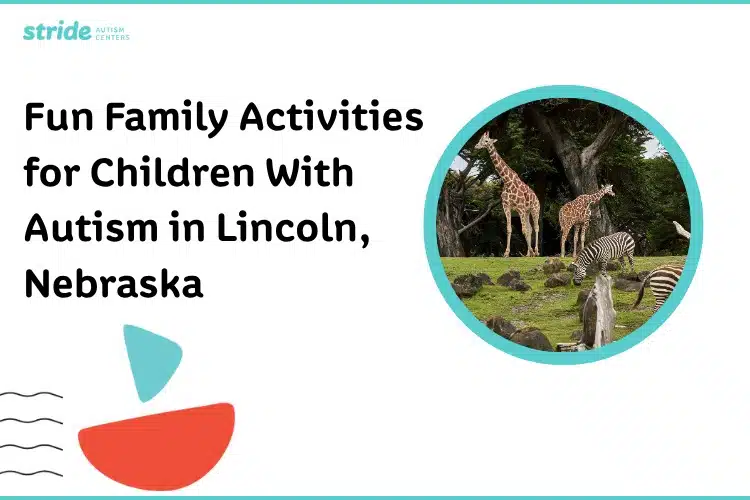
Families living in Lincoln, Nebraska, know that this warm and friendly community is a great place to raise your kids. But what if you have kiddos with autism? No matter where you go in the city, people here have fully embraced a heart of inclusivity — and many family-friendly venues reflect this commitment.
So, whether your child loves wildlife or wants to learn a new sport, let’s explore some autism-inclusive activities in Lincoln that the whole family can enjoy together.
5 Things to Do in Lincoln for Children With Autism
Sensory tools, special events, and accommodations can create a more comfortable, calming environment. Here are five of our favorite sensory-friendly activities in Lincoln, NE.
1. Lincoln Children’s Museum
Discover a place where the power of play is harnessed to unlock curiosity, creativity, and a love of learning. Lincoln Children’s Museum is a three-floor destination for imagination, filled with interactive exhibits that allow kids to explore what they love about our world.
The Lincoln Children’s Museum has partnered with KultureCity® to create a space where every child feels welcome. When you bring your child with autism, you’ll find an array of sensory-friendly resources to make the experience more comfortable and relaxed, including:
Social story: Download this graphic tool before your visit so that your kiddo knows what to expect during your visit.
Headphone zones: Designated signage indicates areas that may be too loud or overstimulating.
Quiet areas: These quiet spaces are the perfect place to take a break and regroup.
Weekly sensory hours: Every Wednesday and Thursday from 3:00 p.m. to 5:00 p.m., the museum creates a more soothing space for kids who may be overwhelmed by sensory input.
2. Lincoln Children’s Zoo
Head to the Lincoln Children’s Zoo for a wild and wonderful adventure. There’s nothing quite like a day filled with firsthand animal interactions. The zoo features over 400 creatures from all around the world, including Sumatran tigers, giraffes, penguins, and other wild or endangered species.
As a KultureCity® Certified Sensory Inclusive™ Organization, the Lincoln Children’s Zoo works to create a positive experience for guests with sensory needs. Zoo staff are carefully trained to recognize kids with processing difficulties. At the front gate, you can also pick up a sensory bag with noise-canceling headphones, fidget tools, and verbal cue cards.
Before your visit, download the free KultureCity® App, which offers additional resources and a social story preview of what your child can expect when visiting the zoo.
3. Marcus Movie Theatres
From booming surround sound to flashy special effects to unfamiliar food smells — going to the movies can be an overwhelming experience for kiddos with autism. That’s why Marcus Theatres in Lincoln hosts Reel Movies for Real Needs.
On Saturday mornings, select theaters in Lincoln offer families the chance to screen the most anticipated hit movies in a safe and inclusive environment. That means lower sound, gentle lighting, and a space that welcomes your family to come just as they are. The experience is available at Marcus South Pointe Cinema and other theater locations in Lincoln.
4. Sensory Storytime at Lincoln City Libraries
Make reading a fun activity to help your child’s language development and listening skills. As part of the Storytimes program at Lincoln City Libraries, Sensory Storytime is an interactive experience focused on inclusivity.
Whether your child needs a little extra attention when listening to books or thrives in a more controlled setting, they’ll be able to hear and engage with stories designed to capture their interest. Each session incorporates visual supports, sensory activities, and gentle storytelling techniques from librarians committed to creating a welcoming environment.
5. Special Olympics Young Athletes
It’s important to encourage the joy of physical activities during early childhood. Young Athletes introduces kids ages 2 to 7 and their families into the world of Special Olympics with a free sports program that gives everyone an opportunity to learn, exercise, and play together. The adaptive course incorporates socialization with physical activity, teaching kids to run, jump, kick, catch, throw, and perform other basic skills.
This program is sponsored by the Lincoln Shooting Stars team of Lincoln Parks and Recreation.
Tips for Exploring Autism-Inclusive Activities in Lincoln
Whether your child prefers the comforts of home or loves getting out and about, there are ways that you and your family can support their participation in these outings and activities.
Consider your child’s needs: Your kid is a unique and creative individual. So, pick activities that align with their interests and sensory sensitivities.
Think ahead: Many venues or activities have websites featuring sensory-friendly accommodations. If not, call ahead to confirm this is the right option for your little one.
Prepare for transitions: If transitioning between one activity and another, allow time for breaks or sensory adjustments.
Utilize local resources: Organizations like Autism Family Network (AFN) exist to help Lincoln locals connect with others who truly understand and share similar life experiences.
Together We Can Help Your Child Thrive
Get the Stride Family Newsletter
Get practical tips, stories, and fun at-home activities designed to help your child thrive.
Success!
Thank you for your submission. We will be in touch soon.


 These items can help you and your kiddo enjoy a successful trip to the movies:



 For a fun, gift-worthy take on the usual items,
 Between Omaha and Lincoln,




 Consistent, high-quality ABA therapy is a cornerstone of