Sensory seeking is part of childhood development. That’s why kids tend to put just about anything in their mouths. For kiddos with autism, this can take on a unique, sometimes extreme form. If you’re worried about your child chewing on their hair or clothes or biting their fingers or fingernails, there may be an underlying need behind this habit. Chewing could be helping them calm or regulate themselves.
That’s why you need a safe and effective way to address your child’s strong oral sensory needs or biting behaviors. An autism chew toy may be the answer.
Are Chew Toys Good for Kids With Autism?
Sensory chewies, sometimes called autism biting toys, are simple objects specifically designed to be safely chewed on. These nonfood items provide sensory input and a way to satisfy your child’s need to chew.
If you’re wondering if chew toys are good for autism, it’s important to consider why your child is choosing to chew. Autistic kids often experience their five senses differently, including their oral senses. While everyone needs oral sensory input, such as chewing, biting, and eating, kiddos with autism tend to have a higher-than-usual urge for oral stimulation. Chewing frequently serves as a coping mechanism to ease emotional tension or handle overwhelming sensations.
An autism chewie is a better alternative for everyone. Chewing these safe, purpose-built objects may help your child be calmer, happier, and more focused at home and school.
The 7 Best Sensory-Friendly Biting Toys
Choosing a sensory chew toy can be a daunting task. These objects come in a wide variety of sizes, shapes, textures, and colors — so how can you know which is right for your kid?
The best autism chew toy is the one that best matches their chew style and preferences. These items are often made from safe, nontoxic materials like silicone or fabric. The key is finding a chewie that can serve as a healthy alternative to what they’re currently obsessed with chewing — such as their clothing, tongue, the sides of their mouth, fingers, or other objects.
With that in mind, here’s your guide to the seven best chewie toys for autistic kids.
1. Chewelry
Chewelry is a sensory chew that resembles jewelry. They come in various styles, such as pendant necklaces, textured arm bands, or coiled bracelets, allowing you to choose a placement that draws your kiddo’s focus. Chewelry is helpful for those who may not want an obvious chew toy, as many options come in fun shapes and colors that allow kids to express their unique style.
2. Chew Sticks
If your child likes to bite down hard on objects, then you need a biting toy that’s built tough. Chewies from Chew Stixx™ are carefully designed for kids who chew through normal toys. These durable chews have various textures like bumps, ridges, and smooth surfaces.
3. Fabric Chewies
If you’re tired of soppy sleeves and wet collars, you may need a chewable that matches the comforting sensation of chewing on fabric. Often made from absorbent terry cloth, fabric chewies allow your kiddo to chew and suck more hygienically and discreetly than chewing on their clothing.
4. Pencil Toppers
If your child has started school, you may notice many chewed pencils and erasers. Chewable pencil toppers offer an effective substitute. Available in a variety of shapes and sizes, they allow your kiddo to chew while writing or doing another task that requires focus.
5. Chewable Fidgets
A chewable fidget is an excellent option if your child needs a way to keep their mouth and hands busy. From tactile hand toys in the shape of their favorite animal to satisfyingly chewy tubes, there’s sure to be a fidget that your kid will love to handle and bite.
6. Vibrating Chew Toys
Chewies with gentle vibrations can be a great way to provide a new level of sensory stimulation. These tools are often used to help children develop speech and feeding skills. However, this chewable toy is not for every child, as the vibrations may become overstimulating.
7. X-Shaped Chewies
For kids who chew with every part of their mouth, X-shaped or person-shaped bite toys can satisfy a need for deep pressure. The longer arms reach the back of the mouth, providing more opportunities for oral exploration.
Get the Support You Need at Stride Autism Centers®
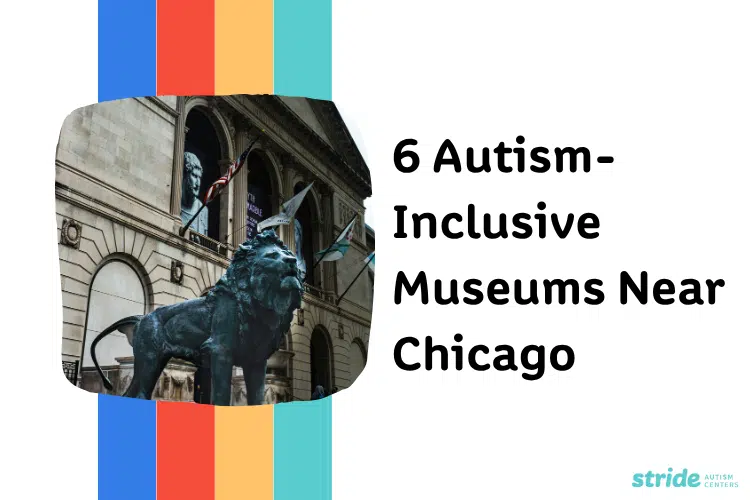
History, culture, nature, art — Chicago is home to some of the best museums in the world. These venues are often packed with locals and visitors alike, clamoring to see the exhibits and roam the collections. When you have a child with autism, you may hear words like crowded, bright, or loud and think that these incredible Chicago attractions are not in the cards for your family.
Thankfully, as local museums work to increase inclusion among visitors, these iconic institutions are more accessible than ever before. Many offer special resources or dedicated sensory-friendly events and experiences.
6 Museums for Children With Autism Near Chicago
As the weather gets colder, now is the perfect time for children of all abilities to explore these important attractions. Here’s a list of six sensory-friendly museums near Chicago.
1. Field Museum
Experience the history of Earth firsthand at one of the world’s leading institutions for natural history and cultural wonders. Your kids can marvel at giant dinosaurs, get close and personal with Egyptian mummies, and even greet Sue, the world-famous T. rex.
The Field Museum is dedicated to removing barriers to ensure everyone feels welcome. You can download the Field for All app and plan your visit ahead of time with resources like:
Sensory-friendly museum maps
Exhibition previews
Customizable schedules
Once you arrive, the Visitor Center will give you a free sensory bag full of tools, such as headphones, sunglasses, and various fidgets, so your child can comfortably engage with the different exhibits.
2. Chicago Children’s Museum
If your child with autism is a sensory seeker, the Chicago Children’s Museum is the perfect place for them to play and learn through hands-on exhibits. As a museum dedicated to kids, the Chicago Children’s Museum creates accessible and inclusive experiences to address each visitor’s unique needs. General resources include:
Regroup areas where overstimulated kids can take a break
Sound-reducing headphones
Storybook guides to promote a comfortable connection with the environment
The museum also offers a Play For All initiative — with free admission to come an hour early on select Sundays to experience the exhibits and programs in a more sensory-friendly way.
3. The Art Institute of Chicago
Let your child view some of the most famous and significant artworks ever by masters like Van Gogh, Monet, and Renoir. You’ll also see iconic works like Grant Wood’s American Gothic.
The museum provides a few sensory-friendly resources, such as:
Social narrative: Includes images and simple descriptions of what your child can expect during their museum visit.
Sensory map: Outlines sensory-friendly spaces that are dimly lit and less crowded, including exhibits with tactile activities or engagement.
4. Shedd Aquarium
Explore the wonders of the aquatic world at Shedd Aquarium. Along with being one of the most highly ranked aquariums in the world, Shedd is a KultureCity® Certified Sensory Inclusive Venue. The welcoming staff is specially trained to recognize guests with sensory needs, and sensory bags are available for free at the main information desk.
The aquarium also features a limited-capacity event called Calm Waters for families with special sensory needs. These select Sundays feature a curated schedule, low-sensory exploration, and even an animal encounter opportunity.
5. Kohl Children’s Museum
Get away from the hustle and bustle of the city to the nearby suburb of Glenview, Illinois, where you will find a friendly place for children of all ages and abilities. Kohl Children’s Museum harnesses the power of play, allowing your child to explore fun, hands-on exhibits that stimulate learning and wonder.
On select Sundays, the museum hosts Everyone at Play — a free program designed for universal accessibility. This event features trained staff who can provide support, guidance, and one-on-one interactive activities.
6. The Peggy Notebaert Nature Museum
Located in Chicago’s famed Lincoln Park, the Peggy Notebaert Nature Museum is a local treasure dedicated to connecting people to nature, science, and conservancy. For kids with autism who love butterflies, botanicals, and critters of all shapes and sizes, the museum hosts a Low Sensory Morning on select Wednesdays. This limited-capacity event features:
Lower lights
Reduced sound stimuli
Sensory-friendly critter connections
Sensory kits
Quiet room for sensory breaks
Tips for Visiting These Chicago Museums
As with any outing or excursion, it’s always best to be prepared when visiting one of Chicagoland’s notable museums — especially when your kiddo has autism. Some tips for planning a successful museum visit with your child include:
Checking for resources: Specialized museum apps, social stories, sensory maps, and other resources can help your child know exactly what to expect with a step-by-step plan for your visit.
Visiting during off-peak hours: Look online to see when the museum is less packed to minimize crowds and noise.
Communicating with museum staff: Some museum staff have specialized training in this area and can provide additional support and guidance.
Utilizing sensory supports: Check for quiet rooms designated for breaks and sensory kits with items to help reduce overstimulation.
Connect With Stride Autism Centers® in Chicago
Sensory-friendly museums allow kids of every ability to participate fully in these impactful cultural experiences. At Stride Autism Centers®, we want to be a part of your family’s journey with autism here in Chicago and surrounding areas. We offer compassionate ABA therapy and support services to help kids ages 2 to 6 grow in confidence and independence.
Reach out online or schedule a consultation at one of our five centers in the Chicagoland area.
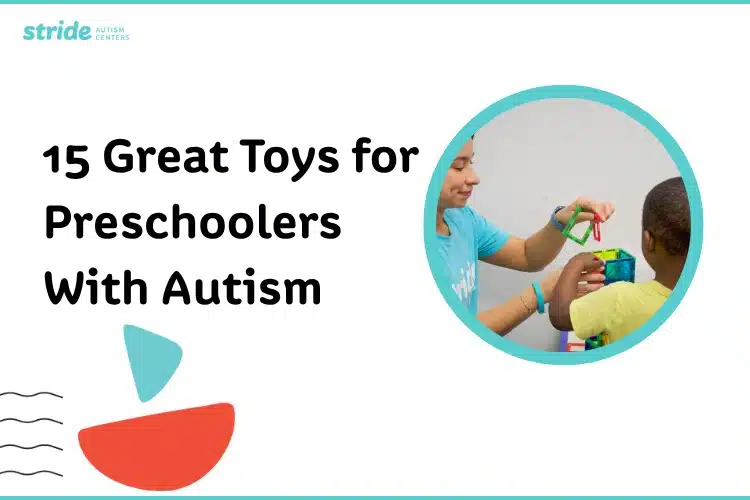
Purposeful play can be a powerful tool for growth, especially in little ones with autism. Finding the right toys can help your kiddo feel calmer, unlock new skills, and focus better, all while having fun. Sensory toys are excellent tools for supporting your child’s development and helping them express their creativity to make playtime more meaningful.
Feel more comfortable in stimulating or unfamiliar environments
Develop fine and gross motor skills
Build communication skills
Types of Sensory Toys for Kids With Autism
Sensory toys fall into different categories based on the senses they engage, such as touch, sound, and sight. These are some of the best toys for children with autism:
Visual Toys
Visual toys involve visually engaging movements, patterns, or lights that have a calming effect. Some of the best visual toys for little ones with autism include:
Star or light projectors: A star or light projector creates a calm environment for your child. They can watch stars twinkle on their ceiling or gentle waves roll across the wall.
Sensory bottles: A sensory bottle is a small tube filled with colorful liquid that slowly drips and swirls downward when flipped over. It’s relaxing to watch and can help kids rest during transitions and quiet time. To make a sensory bottle, fill three-quarters of a bottle with water, mix one or more bottles of clear school glue into it, and add fun visual details such as glitter or beads.
Auditory Toys
Auditory toys provide sound-based sensory input to manage sensory processing, promote calmness, and enhance communication skills. Your kiddo may enjoy these fun ones:
Musical instruments: If your little one enjoys music, you can help them express their feelings and regulate emotions with musical instruments. Whether they tap on a drum, strum a toy guitar, or create melodies on a keyboard, auditory output is excellent for moments of calm creativity.
Shakers: You can also buy maracas or make papier-mache shakers for fun auditory experiences. The sensation of shaking a toy, feeling the internal pieces move around, and making sounds can be very fun and engaging for little ears.
Movement Toys
Movement toys engage your kiddo in movement, balance, and body awareness to help them develop or strengthen motor skills. Here are some of our favorite movement toys:
Tunnels: Crawling through a tunnel is a fun adventure that provides resistance and deep pressure. The enclosed space can give your child a sense of security and let them engage in imaginative play. Your little one might imagine they’re exploring a bear cave, climbing into outer space, or entering another world.
Swings: A swing’s gentle, rhythmic swaying motion can help regulate the nervous system and manage sensory overload. It’s also a great way to develop balance and body awareness.
Yoga ball: A yoga ball is a fantastic way for your child to experience gentle, consistent pressure while exploring their senses and developing balance. They can bounce, lift, roll, and sit on the ball for soothing input and tactile engagement.
Deep Pressure Objects
Deep pressure toys use firm tactile sensation or weight to calm the nervous system and regulate emotions. Your kiddo might enjoy deep pressure from toys such as:
Weighted lap pads: Weighted lap pads mimic the feeling of a gentle hug or a hand resting on the lap, helping kids feel grounded and secure. When used during seated activities like meals, car rides, or doctor’s appointments, a weighted lap pad can help your little one feel calm and focused. Talk to your child’s health care provider or Applied Behavior Analysis (ABA) therapy team to choose the perfect weight and learn the best ways to use this deep pressure object.
Weighted stuffed animals: Weighted stuffed animals are an adorable, cuddly alternative to weighted lap pads. Your child can snuggle a weighted plush toy at home, in the car, or in social settings to feel calmer.
Stimming Toys
Autism stimming toys provide strong sensory input that replaces a potentially unsafe stim, channeling it into a safer action. They can meet various sensory needs, such as movement, touch, sound, and sight. Consider introducing your little one to these stimming toys:
Stress balls: Squeezing a stress ball can help your child feel calm and grounded, especially in overstimulating situations or environments.
Chewable jewelry: Chewable toys are perfect if your kiddo likes to chew to feel calm or focused, and they come in lots of different shapes and textures. Just make sure to pick ones that are medical-grade and nontoxic for safe chewing.
Tactile Toys
Tactile toys, another type of stimming toy, engage your child’s touch to enhance focus. These textured objects and autism fidget toys can help your kiddo focus on tasks, reduce stress, and feel more comfortable in different situations:
Kinetic sand: Your kiddo can squish, shape, and poke kinetic sand. It’s soft, sticks to itself, and cleans up in a snap. Plus, it’s made from natural sand and is safe for kids with allergies. Its unique, moldable texture provides soothing tactile input and encourages fine motor practice as children squeeze, shape, and build.
Magnetic or textured tiles: Magnetic tiles are easy to connect and pull apart, reducing frustration and encouraging creativity. They can help your kiddo build hand strength, spatial awareness, and problem-solving skills.
Play-Doh or nontoxic clay: Play-Doh or nontoxic clay lets your child press, squeeze, roll, and mold for a fun, calming experience. This also helps your little one practice their grip and develop fine motor skills.
Fidget poppers: Fidget poppers have rows of bubbles that your kiddo can easily push out on both sides. They’re easy to keep clean, and your little one can choose from many different shapes and colors. The simple, satisfying popping action keeps hands busy and minds calm, helping reduce anxiety and support concentration.
Help Your Child Grow and Thrive at Stride Autism Centers®
Sensory toys help little ones with autism experience the world around them with a greater sense of calm, comfort, and security. Stride Autism Centers® is passionate about helping your kiddo learn, grow, and develop at their own pace. Our play-based ABA therapy implements various sensory toys into your child’s learning activities and daily routines. Contact us online or call us at (515) 207-5251 to learn how we can help your child thrive.
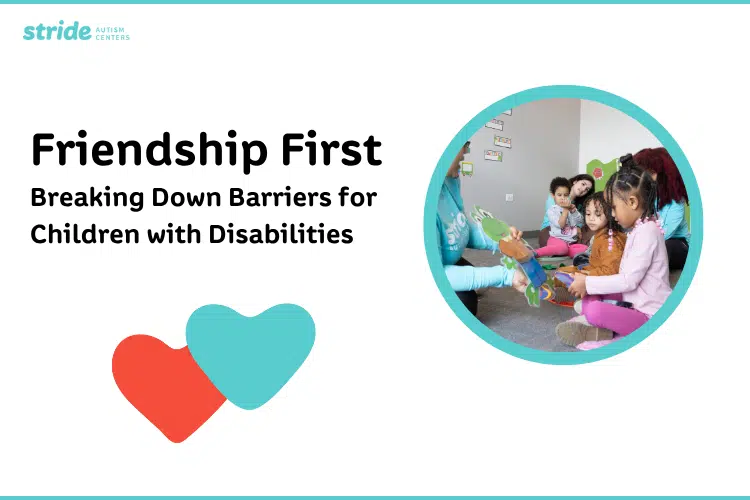
On September 25, the University of Illinois College of Education hosted its 21st annual Goldstick Family Lecture, made possible through the generosity of the Goldstick-Zelinger family. This year’s event featured Dr. Zach Rossetti, a nationally recognized scholar focused on inclusive education and friendships among children with intellectual and developmental disabilities (I/DD).Dr. Rossetti’s talk, “Prioritizing Friendship in School and Community,” emphasized why friendships are not just “nice to have” but essential relationships that foster belonging, growth, and joy for all children.
Why Friendship Matters
Friendships are more than playdates or shared activities. They are personally valuable and developmentally vital. For children with autism and other developmental disabilities, friendships often serve as a bridge between isolation and inclusion.“Friendship can be the bridge between isolation and belonging, between silence and laughter, between being seen and being celebrated.” — Dr. Zach RossettiThis powerful reminder framed the lecture’s message: friendship is not simply about practicing social skills, but about creating authentic human connections
Barriers Are About Opportunity, Not Just Skills
One of the lecture’s key takeaways is that opportunity barriers, not a lack of social skills—often prevent friendships from developing.
Children with I/DD are too often separated from peers in classrooms or community settings.
Adults may unintentionally over-structure interactions, making them less natural.
Without purposeful inclusion, chances for real peer connection are missed.
Adults Play a Critical Role
The lecture emphasized that direct support from adults is a critical facilitator of friendships. Teachers, families, and service providers can help by:
Creating shared experiences where children of all abilities learn and play together.
Supporting peers in learning how to communicate and include.
Valuing relationships alongside academic or therapy goals.
How Stride Brings This to Life
At Stride Autism Centers®, we see every day how friendships strengthen children’s confidence and social growth. Our center-based model is uniquely designed to support this balance:
Personalized 1:1 therapy ensures each child is working toward their individual goals.
Natural group activities give children the chance to practice those skills in real social settings like playing, sharing, learning, and making friends.
This blend allows children not only to develop communication, school readiness, and self-care skills, but also to form meaningful peer relationships.Early intervention matters most between ages 2–6, and friendships built during this stage can help children thrive in kindergarten and beyond.
Final Thoughts
The Goldstick Lecture reminds us that while therapy builds skills, the heart of childhood is friendship. By addressing opportunity barriers and creating environments where all children can belong, we give them more than treatment, we give them connection, joy, and a foundation for lifelong inclusion.Want to learn more about how Stride promotes both individualized growth and social belonging for children with autism ages 2–6? Visit stridecenters.com.
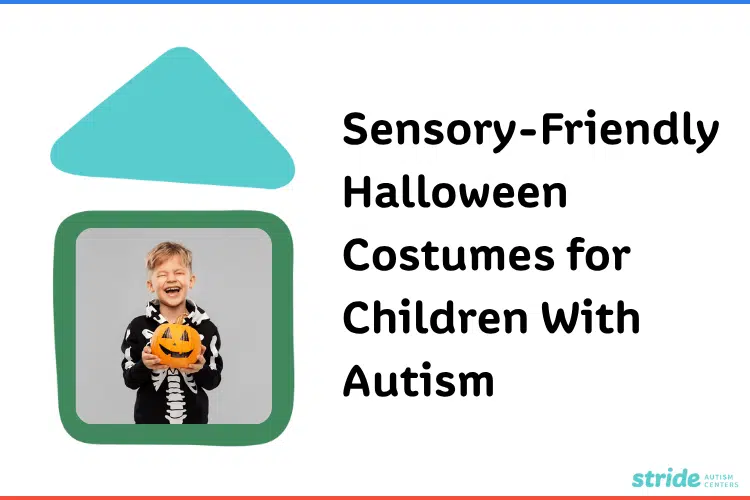
We can remember the itchy, tight, noisy, or smelly Halloween costumes we wore while trick-or-treating in our childhood. While they were uncomfortable for us, they can be overwhelming for kids with autism, often leading to stress, meltdowns, or avoidance. Here’s a comprehensive guide to costume ideas and tips to help your child with autism have a safe, comfortable, and fun Halloween.
Why Sensory-Friendly Costumes Matter for Young Children With Autism
Halloween is typically filled with spooks and scares, and while this can be fun for some, it can be very overwhelming for your child with autism. Sensory issues are common for those on the autism spectrum and can include all five senses: sight, sound, taste, touch, and smell. Finding a comfortable costume is something you can control for your child on a night that is already unpredictable and loud, helping them feel safe, confident, and included.
What to Look for in a Sensory-Friendly Costume
Creativity is the best approach when looking for a sensory-friendly Halloween costume. Here are a few materials and details to keep in mind:
Soft, breathable fabrics: For your child’s Halloween costume, look for soft, breathable, and nonirritating fabrics. Instead of scratchy materials like tulle or polyester, try to find cotton, bamboo, or other natural fibers. It’s also helpful to layer soft, familiar clothing under the costume so any itchy materials never directly touch your child’s skin.
Tagless and seamless designs: Tags and seams on costumes are often itchy and uncomfortable. If the costume has a tag, cut it off and adjust seams as needed for a comfortable fit.
Easy-on, easy-off features: When searching for costumes for children with autism, prioritize hook-and-loop fasteners, such as Velcro, or simple buttons. This way, you can easily remove the bothersome garment if necessary. Layering clothing beneath the costume is also helpful in these situations.
Adjustable and customizable options: Many costumes come with adjustable features, such as an elastic waist or Velcro closures. Consider sizing based on your child’s needs and preferences and adjust accordingly.
Avoid masks: Search for a costume that does not involve a mask that completely covers the face. These coverings can be stifling and may cause your child to panic.
Top Sensory-Friendly Halloween Costume Ideas for Ages 2-6
We’ve compiled a few store-bought or DIY costume ideas to use, but feel free to use your imagination for endless possibilities!
Store-Bought Options and Considerations
If your child wants a store-bought option or an official costume from their favorite franchise, here are a few places to start:
Harry Potter characters: To transform into a student from Hogwarts, all your child needs is a long, flowy robe and an oversized scarf in their house colors. This iconic and comfortable costume is perfect for a magical, sensory-safe Halloween.
Disney characters: Disney characters offer a wide range of costume options, from princesses to villains and more. Better yet, these costumes are often designed for easy on and off, with Velcro or button closures — and they rarely ever need masks!
Animal onesies: A onesie costume is a cute and comfortable alternative. These one-piece costumes come in various animal types, including pandas, cats, dinosaurs, cows, and sharks.
DIY and Adaptable Costumes
If budgeting is a concern or you prefer to do your own thing, making your own costumes can be a fun craft to do with your child. Browse Pinterest to find ideas that use:
Sweatshirts: A thrifted sweatshirt or one you already own makes a great base for a costume. Sew felt triangles on the back of a hoodie to be a dinosaur or yellow and black stripes on a crewneck to be a bumble bee — the opportunities are limitless.
Everyday clothes: Gather clothes you already own or go to a thrift store to piece together an iconic outfit. For example, you can find an old cheerleading outfit and pair it with pom poms or wear a red and white striped shirt to be Waldo from Where’s Waldo.
Themed pajamas: Every year around Halloween, many stores have a wide variety of themed pajamas. Wearing patterns ranging from spiders to witches, your child can trick or treat in comfort.
Preparing Your Child for Halloween: Tips for a Positive Experience
While every child’s needs are different, here are some general tips for making Halloween a positive experience for everyone:
Practice wearing the costume: Suggest that your kiddo wear their costume around the house ahead of Halloween to get used to it. If they complain about any discomfort, you have time to tweak any design flaws.
Experience Halloween decor beforehand: Before Halloween, you can expose your child to the Halloween decor in a department store. This controlled environment can offer a safe space for them to explore and experience everything on their terms.
Create a code word or signal: Create a code word or signal with your child in case they feel overwhelmed and need a break. This way, you can know how they are feeling and respond quickly.
Make your own traditions: If trick-or-treating is too much, stay close to home and make your own fun Halloween traditions. Hand out candy at your house, or go out to visit other loved ones in costume before Halloween.
Help Your Child Thrive Every Day With Stride Autism Centers®
With Stride Autism Centers®, we use applied behavior analysis (ABA) therapy programs to help children with autism function in overstimulating environments for Halloween and beyond. Together, we can craft a personalized care plan to help your child thrive.
Contact us to get started today.
Eating out is a family event that offers quality time connecting with the people you love. If you have a child with autism, this seemingly simple activity becomes a bit more complex. Your child’s needs take precedence — and since dining out can come with strict social expectations and unfamiliar environments that could overstimulate your kiddo, you may be tempted to skip these outings altogether.
Thankfully, there are many autism-inclusive restaurants in Chicago that can make eating out an enjoyable experience for everyone in your family.
Why Sensory-Friendly Matters When Eating Out
The laughter of diners, the clatter of dishes and cutlery, bright lights, strong smells — a typical restaurant is filled with a staggering amount of sensory input. The overstimulation and unfamiliarity of these environments may be a lot to deal with, making it difficult for your kiddo to stay calm and focused.
A sensory-friendly restaurant recognizes and honors the needs of individuals on the autism spectrum or with sensory sensitivities. By creating a calm, comfortable, and controlled environment, your family can enjoy a dining experience that reduces sensory overload, promotes inclusion, and makes dining out a more positive experience for everyone.
5 Autism-Inclusive Restaurants in Chicago and Surrounding Areas
Here is our list of five Chicago-area restaurants for families with children on the autism spectrum and what you can expect from this sensory-friendly experience.
1. Prairie Grass Cafe in Northbrook
Prairie Grass Cafe in suburban Northbrook wants to create a safe space where all diners feel welcomed. As such, families of children with autism, input disorders, noise sensitivities, and other disabilities are welcome to attend the restaurant’s Sensory-Friendly Dining Hour on the last Saturday of each month. This inclusive event allows individuals of all ages and abilities to enjoy a meal with their loved ones in a more relaxed environment. The experience includes these unique features:
Crowd-free dining
Dimmed lights
Reduced noise
Minimal wait times
The staff at Prairie Grass Cafe has also been carefully trained about how to create a sensory-friendly dining experience — minimizing contact with patrons while remaining respectful and flexible to their needs.
2. Brazil Express Grill in Schaumburg
Brazil Express Grill is a family-friendly restaurant located in the northwestern suburb of Schaumburg. Along with its delicious menu of unlimited grilled meats, this restaurant boasts a special honor — it is the first autism and sensory‑approved restaurant in Chicago through the Autism Hero Project.
By making a reservation at this autism-inclusive eatery, your family can enjoy a dining experience that recognizes your child’s unique needs. The restaurant proudly provides the following:
Quiet, dimly lit dining areas
Sensory bins with headphones and fidget toys
An enhanced menu with kid-friendly options
Staff specially trained in autism awareness and sensory accommodations
3. Chuck E. Cheese in the Chicago Suburbs
When you think of sensory-friendly, Chuck E. Cheese is probably not the first place that comes to mind. After all, this restaurant and entertainment venue is known for its flashy arcade games, boisterous atmosphere, and animatronic musical shows.
Yet, on Sensory Sensitive Sundays, kids with autism can enjoy two hours of stress-free dining and fun. The game area is quieter, allowing children to enjoy their favorite games without the sensory overload. The dining space also has softer lighting and reduced sounds so families can eat in peace. The trained team members are always available to provide thoughtful assistance, ensuring every child has a safe and fun experience.
Sensory Sensitive Sundays are available at participating locations throughout Chicagoland, including:
Arlington Heights
Crystal Lake
Gurnee
Skokie
Streamwood
4. The Chicago Diner in Lakeview
The Chicago Diner is a vegan and vegetarian restaurant that wants all diners to feel welcome and included — no matter their sensory needs. Held every third Wednesday at their Lakeview location, Sensory-Friendly Nights are designed to let everyone in your family unwind and enjoy a peaceful dining experience. The event offers the following:
Lower lights and music
Sensory supports like headsets and fidgets
Sensory-conscious menus with meal adjustments as needed
5. Autism Eats Special‑Needs Nights at Partnering Restaurants
Autism Eats is a nonprofit that makes eating out accessible to families with children who have autism. By partnering with local Chicago restaurants, the organization hosts special dinners adjusted to accommodate the needs of individuals with sensory sensitivities. These special events allow you to enjoy a night out with other families with similar stories.
The family dining experience is designed to be calm, accepting, and low-pressure, with these sensory-friendly features:
Dim lighting
No music
No rushing
No checks at the table
Buffet-style or set menus
Reach out to Stride Autism Centers® for Support
At Stride Autism Centers®, we believe that eating out and other social activities can be a more enjoyable experience — for you and your child. Our high-quality clinics in Chicagoland exist to help young children with autism reach their potential. We focus on the social aspect of ABA therapy and skills development so that your child can learn how to manage life beyond our center — whether that’s the classroom or a local restaurant.
With two Chicago locations in South Loop and Oak Park, our compassionate team looks forward to partnering with your family. Contact us today to get started.
Family routine helps smooth out our busy days. It’s especially important for children with autism spectrum disorder (ASD). Daily routines are really a series of gentle touchpoints that give your kiddo a sense of safe predictability as they learn new skills and thrive.
To put your mind at ease, there’s no need to round up the colored markers or fire up a spreadsheet. Building a daily routine for a child with autism can be as simple as creating patterns with daily tasks you would be doing anyway.
In this guide, you’ll find practical, evidence-based advice — rooted in Applied Behavior Analysis (ABA) therapy — to help you build routines that work for your child and your family.
Four Steps and You’re Done!
Building routines for children with autism doesn’t have to be overwhelming. Start small, focus on your child’s strengths, and use visual supports to make each step clear and achievable.
1. List Daily Activities
These are usually centered on morning activities, mealtimes, play, learning, quiet time, and bedtime. Then break it down into tasks:
Use the bathroom
Wash face
Brush teeth
Get dressed
2. Say It With Pictures
Kids with autism often thrive on visual prompts, so use photos, icons, or drawings to represent each step wherever possible. A fun, easy way to do this is to take a photo of your child completing each task. Write each task on a peel-and-stick label and assign it to the relevant photo. Cover with self-seal laminating sheets from an office supply store, then add a Velcro strip or sticky tack to attach it to a felt board or poster board.
Create a “to-do” and “finished” column and move the images between the two. Place the schedule in a visible spot like the fridge or their bedroom.
3. Use Timers and Cues
Visual timers or gentle alarms can help signal when it’s time to move to the next activity or count down brushing teeth for a full two minutes. “First/Then” boards can map out what happens now and what comes next.
4. Start Small and Practice Together
Introduce one routine at a time. Walk through the routine with your child — bedtime bath, brush teeth, pajamas, one bedtime story, turn off the light. Offer support and encouragement and celebrate each completed step, no matter how small.
When your child is comfortable with one routine, gradually add more steps or introduce another. Routines for children with autism should include some flexibility or transition time to help them navigate change.
Tips for Managing Transitions and Unexpected Changes
Some children are attached to the predictability of a routine and may get upset if something changes. With a little planning and the right tools, you can help your child handle changes with more confidence. Here’s how:
Prepare in advance: Talk about upcoming changes as early as possible. This might be adding in a new step, like using the toilet before bed, or sticking to the routine while staying over at a family member’s house during the holiday season. Present the change as a positive or new adventure, be calm and upbeat, and give yourself some grace — building routines for children with autism is a journey, and you’re doing great.
Practice transitions: Roleplay new situations at home and use countdowns or visual timers to signal when a transition is coming.
Offer choices: When possible, let your child choose between two options. For example, you might ask, “Do you want to brush your teeth or wash your face first?”
Coping strategies: Encourage them to use comfort items, like a favorite toy or pair of headphones, and practice calming techniques, like deep breathing or squeezing a stress ball.
Stay flexible: Reassure your child when their routine gets disrupted, and use visual supports to show what will happen next.
Encouraging Independence and Confidence
One of the greatest gifts you can give your child is the confidence to do things on their own. By celebrating progress, you help your child build independence and self-esteem.
Fade Support Gradually
Start by guiding your child through a routine, modeling each task and offering hands-on help or verbal prompts. As your child becomes more comfortable, step back and let them try the steps on their own. Over time, you can move from giving physical help to gentle reminders, and eventually to simply offering encouragement.
Celebrate Small Wins
Praise your child for every step they complete independently. Offer specific, enthusiastic praise for each achievement, no matter how small — for example, “Great job putting on your shoes by yourself!”
Positive reinforcement, like stickers, tokens, or extra playtime, can be very motivating. Share your child’s successes with other family members to foster a feeling of pride. Remember, every bit of progress counts, so be sure to acknowledge your child’s effort as much as the results.
Involve Your Child
Let your child pick out pictures or drawings for their schedule, making it more personal and engaging. While creating a daily routine for a child with autism, allow them to decide the sequence of certain activities whenever possible. This can give them a sense of control. Encourage them to check off or move completed tasks on their board so they build ownership and responsibility. Asking for their input on what helps them feel ready for each part of the day can also make routines more successful.
Yay to Problem Solving
If your kiddo gets stuck, ask guiding questions and resist giving the answer right away. Use prompts like, “What comes next on your schedule?” or “What do we do after breakfast?” to encourage them to think through solutions, even if it takes a little extra time. If they need support, offer hints or choices, but let them make the final decision. Celebrate their effort to figure things out — this helps reinforce valuable problem-solving skills.
Model Independence
Show your child how you follow routines and handle changes calmly. Demonstrate your own routines and talk through your actions, like saying, “Now I’m brushing my teeth, just like you!” When plans change, talk through your feelings and coping strategies aloud — for example, “I wasn’t expecting this, but I’ll take a deep breath and adjust.”
Let your child see you using visual schedules, timers, or checklists, so these supports feel normal and helpful. By being patient and positive, you’re setting a reassuring example for your child to follow. Remember, you’re making a meaningful difference in their life every day. Be kind to yourself, and know that it’s OK to learn and grow alongside your child as you build these routines together.
Partnering With Your ABA Therapy Team
As a parent, daily routines for children with autism offer natural opportunities to strengthen their communication and social skills. Your ABA therapy team is here to support you and your child every step of the way. We help you recognize these teachable moments within your family’s routines and show you how to make the most of them, turning everyday activities into meaningful learning experiences.
Here’s how we can support you:
Collaborate on goals: Share your child’s strengths and goals with your therapy team as we work together to reach realistic, meaningful milestones.
Consistency across settings: We love hearing about your daily routine successes so we can use similar visual supports and language in the center.
Let’s Help You Build Routines That Work for Your Family
If you need help or advice on how to create a routine for a child with autism, Stride Autism Centers® is here for you. Our center-based, play-based ABA therapy programs are for kids with autism ages 2 through 6 and are designed to meet your child’s individuality and your family’s unique needs. Our team works closely with you to establish practical routines with hands-on guidance and ongoing reinforcement every step of the way.
Call our caring, experienced team at 515-207-5251 or connect with us online to see how we can help your child thrive with routines that truly make a difference.
Every child deserves the opportunity to experience the fun and excitement of sporting events. Watching a game is a fantastic way for your little one to experience new things and enjoy quality family time.
Sensory-friendly sporting venues celebrate your child and offer thoughtful supports that reduce stimuli, helping them feel calm and at ease. From fidget toys to quiet sensory rooms, you can plan an unforgettable day out with your kiddo.
How Sensory Rooms and Bags are Transforming Sporting Arenas
Thanks to KultureCity® — a nonprofit group that trains venues on how to be more sensory inclusive — more arenas are ready to support fans who prefer a quieter, less stimulating environment. From the moment you arrive, supportive features help your kiddo enjoy the excitement in a way that feels good to them.
KultureCity has helped design and certify sensory rooms at several venues across the country. These are quiet places you and your child can visit any time they need a break from the cheering crowds. Sensory areas often feature adjustable lighting, interactive sensory toys, textured walls, and comfortable seating to help your kiddo rejuvenate and find their calm. Many venues also offer KultureCity sensory bags with comfort items such as:
Noise-cancelling headphones
Sunglasses
Fidget toys
Verbal cue cards
Weighted lap pads
21 Accessible Sporting Arenas for Children With Autism
Help your child enjoy the action and excitement at their own pace when you visit these sensory-friendly venues:
1. Petco Park — San Diego
Petco Park, home of the San Diego Padres, was the first sensory-inclusive stadium on the West Coast.
Before heading to a game, walk your little one through their stadium adventure with the illustrated “We’re Going to a Padres Game!” storyboard. Then, on the day, use a stadium map to locate a sensory bag at the Sensory Activation Vehicle in Park Blvd Plaza or at Guest Services locations in sections 108, 131, or 303.
If your kiddo needs a break from the excitement, you can find designated quiet areas on your map or ask a friendly staff member who is trained to support special guests with sensory needs.
2. United Center — Chicago
United Center is a sensory-inclusive stadium where you and your family can catch a Chicago Bulls or Chicago Blackhawks game. Staff are trained to recognize and support guests with sensory needs, so you can rest assured that your family is welcome and cared for during your visit.
Grab a sensory bag from Guest Relations near Gates 2 and 6 to create a cozier experience for your child. You and your kiddo can also visit United Center’s sensory room at Gate 2 ½ for a relaxing break from the stadium’s excitement.
3. Rate Field — Chicago
Rate Field is home to the Chicago White Sox and hosts an annual Autism Inclusion Night. During this event, your family can enjoy the game without fireworks for a gentler sensory experience. If your little one needs a quiet space to enjoy the game, you can watch from the peaceful sensory pod in section 530. You can also take a fun break in Suite 460’s sensory room or grab a sensory bag from Guest Services.
4. Allstate Arena — Rosemont, Illinois
Allstate Arena in Rosemont is a Certified KultureCity arena where your kiddo can enjoy a sensory bag during their visit. You can use KultureCity’s Social Story App to familiarize yourself with the arena’s environment through pictures, and consider bringing a weighted lap pad to help them feel comfy and cozy during the game. Whether your family enjoys hockey, wrestling, bull riding, or college basketball, you can all have a wonderful time at Allstate Arena.
5. Denny Sanford PREMIER Center — Sioux Falls, South Dakota
Denny Sanford PREMIER Center is another certified KultureCity venue, making it easier for families with sensory needs to enjoy events. Your little one can attend a Sioux Falls Stampede hockey game with a free sensory bag full of comfort items and fun fidgets. If they need a break from the thrill of the game, they can also rest in the quiet sensory pod located outside section 118.
6. Kinnick Stadium — Iowa City, Iowa
As a certified KultureCity venue, Kinnick Stadium welcomes you and your family to enjoy events in comfort. Staff are trained in sensory inclusion and are ready to offer support whenever you need it. You can also check out the KultureCity app before you arrive and grab a sensory bag full of everything they need to enjoy the event. With these extra supports, you and your little one can cheer on the University of Iowa Hawkeyes at your own pace and volume.
7. Werner Park — Papillion, Nebraska
Treat your family to a memorable Omaha Storm Chasers game at Werner Park. You can request a sensory kit at every home game and visit the venue’s Autism Action Partnership Quiet Zone if your little one wants a break from all the action.
8. Wrigley Field — Chicago
Wrigley Field is a must-visit venue if your kiddo is a big baseball fan. Thanks to KultureCity sensory bags and a certified sensory room, you and your family can enjoy this iconic stadium to the fullest. Help your little one manage sensory input with fidget toys and noise-cancelling headphones, and decompress in the sensory room if they need a calmer space. The sensory room is equipped with soft lighting, a sound machine, a texture wall, and interactive light cubes.
9. Ford Field — Detroit
Ford Field is home to the Detroit Lions and offers support to help your family have a fantastic experience. Ask Guest Services for a sensory kit or pause for a moment in the Sensory Room. Your little one can cuddle up in a cozy sensory pod, hang out on a bean bag chair, and play with the room’s sensory toys until they feel refreshed.
10. GEHA Field at Arrowhead Stadium — Kansas City, Missouri
Enjoy a Kansas City Chiefs or Kansas Jayhawks game in the way that works best for you and your family. GEHA Field at Arrowhead Stadium offers sensory kits and features two sensory rooms on the Plaza level inside Gate G for your child can ground themselves in a calm atmosphere until they’re ready to rejoin the action on their timeline.
11. PNC Park — Pittsburgh
Take your kiddo to a Pittsburgh Pirates game to create a core memory they’ll cherish. The stadium’s KultureCity sensory bags are filled with calming tools to help children remain comfortable watching the game from their seats. You and your little one can also visit the quiet sensory room in Suite 62 to explore sensory touch panels, art panels, bean bags, and bubble walls. This serene area is the perfect place to catch a breath between innings or any time a quiet moment feels right.
12. Pocono Raceway — Long Pond, Pennsylvania
NASCAR races are known for speeding cars, roaring motors, and cheering crowds. If your child wants to see their favorite cars zip past without the extra noise, help them enjoy the excitement in comfort with the raceway’s sensory bags.
When they start feeling restless or need to get up and move, your kiddo can run and play at the Lehigh Valley Reilly Children’s Hospital Inclusive Playground right outside the raceway. You can also stop at one of the raceway’s two sensory rooms for a calm, quiet recharge.
13. Lincoln Financial Field — Philadelphia
Whether your family wants to catch a Philadelphia Eagles game, watch the annual Army vs. Navy game, or attend a soccer match, Lincoln Financial Field has your back. As one of the first certified KultureCity Sensory Inclusive Venues, this stadium features sensory bags and a fantastic, state-of-the-art sensory room. Your little one can relax in a soundproof space and enjoy comfort items such as weighted blankets, visual light panels, bean bags, and sensory toys any time they need a break.
14. Sports Illustrated Stadium — Harrison, New Jersey
Treat your soccer fan to an exciting New York Red Bulls game at Sports Illustrated Stadium. If they need to move around or rest for a bit, you can take them to the stadium’s Altec Lansing Sensory Room. This KultureCity-approved space on the 5th floor provides a calm environment with dim lighting, fidget toys, and bean bags. The stadium also offers sensory bags so your kiddo has some comfort items they can use at their seat.
15. Mercedes-Benz Stadium — Atlanta
Enjoy an Atlanta Falcons football game or an Atlanta United soccer game with your family at Mercedes-Benz Stadium. You and your little one can step away from the stadium’s sights and sounds in a sensory room full of weighted animals, fidget toys, and bubble walls. The stadium also offers KultureCity sensory bags, which you can find at any of the Guest Services Booths.
16. Highmark Stadium — Orchard Park, New York
Highmark Stadium makes it easy to enjoy a Buffalo Bills game with sensory-inclusive features. Grab a Sensory Inclusion Kit from a Guest Experience Booth or visit the sensory room on the fifth floor of the stadium’s Old Admin building. This peaceful space offers the perfect breather from the game’s bright lights and big sounds.
17. M&T Bank Stadium — Baltimore
If your kiddo is a Baltimore Ravens fan, you and your family can enjoy an unforgettable time at M&T Bank Stadium. Sensory kits are available, and multipurpose rooms in the lower level provide a quiet, private space for your child to relax whenever a calm moment helps.
18. Angels Stadium — Anaheim, California
Catch a Los Angeles Angels game at Angels Stadium, which partners with Easterseals to provide sensory bags full of fidget toys and comfort items. You and your little one can also take a moment away from the crowds in the stadium’s sensory room, where you’ll find tactile toys, calming lights, and a peaceful space to unwind.
19. Oakland Coliseum — Oakland, California
The Oakland Coliseum is a fun venue to catch an Oakland Roots soccer match or a Major League Cricket (MLC) game. If your little one wants a break from the cheering crowd, you and your child can enjoy the sensory room’s soothing atmosphere and head back to your seats when they feel ready.
You can also treat your kiddo to a fun hockey game, monster truck show, concert, or Disney on Ice event at the Oakland Arena. This certified KultureCity Sensory Inclusive Venue is in the same sports and entertainment complex as the Oakland Coliseum and hosts various events throughout the year. Your little one can enjoy their favorite artist or watch Disney characters glide across the ice with noise-cancelling headphones and a sensory bag.
20. Yankee Stadium — New York City
Visiting Yankee Stadium in the Bronx is an unforgettable moment for any baseball fan. Your family can enjoy this iconic New York landmark’s vibrant atmosphere, delicious food, and fascinating history help from sensory bags and access to a sensory room on Section 320C’s Terrace Level.
21. CitiField — New York City
While exploring the Big Apple, continue the fun at CitiField in Queens and catch a New York Mets game. Ask for a KultureCity sensory bag, and be sure to visit the Sensory Nook on the Empire Level any time your kiddo wants a quieter moment from the game.
Sensory-Friendly Preparation Tips
Navigating sporting events and autism is easier than ever thanks to supportive features and welcoming venues. These helpful tips can help you plan a fun, memorable day out together:
Bring a favorite toy or comfort item: If your child has a favorite blanket, stuffed animal, or toy, they may find comfort in it during a game.
Identify quiet areas ahead of time: Map out quieter zones before you arrive so you know where to go if your kiddo needs a break. Sensory rooms, upper concourses, and outdoor patio spaces are some of the best places your little one can explore, stretch their legs, and enjoy quiet moments.
Schedule movement and exploration moments: Children often let us know when they need a break, but scheduling quiet or movement moments ahead of time is a fantastic way to proactively meet your child’s sensory needs. Take a walk or visit a sensory room between innings to help keep your little one’s energy and spirits high.
Help your child know what to expect: Adjusting to a new environment is easier and more fun when you know what to expect. Help your child feel comfortable by taking time to explain the venue’s atmosphere, what happens at a game, and the reasons to get excited for the day through printed pictures or storytelling.
Pick comfortable clothing: What outfit is your little one most comfortable in? Let them wear a cozy hoodie and slip-on sneakers if that’s what makes them feel snug and safe. You can also take a compression vest to help your child feel calm and grounded during your fun day together.
Bring sunglasses and a brimmed hat: Sunglasses and a brimmed hat can reduce the light and visual buzz that may become overstimulating.
Arrive early or after the game starts: Arrive a little early — or a bit after the first inning or kickoff — to skip the busiest lines and settle in at your family’s pace.
Help Your Child Thrive With Supportive ABA Therapy
Sensory-friendly venues help your child discover the world around them in comfort. Stride Autism Center is also dedicated to helping your kiddo experience as much as they can at the pace that works best for them.
We offer tailored, compassionate ABA therapy that supports your child’s growth, builds everyday confidence, and honors their pace. Contact us online or call us at (515) 207-5251 to schedule a consultation and learn more about how we can help your little one thrive.
Parenting a young child with autism can be both rewarding and challenging. As you navigate diagnosis, services, and daily life, you may be curious about autism support groups for parents in Chicago. These groups can offer information, a sense of community, or simply a chance to connect with others who share similar experiences.
At the same time, support groups aren’t for everyone. You may not feel comfortable identifying with a broader autism community, or you may simply not have time, especially when work, caregiving, and family leave you little room for yourself. Both perspectives are valid. The resources below are provided so you are aware of some of the groups that currently exist in the Chicago area.
Autism Parent Support Groups in Chicago
We’re happy to share six organizations that host autism-related support groups for parents and caregivers in or around Chicago:
Chicago Autism Network This nonprofit offers free virtual parent workshops each month on a wide range of autism-related topics.
The Answer, Inc. Provides co-ed and men’s support groups for parents and caregivers. Meetings often include educational presentations followed by discussion time.
Ascension Autism Spectrum and Developmental Disorders Resource Center Offers groups where parents and caregivers can meet, share experiences, and discuss resources.
Global and Regional Autism Spectrum Partnership (GRASP) A national nonprofit with virtual support group options, including a program specifically for parents.
Association for Autism and Neurodiversity (AANE) Provides online, facilitated peer groups where you can connect with other parents and caregivers of autistic individuals.
If you are considering joining an autism support group in Chicago, here are a few things to think about:
Time and capacity: Caregiving leaves little free time, and you may not be able to add meetings to your schedule.
Privacy: Support groups usually set confidentiality guidelines, but it’s best to limit sharing personal details such as your address, your child’s school, or last names.
Different experiences: Every family’s journey with autism is unique. What works for others may not be right for you, and that’s perfectly okay.
Support groups are not a replacement for professional therapy or medical care. If you are struggling with your own mental health, it may be helpful to connect with a licensed therapist.
Supporting Your Family at Stride
At Stride Autism Centers®, our focus is on providing Applied Behavior Analysis (ABA) therapy for preschool-aged children with autism (ages 2–6). Our full-day, center-based programs help children build communication, social, and school readiness skills in a structured, supportive environment.
While we are not affiliated with the groups listed above, we know that some families find them useful while others prefer different kinds of support. What matters most is finding what works for you and your child.
We’re always looking to keep this list as helpful as possible. If you find other autism support groups in Chicago that you think are worthwhile, please share them with us so we can continue updating our resources for families.
Medicaid coverage for ABA therapy in Illinoishas changed in recent years, and keeping up with regulations and eligibility can be challenging. At Stride Autism Centers®, our mission is to help young children with autism build meaningful skills and prepare for kindergarten and beyond. We know that families often have questions about how to pay for care and one of the most common is whether Medicaid covers ABA therapy in Illinois. The short answer is yes, but it’s complicated.
Medicaid Coverage for ABA Therapy in Illinois
Since October 2020, the state of Illinois has recognized ABA therapy as a medically necessary treatment for children and young adults under 21 with autism. That means ABA can be covered under the Medicaid program through the Early and Periodic Screening, Diagnostic, and Treatment (EPSDT) benefit.
However, ABA Therapy Medicaid Access in Illinois is still very limited. The state’s reimbursement rates for providers remain low, which makes it financially challenging for many ABA organizations, including Stride, to participate in the program. As a result, families often face long waitlists or difficulty finding local providers who accept Medicaid.
How Families Can Access ABA Therapy Through Medicaid
Even with these challenges, there are steps families can take:
Developmental screening: Ask your pediatrician for an early autism screening or connect with your local Child and Family Connections office to start the Early Intervention process.
Obtain a formal diagnosis: A developmental pediatrician, licensed child psychologist, or neurologist can provide the evaluation needed for ABA coverage.
Work with your Medicaid Managed Care Organization (MCO): Each MCO maintains a list of approved ABA providers. Your pediatrician or an LCSW can help you navigate this process.
Request an ABA assessment: If approved, your child will complete an initial ABA assessment to set goals and recommended therapy hours.
Commercial insurance: During your employer’s open enrollment, you may be able to add coverage that includes ABA therapy. We partner with an experienced insurance broker who can help you evaluate affordable plans.
Government programs: The Illinois Health Insurance Premium Payment (HIPP) Program may help cover the cost of private insurance if you already qualify for Medicaid.
Local resources: Organizations such as the Chicago Autism Network offer Therapy Assistance Grants that can offset ABA expenses.
How Families Can Drive Change
Medicaid coverage for ABA therapy in Illinois has improved thanks to parent and advocate leadership. Until 2023, the state required every hour of ABA therapy for children on Medicaid to be directly supervised by a licensed clinical psychologist or psychiatrist. While intended to ensure quality, this rule created the opposite effect, there weren’t enough licensed professionals available, which left many families facing long waitlists and struggling to access care. Families and advocacy groups, including the Illinois Autism Insurance Coalition, came together to share their stories and push for change, ultimately helping remove this supervision requirement for Board Certified Behavior Analysts (BCBAs).
This update may sound like a small technical detail, but it has had a significant impact on ABA Therapy Medicaid Access in Illinois. By aligning regulations with how ABA is safely and effectively delivered, more providers can now participate and more children with autism can receive therapy through Medicaid. There’s still more work ahead, but this progress shows the power of families speaking up and reminds us that advocacy can directly expand access to the care children and families need.
By continuing to share your stories with local representatives and supporting advocacy groups, you can help expand access to ABA Therapy for more children and families.
At Stride Autism Centers®, we’re committed to supporting families every step of the way, from providing resources while you wait for services to advocating for greater access to care across Illinois and the Midwest.
If you have any questions or would like more information, Stride Autism Centers® is here to help. Get started today.
Get the Stride Family Newsletter
Get practical tips, stories, and fun at-home activities designed to help your child thrive.
Success!
Thank you for your submission. We will be in touch soon.




 Kids with autism often

 KultureCity has helped design and certify sensory rooms at several venues across the country. These are quiet places you and your child can visit any time they need a break from the cheering crowds. Sensory areas often feature adjustable lighting, interactive sensory toys, textured walls, and comfortable seating to help your kiddo rejuvenate and find their calm. Many venues also offer KultureCity sensory bags with comfort items such as:
 Petco Park, home of the San Diego Padres, was the first sensory-inclusive stadium on the West Coast.
Before heading to a game, walk your little one through their stadium adventure with the illustrated “
Petco Park, home of the San Diego Padres, was the first sensory-inclusive stadium on the West Coast.
Before heading to a game, walk your little one through their stadium adventure with the illustrated “ Wrigley Field is a must-visit venue if your kiddo is a big baseball fan. Thanks to KultureCity sensory bags