
Now Enrolling Ages 2-6!

Learn more

How to Prepare Your Child for ABA Therapy Sessions

Starting ABA therapy can be an emotional journey for both you and your child. You may feel a mix of excitement, anxiety, and even doubt. That’s completely normal. The good news? With a little preparation, this transition can be a positive, even empowering experience for your child and your family. If your child has recently been diagnosed with autism, you’ve likely heard that Applied Behavior Analysis (ABA) therapy is one of the most effective, evidence-based treatments available. Many children thrive in a clinic-based setting, where they can build social skills, increase independence, and receive structured learning opportunities.  While change can feel overwhelming at first, kids are resilient — and with the right support, they can adapt and flourish. To help them better transition into this new modality, the first step is to prepare for ABA therapy At Stride Autism Centers, we’ve helped countless families navigate this journey, and we’re here to make starting ABA therapy as easy and stress-free as possible for you and your child.

Understanding What to Expect from ABA Therapy

ABA is the science of learning. Short for Applied Behavior Analysis, ABA helps children acquire skills in small, manageable steps, allowing them to build on their successes over time. This process, known as scaffolding, is similar to how construction workers use supports to build higher floors. Some children pick up new skills quickly, while others need more structured guidance, and that’s okay — ABA meets each child where they are. At Stride, therapy is designed to feel natural and fun, rather than like work. Our clinics are often described by team members and families as joyful because we believe learning should be an enjoyable experience.  At our centers, ABA therapy is play-based and personalized. We meet kiddos where they are. One little girl we worked with was hesitant at first, so her therapist spent the first sessions playing with her favorite toy — pretend food. Another child felt most comfortable wearing a lion costume, so we welcomed them every day as a little roaring cub. Small, thoughtful accommodations like these help children ease into therapy and find joy in the process. Recently, in Iowa, there was a big snowfall. We talked to the kiddos in our Des Moines clinic about weather and winter clothing accessories and the children were fascinated by the idea of playing in the snow. With parent consent, of course, we bundled the kiddos up and incorporated sledding into the schedule. Their giggles warmed the adults better than any jacket! Understanding the purpose behind ABA and how it works can help you prepare for ABA therapy with confidence rather than apprehension.

Preparing Emotionally: The Parent’s Role

Your mindset matters. Children pick up on their parents’ emotional cues, so the way you approach this transition will directly impact how your child feels about it.
  • Frame it Positively: Prepare for ABA therapy by presenting it as an exciting new adventure. Many parents refer to it as “school” or “playtime with friends.”
  • Model Calmness: Kids take cues from us. If you’re anxious, they’ll sense it. If you’re confident and upbeat, they’ll feel reassured.
  • Give Yourself Grace: This is a big change for your whole family. Progress is a journey.

Creating a Positive Environment for Transition

Helping your child feel comfortable with this new change starts before their first session. Here are a few strategies to ease the transition as you prepare for ABA therapy:
  • Introduce ABA Naturally: If your child enjoys books or visual stories, use them to explain what their new “school” will be like.
  • Get to Know the Therapists: Ask for a picture or a short video introduction from the therapist so your child sees a familiar face before their first day.
  • Make It Personal: One child we worked with insisted on bringing his favorite stuffed elephant to every session. Comfort items can make all the difference.
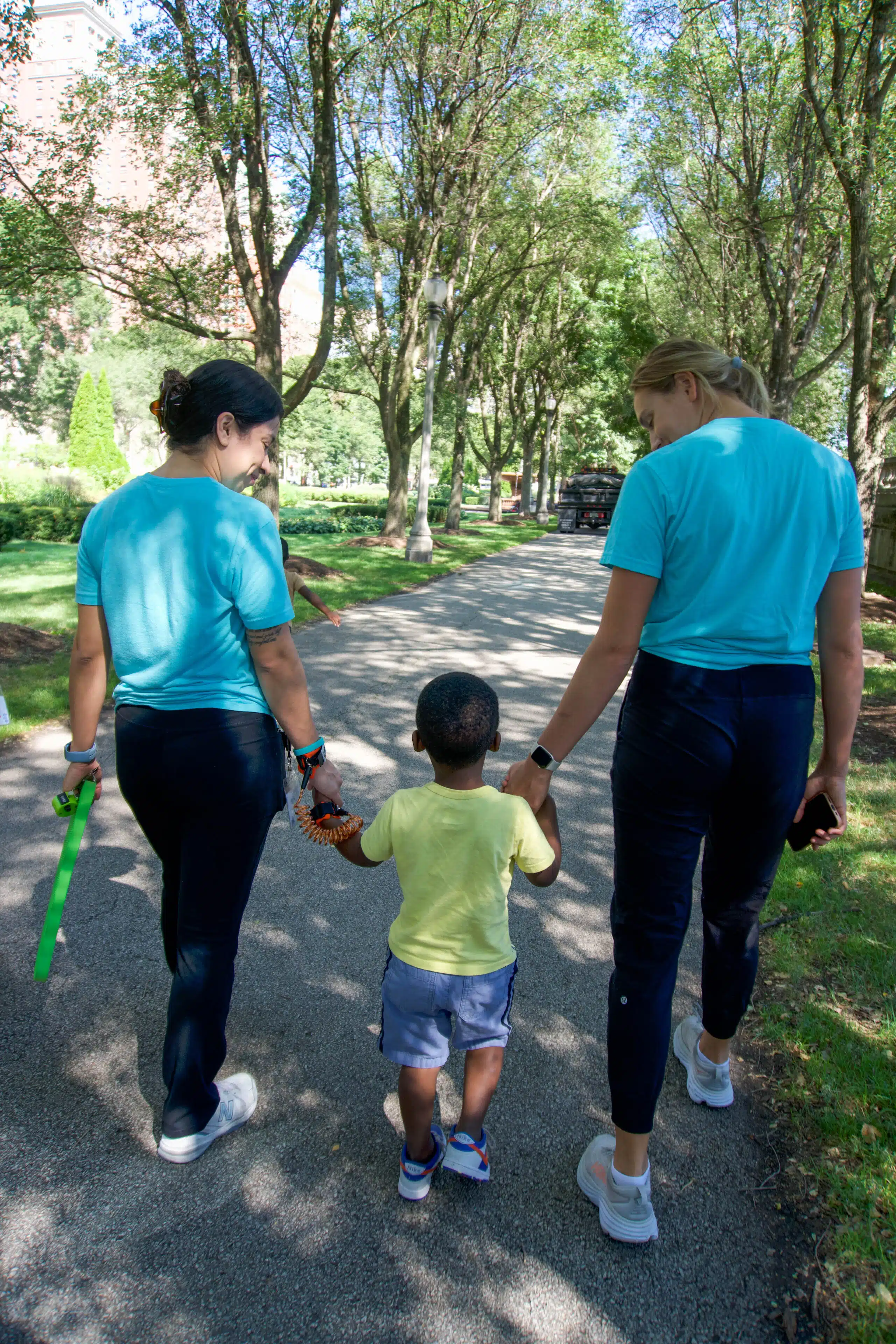
Stride team members walking hand in hand with a young child in blue shirt and blue shorts at the park.

Establishing a Routine to Build Predictability

Predictability helps reduce anxiety. Establishing a routine before therapy begins can help set your child up for success.
  • Create a Visual Schedule: A picture schedule outlining their day, including ABA therapy, can help children know what to expect.
  • Plan for Transitions: If getting dressed is a challenge, consider letting your child wear pajamas to the clinic and changing there.
  • Understand That Sleep & Meals Aren’t Always Perfect: Many children with autism experience sleep and eating challenges. ABA therapy can help address these issues.

Introducing Your Child to the Therapy Setting

A new environment can feel intimidating. Familiarity is key to reducing stress.
  • Take a Tour: Prepare for ABA therapy by visiting the clinic with your child before their first session.
  • Meet Other Kids: Arrange a playdate with another child attending the center.
  • Normalize the Experience: Refer to ABA as “school” or “playtime” rather than “therapy.”

Communicating with Your Child’s Therapist

Building a strong partnership with your child’s therapy team is essential for your child to get the most out of their therapy program.
  • Share Key Information: The more your child’s therapist knows about their likes, dislikes, fears, and communication style, the better they can tailor sessions.
  • Ask the BCBA Questions: How will progress be tracked? What’s a typical day like? How often will parents receive updates?
  • Stay Engaged: Some parents request more frequent updates in the first few days for peace of mind.
For non-verbal kiddos, let the ABA team know how your child communicates — whether through hand signs, facial gestures, or specific vocal sounds. This knowledge helps your child’s therapist better understand and support them as they prepare for ABA therapy together.

Tips for Building Comfort and Trust

Adjusting to ABA therapy is a process. Be patient with yourself and your child.
  • Celebrate Small Wins: Acknowledge participation, smooth transitions, or any progress.
  • Use a Reward System: Whether it’s a sticker chart, extra playtime, or a special treat, find what reward motivates your child.
  • Give It Time: Some children adapt quickly, while others take a few weeks. This is completely normal.

How To Prepare for ABA Therapy: Last Steps 

Starting ABA therapy is a significant milestone, but with the right preparation, it can be a smooth and empowering journey. Every child is capable – they adjust in their own way – and every family’s experience is unique. At Stride Autism Centers, we’re here to support you every step of the way. If you have questions or need guidance, reach out. Together, we’ll help your child feel ready, confident, and excited for this next chapter.    

Author: Kristen Cooper, Chief Clinical Operations Officer

Kristen Cooper Borkenhagen is a Licensed and Board Certified Behavior Analyst (BCBA) and Licensed Marriage and Family Therapist (LMFT). Kristen is passionate about helping families achieve meaningful outcomes and has been providing behavior analytic services to individuals with developmental disabilities and their families since 2001. Kristen earned a bachelor’s degree in Psychology from the University of Wisconsin – Madison and a master’s degree in Counseling Psychology from John F. Kennedy University in Campbell, CA, before studying Applied Behavior Analysis at the Florida Institute of Technology. She held several clinical leadership positions with Trumpet Behavior Health in the San Francisco Bay Area and was the Director of Clinical Services with Achieving Collaborative Treatment in Verona, WI. The thing that excites her most about the science of behavior is its application to empower parents to create what matters most to them. Kristen lives in Madison, WI, with her husband, three kids, two cats, and six chickens. In her free time, she enjoys reading, creative projects, outdoor adventures with her family, and fostering kittens with a local animal rescue.
How to Talk with Your Child About Their Autism Diagnosis

When it comes to discussing an autism diagnosis with your child, open and honest conversations go a long way in helping them better understand themselves and the world around them. These discussions are an opportunity to celebrate your child’s unique qualities, boost their self-confidence, and lay the groundwork for a lifetime of self-awareness and advocacy.   Starting this conversation can feel overwhelming, but you don’t have to do it alone. This guide will walk you through how to approach the topic in an age-appropriate way with practical strategies to create a supportive, empowering dialogue.   Stride Autism Centers is here to help your family in this exciting upcoming chapter in your lives.


Why Discussing an Autism Diagnosis Matters

Kids are curious, and they often notice when they experience the world differently than others. Just like adults do, kids compare themselves to their peers. Without clear explanations, this can lead to confusion, frustration, or feelings of inadequacy.   Discussing an autism diagnosis provides your child, even at a young age, with clarity and a framework for understanding their experiences.   This conversation also normalizes talking about autism and encourages your child to feel proud of who they are. By fostering openness, you give them the tools to address challenges and celebrate their strengths.  

Preparing Your Family for the Conversation


1. Educate Yourself

Before starting the conversation, take time to educate yourself about autism. Resources like the Association for Science in Autism Treatment and Autism Speaks can provide valuable information.   Understanding the characteristics of autism, common strengths and challenges, and patterns of development can make it easier to explain it to them.   

2. Reflect on Timing

Choose a moment when your child is calm, focused, and ready to talk. There’s no perfect time, but if they’ve started noticing differences or asking questions about their experiences, that’s a good indicator it’s time to begin.  

3. Plan the Right Setting

Pick a quiet, familiar place where your child feels safe. A calm environment with soothing items like a lovie or stuffed animal can help them process the information and feel supported.   

Tailoring the Discussion to Your Child’s Age and Understanding


Young Children

Use simple language and concrete examples. For instance, “Autism means your brain works in a special way. It helps you do some things really well, and it makes other things a little harder. Everyone’s brain works differently, and that’s okay!”  

Older Children

Older kids and teens may be ready for more details. You can connect the diagnosis to traits they’ve noticed in themselves   For example, “Have you noticed how you’re amazing at solving puzzles but sometimes get overwhelmed in noisy places? That’s because of how your brain processes information and sensory inputs — it’s part of autism. It’s not good or bad; it’s a part of who you are.”   No matter their age, reassure them that autism is one aspect of their identity, one to be proud of and celebrated. Autism is not the only thing that defines them and their abilities.  

Creating a Supportive Environment

  A calm and supportive environment is essential for a meaningful conversation. Start by highlighting your child’s strengths.   For example, “You have such a great memory, a wonderful imagination, and you are always ready on time. Those are things that make you special. I wish I could do some of these things as well as you do them.”   If your child uses alternative communication methods or is less inclined to share how they feel verbally, incorporate tools into the conversation. Picture cards, communication devices, or visual aids can help them name and process their emotions.    An example of a visual aid we’ve used with our own kids is called Red, Yellow, Green Hearts. When you feel upset, point to the red heart. When things feel okay but not great, that’s yellow. Green hearts mean you feel calm and happy.    These shortcuts may not tell the whole story but they can help people get unstuck in sharing their emotional state, and help caregivers pinpoint problems to try and solve.


How To Explain Autism in Simple, Relatable Terms

  When discussing an autism diagnosis, use positive and affirming language.   For example, “Autism means your brain works in a unique way. It makes you really good at some things, like noticing details or remembering facts, but it can also make some things harder, like loud noises or transitions to new activities.”    Relatable comparisons can help, too. You might say, “It’s like being left-handed in a right-handed world — it’s not bad, just different. And different is great! It’s what makes us human.” These explanations can make autism feel less intimidating and more approachable for your child.  

Handling Questions and Emotions

  After sharing and discussing the autism diagnosis, give your child time to react. They might have questions like “Will I always have autism?” or “Why am I different from other kids?”   Answer honestly and reassure them. For instance, “Yes, autism is part of who you are, just like your eye color. It’s not something that needs to change, and it’s a part of what makes you amazing.”   For nonverbal children or those who use alternative communication, ensure you leave room for their input. Presume competence and allow extra time for them to process and respond.  

Promote Positivity and Self-Awareness

  Discussing an autism diagnosis is a chance to focus on your child’s strengths. Highlight what makes them unique and special. You might say, “Your autism helps you see the world in a way others might not. That’s super cool and something to be proud of!”   Share stories of role models like Temple Grandin or Greta Thunberg to inspire your child and show them that having autism is part of what makes these individuals extraordinary.


Talking to Siblings and Family Members

  Including siblings in the conversation about your child’s autism diagnosis is an important part of creating a supportive family environment. Siblings often have their own questions and observations. Helping them understand autism can promote empathy, patience, and inclusion.    Siblings of children with autism or other special needs often feel a range of emotions, including jealousy, guilt, and resentment. All of these are important to name, honor, and explore.   When talking to siblings, use simple, age-appropriate language to explain autism. For example, you might say, “Your brother’s brain works differently, which makes some things harder for him, like loud noises or changes in routine. But he’s really good at remembering things and solving puzzles!”    Encourage siblings to ask questions and express their feelings. Reassure them that it’s okay to feel curious, confused, or even frustrated at times. You might also provide examples of how they can support their sibling, such as being patient during sensory challenges or celebrating their successes.    Also, as early on and possible, share some words and phrases that are positive, respectful, and supportive. Kids who have the right language will be more inclined to engage and champion their siblings.    Another tip is to find a sibling support group so they can connect with other kids having similar experiences. There are many things siblings may be hesitant to share with parents for fear of creating more stress in the household. Peer groups can be powerful outlets for siblings to emote and validate their feelings.    By involving siblings in the conversation, you’re establishing a family culture where everyone feels valued and understood. This openness also helps siblings become advocates and allies, building a strong foundation of love and support for your child.


How Stride Autism Centers Can Support You

  At Stride Autism Centers, we’re here to support your family. Our team of dedicated professionals understands the importance of open communication and works to create an environment where your child can thrive.   We offer personalized support to help you facilitate conversations about autism, foster your child’s strengths, and connect with resources that empower your family.  

Additional Resources for Parents

  If you’re looking for more guidance on discussing an autism diagnosis or supporting your child, check out these trusted resources:   These tools can provide practical advice and help you feel confident as you navigate this journey with your child.  

Conclusion and Next Steps

Talking with your child about their autism diagnosis is an opportunity to strengthen your bond, foster self-acceptance, and empower them to embrace who they are. Remember, this isn’t a one-time conversation — it’s the beginning of an ongoing dialogue.    Give yourself grace as you navigate this process. If you have questions or need additional support, don’t hesitate to reach out. We’re here for you every step of the way.    

Author: Emily Patrizi, Chief Operating Officer

Emily Patrizi is a Board Certified Behavior Analyst with over 20 years of experience in the education and autism fields. She began her career working in group homes and school districts, eventually transitioning into Applied Behavior Analysis (ABA).

Call Now Button