
Now Enrolling Ages 2-6!

Learn more

Navigating the Insurance Process for ABA Therapy

What You Need to Know About ABA Therapy Insurance

For many families, navigating insurance for ABA therapy can feel overwhelming, making it tempting to put it off. But here’s the good news—you are not alone. With the right information and support, securing coverage for ABA therapy can be manageable and, more importantly, life-changing for your child.  At Stride Autism Centers, we understand how daunting this can feel, and we’re here to walk this journey with you. Let’s break it down, step by step, so you feel empowered and informed every step of the way.

Why Is ABA Therapy Insurance Important?

ABA therapy is an evidence-based intervention that helps children develop communication, social, and daily living skills so they can thrive. Many young children require 25+ hours per week for therapy to be clinically meaningful, making insurance coverage essential for most families. Applied Behavior Analysis (ABA) is the scientific approach to understanding how learning occurs. It helps children develop skills step by step, enabling steady progress and long-term success. ABA therapy can take place in a clinic or at home, depending on the child’s needs and what works best for the family. Over the past few years, insurance coverage for ABA therapy has improved significantly. While some policies still have annual caps or exclusions, these plans are becoming fewer and far between. ABA therapy is evidence-based, and insurance companies see the value of early intervention. Studies have shown that children who receive appropriate ABA therapy early may require fewer services as they get older, making it a cost-effective approach for insurance companies in the long run. So, if you have heard stories from friends about coverage being challenging, take heart—things have improved a lot. 

Key Benefits of ABA Therapy Insurance Coverage:

  • Access to Care: Insurance helps make intensive ABA therapy more affordable by reducing out-of-pocket expenses.
  • Legislation Support: Many states require insurance companies to cover ABA therapy for autism, expanding availability.
  • Encouraging Changes: More policies are removing restrictive coverage caps to expand access to families.
One of the most important things you can do is to review your insurance policy carefully. While ABA providers, like Stride, can help clarify benefits, it’s essential for families to understand their insurance coverage, especially for ABA therapy.

Key Insurance Terms Every Parent Should Know

Insurance language can feel like a foreign language at times, but understanding a few key terms can make all the difference in feeling confident when discussing coverage.
  • Deductible: The amount you must pay before insurance starts covering costs.
  • Co-Pay/Co-Insurance: The portion of costs you are responsible for after meeting your deductible.
  • Pre-Authorization: Approval required before therapy can begin.
  • In-Network vs. Out-of-Network Providers: An In-Network Provider is a medical practice or clinician who has a contract with your insurance company. Using an in-network provider, your out-of-pocket costs (such as copays, deductibles, and coinsurance) are typically lower. On the other hand, an Out-of-Network Provider does not have a contract with your insurance company. As a result, services may be more expensive, and your insurance may cover a smaller portion of the cost—or none at all—depending on your plan.
  • Out-of-Pocket Maximum: The maximum amount you must pay in a benefit year before your insurance covers up to 100% of eligible claim costs. Given the high cost of ABA therapy, many families reach this maximum quickly. Stride offers payment plans, which can make this more manageable.
  • Explanation of Benefits (EOB): A statement sent by a health insurance company to the policyholder after a medical service is provided. It is not a bill but rather a summary of how a claim was processed. 
Being familiar with these terms allows you to advocate for your child with confidence and reduces the risk of unexpected costs.

How to Understand Your ABA Therapy Benefits:

Review Your Plan Carefully

Look for coverage details under behavioral health services or autism treatment. Be sure to check for any limitations, such as the number of sessions allowed and/or dollar or age caps.

Ask Questions

While many ABA therapy clinics, like Stride, handle insurance coverage determination, it’s not a bad idea to contact your carrier and get smart about your benefits and how things work. Below are some questions you can ask:
  • Is there a certain number of hours allowed per benefit year or is it based on medical necessity?
  • Are there any age-related restrictions?
  • Are there annual or lifetime dollar caps?
  • Are there diagnostic requirements/referrals required to begin ABA therapy?

Stay Proactive

Insurance policies often change from year to year. At the start of your new plan year, review updates and call your insurer to confirm if there are any modifications to your ABA/Behavioral health benefits. If insurance terminology feels overwhelming, don’t hesitate to ask for help. We love helping our families navigate this process and obtain clarification on their benefits. 

How to Verify Your ABA Therapy Insurance Coverage

Contact Your Insurance Provider

Call the number on the back of your insurance card and inquire about ABA therapy coverage. If pre-authorization is required, don’t stress—just make sure ABA is a covered benefit and ask about any caps and/or restrictions.

Gather Necessary Documentation

A formal autism diagnosis from a licensed medical provider, for example, an M.D., D.O., or Psychologist. There is variation on what type of medical provider is acceptable to insurance carriers.  In some areas, Nurse Practitioners may issue a diagnosis whereas in other states they may require a Psychologist or another Licensed Physician. Many therapy clinics, like Stride, will contact your prescribing physician for this documentation. We want to make the process as easy as possible for you. 

Check Provider Networks

Confirm if your ABA provider is in-network. Many clinics, like Stride, handle the verification process for families. Our goal is to make the experience easy and stress-free. If you are out-of-network, ask about coverage options or request a list of in-network providers.

Keep your ABA Provider Up to Date on Any Insurance Changes

To ensure your child’s ABA therapy claims are processed accurately and without delays or lapses in service, it’s important to keep the provider informed of any insurance updates. Whether you have primary, secondary, or tertiary coverage, providing the most current insurance details helps prevent denied claims, unexpected bills, or gaps in coverage.  If insurance information is outdated or missing, claims may not be processed correctly, leading to balances that could become your responsibility. Paying attention to these seemingly small details will go a long way in ensuring a smooth and stress-free billing experience.

Common ABA Therapy Insurance Problems and Solutions

Denials for Pre-Authorization

Most clinics, like Stride, have an Authorization Team that works directly with insurers to secure approvals and manage appeals to help you know what to expect

Limited Coverage

If your policy has restrictions, you may have options to appeal or request extended services based on medical necessity. Sometimes, a letter from your child’s physician can make a big difference in securing additional coverage.

High Out-of-Pocket Costs

Many families benefit from secondary insurance, such as Medicaid, which can help cover out-of-pocket costs. 

3 Tips for Getting the Most Out of Your ABA Therapy Insurance

  1. Keep Detailed Records Save all communication with your insurance provider, including emails, phone call notes, and paperwork. 
  2. Use an Advocate While not always necessary, some families choose to work with a medical billing advocate for complex claims. Stride’s billing team is also available to help answer ABA therapy insurance questions.
  3. Know Your Rights State laws and federal mandates, such as the Affordable Care Act, may provide additional protections for ABA therapy coverage. Being informed ensures you can advocate effectively for your child.

How Stride Autism Centers Helps Families with ABA Therapy Insurance

Insurance Navigation Assistance Stride personally calls families in advance of the start of therapy to review benefits, potential costs, and answer any questions. We also provide a hard copy of the verification of benefits (VOB) for easy reference. Comprehensive Support From pre-authorization to claims submission, our team ensures that families can focus on their child’s progress. We are here to support you. 

Conclusion: Making ABA Therapy Insurance Work for Your Family

Navigating ABA therapy insurance doesn’t have to be overwhelming. With knowledge, preparation, and the right support, securing coverage can be a smooth process. Stride Autism Centers specializes in helping families navigate ABA therapy insurance so their children can get the care they need. If you have questions or need guidance, don’t hesitate to reach out. We’re here to support your family every step of the way.  

Author: Megan Kanan, Sr. Prior Authorization Specialist

Headshot image of Megan Kanan is the Senior Prior Authorization Specialist at Stride Autism Centers.

Megan Kanan is the Senior Prior Authorization Specialist at Stride Autism Centers. With over a decade of experience in prior authorizations, she has spent nearly three years helping families navigate insurance and ABA coverage.

Her deep expertise and commitment to excellence ensure that clients receive the best possible guidance and advocacy throughout the process. Passionate about making a difference, Megan works diligently to streamline approvals and remove barriers to care, allowing children to access the services they need.
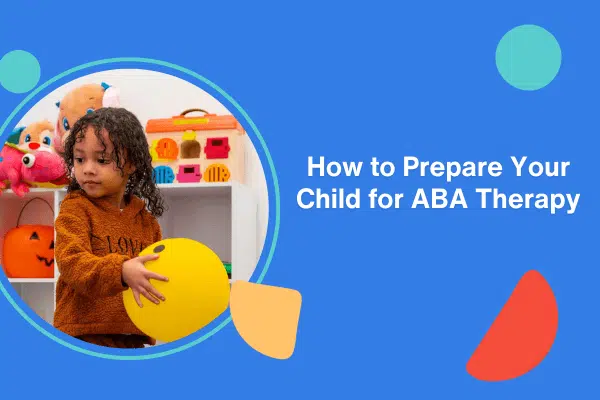

How to Prepare Your Child for ABA Therapy Sessions

Starting ABA therapy can be an emotional journey for both you and your child. You may feel a mix of excitement, anxiety, and even doubt. That’s completely normal. The good news? With a little preparation, this transition can be a positive, even empowering experience for your child and your family. If your child has recently been diagnosed with autism, you’ve likely heard that Applied Behavior Analysis (ABA) therapy is one of the most effective, evidence-based treatments available. Many children thrive in a clinic-based setting, where they can build social skills, increase independence, and receive structured learning opportunities.  While change can feel overwhelming at first, kids are resilient — and with the right support, they can adapt and flourish. To help them better transition into this new modality, the first step is to prepare for ABA therapy At Stride Autism Centers, we’ve helped countless families navigate this journey, and we’re here to make starting ABA therapy as easy and stress-free as possible for you and your child.

Understanding What to Expect from ABA Therapy

ABA is the science of learning. Short for Applied Behavior Analysis, ABA helps children acquire skills in small, manageable steps, allowing them to build on their successes over time. This process, known as scaffolding, is similar to how construction workers use supports to build higher floors. Some children pick up new skills quickly, while others need more structured guidance, and that’s okay — ABA meets each child where they are. At Stride, therapy is designed to feel natural and fun, rather than like work. Our clinics are often described by team members and families as joyful because we believe learning should be an enjoyable experience.  At our centers, ABA therapy is play-based and personalized. We meet kiddos where they are. One little girl we worked with was hesitant at first, so her therapist spent the first sessions playing with her favorite toy — pretend food. Another child felt most comfortable wearing a lion costume, so we welcomed them every day as a little roaring cub. Small, thoughtful accommodations like these help children ease into therapy and find joy in the process. Recently, in Iowa, there was a big snowfall. We talked to the kiddos in our Des Moines clinic about weather and winter clothing accessories and the children were fascinated by the idea of playing in the snow. With parent consent, of course, we bundled the kiddos up and incorporated sledding into the schedule. Their giggles warmed the adults better than any jacket! Understanding the purpose behind ABA and how it works can help you prepare for ABA therapy with confidence rather than apprehension.

Preparing Emotionally: The Parent’s Role

Your mindset matters. Children pick up on their parents’ emotional cues, so the way you approach this transition will directly impact how your child feels about it.
  • Frame it Positively: Prepare for ABA therapy by presenting it as an exciting new adventure. Many parents refer to it as “school” or “playtime with friends.”
  • Model Calmness: Kids take cues from us. If you’re anxious, they’ll sense it. If you’re confident and upbeat, they’ll feel reassured.
  • Give Yourself Grace: This is a big change for your whole family. Progress is a journey.

Creating a Positive Environment for Transition

Helping your child feel comfortable with this new change starts before their first session. Here are a few strategies to ease the transition as you prepare for ABA therapy:
  • Introduce ABA Naturally: If your child enjoys books or visual stories, use them to explain what their new “school” will be like.
  • Get to Know the Therapists: Ask for a picture or a short video introduction from the therapist so your child sees a familiar face before their first day.
  • Make It Personal: One child we worked with insisted on bringing his favorite stuffed elephant to every session. Comfort items can make all the difference.

Stride team members walking hand in hand with a young child in blue shirt and blue shorts at the park.

Establishing a Routine to Build Predictability

Predictability helps reduce anxiety. Establishing a routine before therapy begins can help set your child up for success.
  • Create a Visual Schedule: A picture schedule outlining their day, including ABA therapy, can help children know what to expect.
  • Plan for Transitions: If getting dressed is a challenge, consider letting your child wear pajamas to the clinic and changing there.
  • Understand That Sleep & Meals Aren’t Always Perfect: Many children with autism experience sleep and eating challenges. ABA therapy can help address these issues.

Introducing Your Child to the Therapy Setting

A new environment can feel intimidating. Familiarity is key to reducing stress.
  • Take a Tour: Prepare for ABA therapy by visiting the clinic with your child before their first session.
  • Meet Other Kids: Arrange a playdate with another child attending the center.
  • Normalize the Experience: Refer to ABA as “school” or “playtime” rather than “therapy.”

Communicating with Your Child’s Therapist

Building a strong partnership with your child’s therapy team is essential for your child to get the most out of their therapy program.
  • Share Key Information: The more your child’s therapist knows about their likes, dislikes, fears, and communication style, the better they can tailor sessions.
  • Ask the BCBA Questions: How will progress be tracked? What’s a typical day like? How often will parents receive updates?
  • Stay Engaged: Some parents request more frequent updates in the first few days for peace of mind.
For non-verbal kiddos, let the ABA team know how your child communicates — whether through hand signs, facial gestures, or specific vocal sounds. This knowledge helps your child’s therapist better understand and support them as they prepare for ABA therapy together.

Tips for Building Comfort and Trust

Adjusting to ABA therapy is a process. Be patient with yourself and your child.
  • Celebrate Small Wins: Acknowledge participation, smooth transitions, or any progress.
  • Use a Reward System: Whether it’s a sticker chart, extra playtime, or a special treat, find what reward motivates your child.
  • Give It Time: Some children adapt quickly, while others take a few weeks. This is completely normal.

How To Prepare for ABA Therapy: Last Steps 

Starting ABA therapy is a significant milestone, but with the right preparation, it can be a smooth and empowering journey. Every child is capable – they adjust in their own way – and every family’s experience is unique. At Stride Autism Centers, we’re here to support you every step of the way. If you have questions or need guidance, reach out. Together, we’ll help your child feel ready, confident, and excited for this next chapter.    

Author: Kristen Cooper, Chief Clinical Operations Officer

Kristen Cooper Borkenhagen is a Licensed and Board Certified Behavior Analyst (BCBA) and Licensed Marriage and Family Therapist (LMFT). Kristen is passionate about helping families achieve meaningful outcomes and has been providing behavior analytic services to individuals with developmental disabilities and their families since 2001. Kristen earned a bachelor’s degree in Psychology from the University of Wisconsin – Madison and a master’s degree in Counseling Psychology from John F. Kennedy University in Campbell, CA, before studying Applied Behavior Analysis at the Florida Institute of Technology. She held several clinical leadership positions with Trumpet Behavior Health in the San Francisco Bay Area and was the Director of Clinical Services with Achieving Collaborative Treatment in Verona, WI. The thing that excites her most about the science of behavior is its application to empower parents to create what matters most to them. Kristen lives in Madison, WI, with her husband, three kids, two cats, and six chickens. In her free time, she enjoys reading, creative projects, outdoor adventures with her family, and fostering kittens with a local animal rescue.

How to Talk with Your Child About Their Autism Diagnosis

When it comes to discussing an autism diagnosis with your child, open and honest conversations go a long way in helping them better understand themselves and the world around them. These discussions are an opportunity to celebrate your child’s unique qualities, boost their self-confidence, and lay the groundwork for a lifetime of self-awareness and advocacy.   Starting this conversation can feel overwhelming, but you don’t have to do it alone. This guide will walk you through how to approach the topic in an age-appropriate way with practical strategies to create a supportive, empowering dialogue.   Stride Autism Centers is here to help your family in this exciting upcoming chapter in your lives.


Why Discussing an Autism Diagnosis Matters

Kids are curious, and they often notice when they experience the world differently than others. Just like adults do, kids compare themselves to their peers. Without clear explanations, this can lead to confusion, frustration, or feelings of inadequacy.   Discussing an autism diagnosis provides your child, even at a young age, with clarity and a framework for understanding their experiences.   This conversation also normalizes talking about autism and encourages your child to feel proud of who they are. By fostering openness, you give them the tools to address challenges and celebrate their strengths.  

Preparing Your Family for the Conversation


1. Educate Yourself

Before starting the conversation, take time to educate yourself about autism. Resources like the Association for Science in Autism Treatment and Autism Speaks can provide valuable information.   Understanding the characteristics of autism, common strengths and challenges, and patterns of development can make it easier to explain it to them.   

2. Reflect on Timing

Choose a moment when your child is calm, focused, and ready to talk. There’s no perfect time, but if they’ve started noticing differences or asking questions about their experiences, that’s a good indicator it’s time to begin.  

3. Plan the Right Setting

Pick a quiet, familiar place where your child feels safe. A calm environment with soothing items like a lovie or stuffed animal can help them process the information and feel supported.   

Tailoring the Discussion to Your Child’s Age and Understanding


Young Children

Use simple language and concrete examples. For instance, “Autism means your brain works in a special way. It helps you do some things really well, and it makes other things a little harder. Everyone’s brain works differently, and that’s okay!”  

Older Children

Older kids and teens may be ready for more details. You can connect the diagnosis to traits they’ve noticed in themselves   For example, “Have you noticed how you’re amazing at solving puzzles but sometimes get overwhelmed in noisy places? That’s because of how your brain processes information and sensory inputs — it’s part of autism. It’s not good or bad; it’s a part of who you are.”   No matter their age, reassure them that autism is one aspect of their identity, one to be proud of and celebrated. Autism is not the only thing that defines them and their abilities.  

Creating a Supportive Environment

  A calm and supportive environment is essential for a meaningful conversation. Start by highlighting your child’s strengths.   For example, “You have such a great memory, a wonderful imagination, and you are always ready on time. Those are things that make you special. I wish I could do some of these things as well as you do them.”   If your child uses alternative communication methods or is less inclined to share how they feel verbally, incorporate tools into the conversation. Picture cards, communication devices, or visual aids can help them name and process their emotions.    An example of a visual aid we’ve used with our own kids is called Red, Yellow, Green Hearts. When you feel upset, point to the red heart. When things feel okay but not great, that’s yellow. Green hearts mean you feel calm and happy.    These shortcuts may not tell the whole story but they can help people get unstuck in sharing their emotional state, and help caregivers pinpoint problems to try and solve.


How To Explain Autism in Simple, Relatable Terms

  When discussing an autism diagnosis, use positive and affirming language.   For example, “Autism means your brain works in a unique way. It makes you really good at some things, like noticing details or remembering facts, but it can also make some things harder, like loud noises or transitions to new activities.”    Relatable comparisons can help, too. You might say, “It’s like being left-handed in a right-handed world — it’s not bad, just different. And different is great! It’s what makes us human.” These explanations can make autism feel less intimidating and more approachable for your child.  

Handling Questions and Emotions

  After sharing and discussing the autism diagnosis, give your child time to react. They might have questions like “Will I always have autism?” or “Why am I different from other kids?”   Answer honestly and reassure them. For instance, “Yes, autism is part of who you are, just like your eye color. It’s not something that needs to change, and it’s a part of what makes you amazing.”   For nonverbal children or those who use alternative communication, ensure you leave room for their input. Presume competence and allow extra time for them to process and respond.  

Promote Positivity and Self-Awareness

  Discussing an autism diagnosis is a chance to focus on your child’s strengths. Highlight what makes them unique and special. You might say, “Your autism helps you see the world in a way others might not. That’s super cool and something to be proud of!”   Share stories of role models like Temple Grandin or Greta Thunberg to inspire your child and show them that having autism is part of what makes these individuals extraordinary.


Talking to Siblings and Family Members

  Including siblings in the conversation about your child’s autism diagnosis is an important part of creating a supportive family environment. Siblings often have their own questions and observations. Helping them understand autism can promote empathy, patience, and inclusion.    Siblings of children with autism or other special needs often feel a range of emotions, including jealousy, guilt, and resentment. All of these are important to name, honor, and explore.   When talking to siblings, use simple, age-appropriate language to explain autism. For example, you might say, “Your brother’s brain works differently, which makes some things harder for him, like loud noises or changes in routine. But he’s really good at remembering things and solving puzzles!”    Encourage siblings to ask questions and express their feelings. Reassure them that it’s okay to feel curious, confused, or even frustrated at times. You might also provide examples of how they can support their sibling, such as being patient during sensory challenges or celebrating their successes.    Also, as early on and possible, share some words and phrases that are positive, respectful, and supportive. Kids who have the right language will be more inclined to engage and champion their siblings.    Another tip is to find a sibling support group so they can connect with other kids having similar experiences. There are many things siblings may be hesitant to share with parents for fear of creating more stress in the household. Peer groups can be powerful outlets for siblings to emote and validate their feelings.    By involving siblings in the conversation, you’re establishing a family culture where everyone feels valued and understood. This openness also helps siblings become advocates and allies, building a strong foundation of love and support for your child.


How Stride Autism Centers Can Support You

  At Stride Autism Centers, we’re here to support your family. Our team of dedicated professionals understands the importance of open communication and works to create an environment where your child can thrive.   We offer personalized support to help you facilitate conversations about autism, foster your child’s strengths, and connect with resources that empower your family.  

Additional Resources for Parents

  If you’re looking for more guidance on discussing an autism diagnosis or supporting your child, check out these trusted resources:   These tools can provide practical advice and help you feel confident as you navigate this journey with your child.  

Conclusion and Next Steps

Talking with your child about their autism diagnosis is an opportunity to strengthen your bond, foster self-acceptance, and empower them to embrace who they are. Remember, this isn’t a one-time conversation — it’s the beginning of an ongoing dialogue.    Give yourself grace as you navigate this process. If you have questions or need additional support, don’t hesitate to reach out. We’re here for you every step of the way.    

Author: Emily Patrizi, Chief Operating Officer

Emily Patrizi is a Board Certified Behavior Analyst with over 20 years of experience in the education and autism fields. She began her career working in group homes and school districts, eventually transitioning into Applied Behavior Analysis (ABA).

Potty Training Help for Kids with Autism: 7 Tips for Parents

It’s no secret, potty training any child is rarely easy. However, if you are a parent of a child with autism, you may find that you need additional patience and some research-backed strategies to help your child master this life skill. 

Even though potty training is challenging, you can alleviate the stress by setting realistic expectations, using some tried-and-true methods for establishing good bathroom habits, and providing a safe and positive space for your child to learn. 

The team at Stride Autism Centers understands that parents want to get their kids potty trained as soon as possible. We’ll talk about some of the unique challenges children will face during potty training, how to tell if your child is ready, and give you some tips for keeping the experience positive and successful. 

Understanding Unique Challenges

Every child has trouble understanding the concept of using the potty. The toilet can be viewed as something new and scary. Recognizing the sensation of needing to go and requesting to go are very common issues children must overcome to be toilet trained. However, a child with autism will likely have additional challenges with the potty training process.

Sensory Sensitivities

Children with autism often have sensory issues that may make everyday experiences overwhelming and difficult to manage. They may not feel comfortable with the loud flush of the toilet, the cold surface of the toilet seat, or the sensation of pulling their clothing off and on to use the bathroom. 

Communication Difficulty

Children with autism may have difficulty with communication, have a limited vocabulary, challenges getting a communication partner’s attention, or have no functional communication. Communication delays make it harder for your child to tell you when they have the urge to go, or when they do not have to go. 

Resistance to Change

Routines are important for children with autism, but sometimes those routines may make it harder for children to change. Your child may resist the change from wearing a diaper or pull-up to underwear. They may also resist a new addition to the routine that involves going to the bathroom, especially if they don’t like it.

These challenges can make potty training take longer, but with a little extra patience you can ensure the experience doesn’t become unpleasant. If it does, your child could avoid potty training, which could make the concept even harder for them to accept. Here, we’ll share some tips about keeping potty training stress-free, and learning how to celebrate small victories along the way.

7 Tips for Potty Training a Child with Autism

It will take time, but your child can learn to use the potty like their peers. These tips help keep potty training manageable and maybe a little fun, so that neither you nor your child becomes overly frustrated during the process. 

Try to be patient with the process, your child, and yourself! Learning something new takes time and energy. Use these tips to help your child work on this new skill.

1. Begin the Potty Training Journey at Right Time

There’s no specific age to begin potty training, and your child’s readiness may be years before or after another’s. Make sure you wait until you see signs that your child is developmentally ready before you begin the potty training process. 

Stride BCBAs can help work with you on recognizing these signs and working towards readiness! Signs of readiness can include:

  • Staying dry for longer periods of time
  • Very wet diapers when they were recently dry
  • Hiding/finding a quiet place to have a bowel movement
  • Showing interest or curiosity in the bathroom
  • Being able to follow simple instructions or pictures

It’s important to note that staying dry overnight isn’t a requirement to begin potty training. Most children (both children with and without autism) will not have dry nights at the same time they are potty trained during the day. Often this comes months or even years later!

2. Establish a (New) Routine

Your child already has a routine they are used to that involves a diaper and frequent diaper changes. If not, try to change them in the same place (the bathroom if possible) and have them sit on the toilet or start by approaching it. 

Adjusting to a new routine will take time. Children with autism thrive on predictability, so ensuring that your new routine is adopted slowly and then followed regularly is key. 

Make it clear what times you will visit the restroom, and what will be expected when you visit the restroom. Break this down into small, manageable steps. For instance, before breakfast we will visit the bathroom. First, we will pull down our pants, next, we will sit on the potty, etc. 

3. Practice Communication

When you first start toilet training, you will take your child frequently and as initiated by an adult; however, the goal is that they will be able to recognize the need to go and initiate the process independently. This means it’s very important to start to practice communicating about using the potty from the beginning. It’s not important that your child talks, this can be any type of communication. 

The biggest thing is that it will eventually be recognizable to others at home, in the clinic, and even at school. To do this, pair the word/sign/picture card “potty” (or whatever you choose), so your child begins to make the connection between the communication and the event. 

Even if you are initiating a trip to the restroom, still prompt them to say/communicate “potty.” This will help your child make the connection and lay the foundation to generalize this skill. 

4. Use Visual Aids

Visual aids like schedules, charts, or stories can help your child understand the steps involved with using the toilet. A pictorial aid might show that before bedtime, you visit the bathroom. 

Once in the bathroom, you follow certain steps (called a task analysis) to use the toilet and wash hands. These aids can be extremely useful for children who have limited vocabulary. If you have a child who struggles with communication, using a visual tool can also help them learn to better communicate their need to use the bathroom. 

A sign they can point to or a hand gesture they can use to signal their need to go to the restroom can be a wonderful potty training aid. 

5. Use Reinforcement and Rewards

Positive reinforcement is a tool that works well for kids and adults alike. This foundational method helps us learn new skills. 

Using strong reinforcers, things your child most enjoys (e.g., extra iPad time, a special small treat/snack, singing their favorite song) helps them learn more quickly. 

For example, every time your child indicates a need to use the restroom, or completes any small bathroom-related task, be sure to praise and reward them to help motivate them to continue trying. 

6. Address Sensory Issues

Sensory issues can be frustrating for parents and children. Validating and recognizing your child’s sensory issues can help you give them a better environment in which to learn. 

If, for instance, your child does not like the feel of toilet paper against their skin, you can offer an alternative method of cleaning like a bidet or flushable wipes. You can also gradually expose your child to sounds and textures that might be different for them. 

For instance, if loud sounds upset your child, have them step outside the bathroom and explain that you will flush the toilet and it will sound loud. 

Hand dryers in public restrooms can also be overwhelming for many children, so coming up with plans for a different drying method are helpful. You also may want to prepare your child for a loud noise if someone else uses them.

7. Be Patient With Accidents

Accidents are a normal and expected part of the potty training process. Using absorbent underwear or disposable training pants can help you eliminate the frustration often associated with an accident. 

Try your best to be gentle with your child, avoiding punishment and focusing on positive reinforcement instead. Gently remind them that when they feel the need to go and keep practicing communication! 

In addition to these tips, it’s important to make sure your child’s entire team of clinicians and teachers are supporting your efforts. Start communicating with them prior to starting this process, so they can best support you along the way!

Involving Therapist and Educators

When you decide to potty train your child, you’ll want to alert their team of therapists and educators so they can help. If your child is enrolled in ABA therapy, let the Board Certified Behavior Analysts (BCBAs) who work with them know you are interested and ready to start, so they can work with you to develop plans and support both at home and in another therapy setting. 

Collaboration is key to helping your child become fully immersed in potty training and to help them understand that using the toilet isn’t just an “at home” event. Involving your child’s team of educators and practitioners can not only help support your child, but also support you as you navigate this often stressful phase.

Addressing Setbacks and Regression

Autism toilet training regression can be a normal part of any child’s potty-training journey. A child with autism may experience setbacks and regression more frequently. Setbacks and regressions can be because of new or stressful situations. 

For instance, if your child seems to be fully potty-trained but then begins school, switches therapists, or experiences a major change in their routine, you may notice some potty training regression. 

Stay patient, and remember to continue to encourage communication and use positive reinforcement to encourage those toileting related goals.. Accidents do happen and remember, a setback or regression does not mean that you will have to start from the very beginning, work with your child’s clinician to adjust the plan if needed. 

It’s Time To Go!

Potty training might not sound like a fun task for any parent, but you can help your child be successful with the right tools and support. Establishing a routine, using visual aids, reinforcing positive behaviors and actions, and addressing sensory challenges can give your child the best opportunity to be successful with potty training. 

Be patient, and take it one step at a time. Reach out for help, and remember that setbacks and regressions are normal. For even more help and to have an individualized therapy plan custom-tailored for your child, reach out to Stride Autism Centers. We’d love to meet with you and discuss how we can help your child thrive. 


Sources:

Potty Training Children with Special Needs – HealthyChildren.org 

Review Paper: Routines in Families of Children With Autism|Rehabilitation.USWR.ac 

Potty Training For Autism – The Ultimate Guide|Autism Parenting Magazine 

FAQ Individualized Education Program (IEP) – PACER Center

3 Early Signs of Autism | Why Timely Detection Matters

Research published in the Journal of Autism and Developmental Disorders found that early intervention programs can significantly improve communication and social skills in young children diagnosed with autism, helping them reach their full potential. This underscores the importance of recognizing early signs of autism and seeking support as soon as possible.

As a parent, noticing differences in your child’s development can be both confusing and concerning. If your toddler is showing behaviors that seem unusual or delayed compared to same-aged peers, you might wonder if it’s time to seek an autism evaluation. 

Clinic psychologists and developmental pediatricians are often called upon to assess children who show signs of autism. 

Understanding Autism Spectrum Disorder (ASD)

First, let’s talk about what autism is and what it is not. According to the Association for Science in Autism Treatment (ASAT), autism is a neurobehavioral disorder characterized by impairment in reciprocal social interaction and communication, and the presence of repetitive patterns of behaviors, interests, and activities. 

Symptom onset typically occurs by 3 years of age and there is a wide range of how autism is expressed which is why we refer to it as a spectrum of disability. Recognizing this diversity and providing tailored resources allows individuals with autism to feel seen, valued, and to thrive. 

Autism is not an intellectual disability. While some autistic individuals may have learning differences or intellectual disability; many have average or above-average intelligence. Autism is part of who they are, and many embrace their identity with pride. For many, autism is considered their superpower. 

Strengths and Talents of Autistic Individuals

Autistic adults who have received services and supports often go on to excel in areas such as:

  • Enhanced Focus and Concentration: The ability to deeply engage with tasks can lead to exceptional productivity and efficiency.
  • Attention to Detail: Having an eye for precision and a strong memory make them invaluable in roles requiring accuracy.
  • Pattern Recognition and Problem-Solving: many autistic people are naturally skilled at recognizing patterns and generating creative solutions.
  • Creativity: unique perspectives and out-of-the-box thinking often result in innovative ideas and artistic expression.

3 Common Early Signs of Autism

Intervening early when your child receives an autism diagnosis makes a tremendous impact on their future potential. But, how do you know what signs to look for and when to request a formal assessment? 

Below are 3 common symptoms of autism among toddlers and young children. 

  1. Speech Delays:
  • Limited babbling or use of gestures in toddlers.
  • Difficulty responding to their name or looking to others seeking conversation 
  • Understanding what is said (receptive communication) while struggling to express themselves (expressive communication).

There is a distinction between speech and language which is important to understand when looking for early signs of autism. Delays in speech are common and tend to be due to auditory processing and/or motor planning challenges. Other children experience delays in functional language development meaning they may have an average or above-average vocabulary, but word choices may not seem appropriate to a situation or conversation. 

While an autistic child may understand the meaning of a vast number of words, they may not be able to properly or sensically express them. This can create extreme and understandable frustration.

  1. Navigating Social Environments:
  • Reduced eye contact or limited back-and-forth play.
  • Less interest in other people or group activities, preferring solitary play.
  • Difficulty adjusting behavior based on social expectations within their cultural context.
  • Difficulty with transitions or flexibility.

It’s important to note that social interactions vary by culture so a child displaying some of the early signs of autism listed above may actually be behaving appropriately given cultural practices they are accustomed to in the home. 

  1. Repetitive Behaviors & Sensory Sensitivities:
  • Often repeating words either immediately after they are said (echolalia) or repeating the same phrase/quote in the same way.
  • Repetitive actions, such as hand-flapping or rocking.
  • Strong reactions to textures, sounds, or lights.
  • Seeking or avoiding sensory input, like covering ears or intensely focusing on specific objects or parts of objects.

One common early sign of autism is echolalia, where a child repeats words or phrases they’ve just heard. While once thought to be meaningless repetition, research shows it can be an adaptive way to communicate and demonstrate intellectual understanding. Recognizing echolalia as a learning strategy can help caregivers better support language development in autistic children.

Why Early Detection Matters

Early autism diagnosis during toddler and young childhood years allows kids to access therapies that can support critical areas like communication, social interaction, and motor skills. Because young children’s brains are still developing, early intervention can have a greater impact on long-term outcomes than starting therapies later in life.

Recent research published by the National Institute of Health supports the significant benefits of early detection including improved cognitive, language, and social-emotional functioning in autistic children. Additionally, parents receiving an early autism diagnosis reported lower stress levels and better access to support services. As with everything in life, it is less scary and stressful once you know what you’re dealing with and can develop a plan.

Developmental Milestones to Watch

Understanding typical developmental milestones can help parents identify potential concerns early. Monitoring progress in areas such as language development, motor skills, and social interaction ensures that delays are recognized and addressed in a timely manner. Parents should stay informed about developmental milestones using trusted resources like the CDC’s milestone tracker and the ASAT Developmental Checklist

Here is a handy infographic from Apollo Cradle & Children’s Hospital that shows milestones from 3 months to 5 years old across several developmental dimensions.

(Image source from: https://www.apolloclinic.com/for-patients/services/consultations/paediatrics/milestones-tracking

Diagnostic Process and Professional Evaluations

If you have concerns about your child’s development, seeking a comprehensive autism assessment is a crucial step toward understanding their unique needs. At Stride Autism Centers, our diagnostic process is designed to provide clarity and support for families.. 

Here’s what you can expect:

  • Initial Consultation: We begin with a detailed discussion to understand your child’s developmental history, behaviors, and any concerns you may have.
  • Comprehensive Evaluation: As the resident licensed clinical psychologist I personally conduct a thorough assessment, which may include standardized tests, observations, and interactions with your child to evaluate various aspects of development.
  • Personalized Feedback: After the evaluation, we provide a comprehensive report outlining your child’s strengths and areas where support may be beneficial. This includes recommendations for interventions or therapies tailored to your child’s specific needs.
  • Ongoing Support: Whether or not an autism diagnosis is made, we guide you toward appropriate resources and support services to help your child thrive.

Early Intervention for Children Diagnosed with Autism

Early intervention programs focus on building essential skills through personalized learning plans. Evidence-based therapies like Applied Behavior Analysis (ABA), speech therapy, and occupational therapy help children improve communication, social interaction, and daily living skills. These therapies work best when caregivers are actively involved, reinforcing new skills at home.

Applied Behavior Analysis (ABA):

ABA is a structured, evidence-based therapy that uses positive reinforcement to encourage helpful behaviors while reducing those that may interfere with learning. ABA sessions can take place in a clinic or at home, depending on the child’s needs and what works best for the family. 

ABA Goals often include improving communication, social skills, and adaptive behaviors like self-care and problem-solving. Stride Autism Centers offers full-day, ABA therapy in a clinic setting that allows for personalized plans and social skills development to prepare children for elementary school.  

With a high ratio of Board Certified Behavioral Analysts (BCBA) and Registered Behavioral Technician (RBT) to students, Stride tailors programs to meet pre-school aged learners where they are to deliver meaningful outcomes. 

Communication & Occupational Therapy:

Speech and communication therapy focus on helping children develop the ability to express themselves effectively, whether through spoken language, sign language, or alternative communication devices. Activities may include practicing vocabulary, articulation, and using visual supports.

Occupational therapy supports motor development and daily life skills like dressing, feeding, and sensory integration. Therapists may engage children in play-based activities that build coordination, fine motor skills, and self-regulation.

Therapies can be accessed through specialized clinics, in-home services, or school-based programs. Many providers offer individualized treatment plans tailored to each child’s unique needs, ensuring comprehensive developmental support.

Conclusion & Next Steps

Taking action early can make a significant difference in your child’s development. Remember that you are not alone—there are many supportive resources are available to guide you through each step of the journey. If you have questions or concerns about your child’s development, consult trusted sources like your physician and organizations like the Association for Science in Autism Treatment. 

Please reach out to us at Stride Autism Centers for more information about autism assessments or enrolling your child if they are between 2-6 years old and have already received an autism diagnosis.

Dr. Whittington-Barnish is a Licensed Clinical Psychologist, Board Certified Behavior Analyst – Doctoral (BCBA-D), and Nationally Certified School Psychologist (NCSP). With over 20 years of experience supporting individuals with autism and developmental disabilities, she is passionate about helping children and their families thrive.

As Chief Clinical Systems Officer at Stride Autism Centers, she leads clinical programs and enjoys seeing clients make meaningful progress. Ashley also teaches at The Chicago School of Professional Psychology, where her research focuses on staff and caregiver training. She lives in the Chicago area with her family and two dogs.

How to Pick the Right ABA Therapy Provider for Your Child

Photo of a circle surrounded by two circles, a rectangle, square, and triangle.

Applied Behavior Analysis (ABA) therapy is a behavioral intervention that helps individuals with autism strengthen social skills, communicate their needs, regulate their emotions and become more independent. 

Research shows that children who receive ABA therapy early in life have more positive outcomes later in life. For children who have been diagnosed with Autism Spectrum Disorder (ASD), early intervention with ABA therapy can dramatically impact their quality of life for years to come.

Finding the right therapy center is crucial for a child with autism in order to ensure they receive the necessary ABA therapy to thrive. If you’ve been struggling to find the right ABA therapy center in your area, we’re here to help. 

The team at Stride Autism Centers understands the necessity of combining compassionate care with reliable and convenient programs to help meet each family’s individual needs. We’ll explain what you should consider when choosing your child’s ABA therapy center.

Understanding the Basics of ABA Therapy

ABA therapy, especially with children, is not like a talk therapy session you might attend as an adult. Children engaged in ABA therapy are often playing and learning in their ABA therapy center part time or full time (up to eight hours per day). This means your child will spend a lot of time at their ABA therapy center.

ABA centers are staffed with Board Certified Behavior Analysts (BCBAs) that work directly with your child on skill development and behavior modification. BCBAs, in collaboration with parents, develop an individualized plan for your child’s therapy. Those plans include goal setting, identifying and monitoring strengths, techniques used, and continual monitoring and adjusting of the plan to ensure that progress is being made as fast as possible. 

Although ABA therapy centers oversee many children, it is vital that therapy sessions and plans are customized to each child. Autism exists on a spectrum, and each child is different. Therefore, unique needs will need to be considered so that your child has the chance to grow and work on new skills as needed. 

The first step in finding the right ABA therapy provider is to do some background research on centers near you. 

Research Potential Providers

Many areas have multiple ABA therapy providers. If you live in a smaller town, start by asking your child’s pediatrician or whomever diagnosed your child about the availability of ABA providers in your area. Once you find a list of providers, there are some research tips that may help you narrow down your list.

Credentials

While there is no degree requirement for ABA therapy providers, it is important to look for centers that employ certified behavior analysts such as Board Certified Behavior Analysts (BCBA).

In addition, ask who oversees the therapy center. Generally, psychologists oversee clinical operations and program design. While this isn’t a requirement to operate an ABA therapy center, it holds the center to a higher level of accountability and standards.

Experience

ABA therapy is not new, but continued research into neurodivergent children and the positive outcomes that they experience with ABA therapy means the demand for more providers has increased. New facilities can help make ABA therapy accessible to more families, but it is important to determine whether the ABA therapy center you find has experience with children your child’s age. 

If a therapy center primarily works with school-aged children and your child is preschool age, they may not be able to focus on the needs of your child as efficiently as a different facility. 

Look for Referrals

Autism affects approximately 1 in 36 children in the United States. Chances are, you know someone who has a child with autism. Asking for referrals and recommendations from friends and acquaintances who have experience with ABA therapists is a good way to find one you may also want to partner with.

In addition, take time to read through the details of positive reviews on Google. Focus on signs of real progress made by former or current clients—these insights can give you a better understanding of how effective the center is and how satisfied other families have been with their services.

Once you’ve narrowed down the list of providers, you can begin to interview them. The interview process is important, and coming to the table with your own questions can help you avoid confusion later.

Ask the Right Questions

Many ABA therapy centers will provide a free consultation to meet with you and your child. During this time, you’ll tour the facility, learn about the credentials of the clinicians working with your child, and get a feel for the center itself. 

Although the ABA therapy center will have their own presentation, it’s important to have your questions answered. Here are some questions you can ask to better understand how the facility operates.

1. What is your approach to ABA therapy? 

There are varying techniques with ABA therapy (such as discrete trial training (DTT) and positive reinforcement). Understanding which forms a center uses can help you avoid any surprises in the future if you decide to enroll your child. 

2. How do you measure progress and adjust treatment plans? 

It’s important to know how and when treatment plans will be modified, and what role you will play as a parent. It’s also beneficial to know if a center is using technological devices to record and monitor progress or if they use traditional methods like paper note-taking and visual observation. 

3. What qualifications and experience do your therapists have? 

The credentials of the staff members working directly with your children is important. Find out how they are certified and where, and how much experience they have working with children your child’s age. 

4. How do you involve parents in the therapy process? 

As parents, understanding your role means allowing the BCBAs to do their jobs efficiently and allows you to bring home the techniques being used in the center to reinforce them at home. 

Transparency and clear, consistent communication is key to a successful relationship with your child’s ABA therapy center. You should feel like your questions are welcome and answered to the fullest. 

Consider the Provider’s Location and Availability

No matter how much you love a therapy center, if they aren’t available during hours that work for your family’s schedule it will not be a good fit. Likewise, if you find travel to and from the center troublesome, you may want to find a center close to your home or workplace. 

Consistency with ABA therapy is key to success, and missing sessions due to time restrictions and/or travel mishaps can take away from the time your child has to work with their therapist. 

Evaluate the Provider’s Approach to Family Involvement

Autism is a family matter, and a family-based approach to ABA therapy is necessary for being most successful. Ask how a potential ABA center involves family members and what will be expected of the family at home. 

In addition, talk to the personnel about how they collaborate with your child’s other providers. Speech therapists, educators, and occupational therapists can all collaborate with your child’s ABA therapy center to ensure that goals are aligned and that the skills your child is working on are being focused on across the board. 

Lastly, ask about parental involvement during sessions. Some therapy centers have strict policies that do not allow parents to sit in on every session. Also, ask what sessions you will be able to attend and how your feedback will be used to adjust your child’s program goals. 

Trust Your Instincts

If something doesn’t feel right, it probably isn’t. If you meet with an ABA therapy provider and feel like your questions are being skirted or that the staff aren’t particularly caring, you can look for a different provider. It is vital that both you and your child feel comfortable with the therapy center and staff members so that your child feels safe and free to express themselves fully. 

If you and/or your child don’t like the facility you are visiting, keep searching until you find one that you both love. ABA therapy may last between 3-5 years of your child’s life, so finding a provider that checks all your boxes is important. Keep in mind that finding the right provider may involve interviewing numerous facilities.  

The Right Fit

Finding the right ABA therapy provider may take a little time, but it’s worth your research. Your child’s ABA provider will work with them for a long time, and it’s important that all the metrics (logistics, family involvement, personalities, and credentials) are all considered. 

ABA therapy is the gold standard of treatment for children and individuals with autism, and involving your child in therapy as soon as possible gives them a better chance for successful outcomes as adults. 

At Stride Autism Centers, we focus on matching you and your child to a BCBA that is right for you both. We combine compassion, ABA techniques, playtime, one-on-one sessions, family involvement, and new technological innovations to create an atmosphere of learning where your child can truly thrive. Contact us today to explore our ABA therapy services. 


Sources:

Treatment and Intervention for Autism Spectrum Disorder | CDC.gov 

Patient Outcomes After Applied Behavior Analysis for Autism Spectrum Disorder | PMC 

US Employment Demand for Behavior Analysts: 2010–2023 | BACB

Was your preschool child diagnosed with autism? Here’s 5 things you should do next

Your child’s autism diagnosis can be destabilizing even if you suspected it. You may feel alone, unsure of how to support them, and fearful of what their future will look like. These emotions are completely normal and natural, but thankfully, they aren’t long lasting. 

Once you understand how to support your child and learn about the different interventions available to them, you can help your child thrive. With the help of your support team, you can help uncover your child’s unique abilities and strengths, and foster healthy growth and development that will build a firm foundation for their life. 

At Stride Autism Centers, we aim to give parents the resources they need to help design a plan of action for their preschool child with autism. We’ll discuss what to do if you’ve just received a diagnosis and give you actionable tips for beginning the journey with your child. 

1. Educate Yourself

Receiving your child’s autism diagnosis can feel overwhelming, and it’s okay if you haven’t had time to learn everything yet. Take it step by step, and know that there are many resources available to help you understand your child’s needs. Autism affects approximately 1 in 36 children in the United States, so you are not alone in this journey. Learning about autism can empower you to support your child, one day at a time.

Autism Spectrum Disorder is a developmental disorder that is most commonly diagnosed in childhood. Diagnosis may happen between 18-24 months of age, but you may have noticed signs and symptoms of autism in your child sooner. Autism affects the way a child communicates, responds to social situations, learns, and behaves. 

In addition to hard copy books and publications, you can gather information about your child’s diagnosis from reputable websites like The American Autism Association, and the American Academy of Child & Adolescent Psychology. Through your research, you’ll learn that a focus on early childhood intervention can help children become more successful in life, and can help uncover their strengths as well as areas to improve.

2. Build a Support Team

Raising a child takes a village, and a diagnosis of autism will require a support team you can rely on for aid in helping you ensure your child has the best opportunity to thrive. Begin building your network by ensuring your child’s primary caregivers, educators, family members, and pediatricians are all aware of your child’s diagnosis. These individuals can become valuable members of your child’s support team. It’s also important to make these caregivers and providers aware of your child’s diagnosis so that they can offer any available accommodations to your child to make your child’s life easier and more comfortable.

The involvement of close friends and loved ones can help you get relief when you need a break, or if you’ve had a particularly challenging day. If you don’t feel you have reliable people close by, consider joining a local support group for parents of children with autism. There, you’ll be able to connect with other parents who are dealing with similar challenges as your own. 

If you aren’t able to find a local support group, consider an online support group that offers real-time meetings. These will help you feel connected and may work better for people with very limited schedules. 

3. Explore Early Intervention Services

Early intervention is key, and your child’s preschool diagnosis is a valuable asset to their growth and development. Involving your child in an early intervention therapy program, like Applied Behavior Analysis Therapy (“ABA therapy”) can help set them up for a successful future. There are numerous types of therapies available to help your child. 

  • ABA Therapy. The gold standard of interventional treatment, ABA therapy uses positive reinforcement for encouraging positive behaviors through play, one-on-one therapy sessions, and other child-focused engagement techniques. ABA therapy centers help prepare your child for life by encouraging independence and more effective communication methods.
  • Speech therapy. For children who have a limited vocabulary, speech therapy can help your child develop the motor plans to produce sounds and words. If your child is non-verbal, communication therapy can help your child learn alternative methods, like the Picture Exchange Communication system (PECS), hand-gestures, or the use of specialized communication devices. 
  • Occupational therapy. One goal of occupational therapy is to encourage your child to complete tasks independently. Accomplishing tasks is encouraged by breaking them down into smaller tasks and having your child master the smaller tasks so that they can gain more independence and work on life skills. 

It’s never too soon to contact early intervention specialists focused on ABA in your area. Getting started as soon as your child receives a diagnosis gives them the most exposure time to these therapies and the best opportunity to work on new skills prior to beginning kindergarten. 

4. Create a Routine That Works for Your Child

Structure and routine are important for children with autism. Children with autism thrive on predictability and often benefit from repeated behaviors and tasks to understand and master new skills. Although it is impossible to create a routine that will never change, you can create stability in your home and in your routine in a few simple ways. 

  • Provide structure within activities of daily living. For instance, in the morning, tasks can include eating breakfast, brushing teeth, and getting dressed. In the evening, tasks may include bathing, having story time, and going to bed.
  • Use visual cues. Visual cue cards that delineate tasks with pictures may be easier for some children to use and understand, as they depict a digestible visual story. 
  • Use positive reinforcement. When your child accomplishes something from the routine, give them praise and reward them for doing so. This method of “behavior management” encourages your child to repeat the behavior. 
  • Restructure your child’s environment. For instance, if your child is responsible for getting themselves dressed, it may be necessary to lay their clothes out for them instead of having them take them from their closet or dresser themselves. 
  • Stay flexible. Your child won’t be able to maintain their task list or routine perfectly. As a result, remaining flexible with your child can help them feel safe to make mistakes and take breaks from their routine as needed. 

Keeping your daily routine can be a challenge, and there will be some days when the schedule is less predictable than other days. If you know that a schedule change will occur, talk to your child about it before it happens. You can also use techniques that your child is learning in their therapy sessions at home. Discuss coping techniques with your child’s therapist(s) and incorporate them at home to help reinforce them. 

5. Stay Positive and Celebrate Progress

Maintaining a positive attitude is key to ensuring your journey with your child is joyful and supportive. When challenges arise, remind yourself that you’re doing your best and that it’s okay to have tough moments. When you lose your cool or feel defeated, don’t spend time feeling guilty. Every parent of a child with autism deals with these struggles. 

One way to support your child and bring joy to each day is to celebrate each milestone, no matter how small. When your child unlocks a new skill or completes a new task, there is cause for celebration. Celebrating these small moments reinforces the process of establishing additional skills and can bring about more progress over time. 

When you feel particularly discouraged, reach out to your support group to find hope through their stories. Remember that the days often seem long, but the years are always short. A rough day won’t last more than 24 hours, and it is usually followed with a day that is more pleasant. When negative feelings arise, find an excuse to get out of the house and have fun with your child. 

Jump Right In

Your child’s autism diagnosis may be unexpected, and may be overwhelming. Keep in mind that this early diagnosis is a best-case scenario, and allows you to seek intervention on behalf of your child at an age when they are most adaptable. 

As soon as you receive the diagnosis, take these steps:

  1. Educate yourself.
  2. Build a support system. 
  3. Explore early intervention services.
  4. Create a routine that works for your child.
  5. Stay positive. 

There will be many milestones for you to enjoy with your child, and this is only the beginning. At Stride Autism Centers, we want to partner with you to offer guidance, support, and therapy options that are tailored to preschool-aged children. Contact us today to learn how we can partner with you and your child.


Sources:

Autism | World Health Organization.int 

Educate Yourself on Autism this World Autism Month | My Autism.org 

Autism Resource Center | AACAP.org

Why Starting ABA Therapy Early is Important for Your Child

Autism Spectrum Disorder (ASD) affects approximately 1 in 36 children in the United States. As research continues into this neurodivergent condition, ABA therapy remains the frontline course of intervention for securing successful outcomes for children with autism. Early intervention with ABA therapy leads to positive outcomes for these children that are visible into adulthood. 

ASD affects how a person behaves, communicates, engages socially, learns, and lives independently. For a person with ASD, early intervention can help them work on skills that will allow them to enjoy a fuller, more independent life as they get older. While many children are not diagnosed with autism until they are older, autism is often diagnosed between the ages of 18-24 months of age. 

Once a child is diagnosed, intervention with ABA therapy can help support their growth and development, preparing them for school and ensuring they are given the best opportunity possible for successful living. The team at Stride Autism Centers understands the inherent value of getting kids with autism enrolled in ABA therapy as soon as possible. We’ll discuss the importance and benefits of ABA therapy and tell you how you can get started.

What is ABA Therapy?

Applied Behavior Analysis therapy, or “ABA therapy,” a form of interventional behavioral therapy that helps individuals with autism build new skills, gain independence, feel confident in social situations, and regulate emotional and behavioral challenges. Through techniques like positive reinforcement, discrete trial training, natural environment teaching, pivotal response training, and others, children are allowed to “practice” for real life in a safe setting. 

ABA therapy is highly individualized, with each child receiving a plan that is unique to them. Each child’s plan for therapy will include an assessment of their strengths and unique abilities, goal setting, expectations for family involvement, and techniques that will be used for reaching goals. 

In the United States and many countries globally, ABA therapy is considered the primary method of intervention for children and individuals with autism and insurance coverage for the care is mandated in all 50 states. Its usage is heavily researched and shows that it helps children and individuals with autism develop essential skills for life. As such, the sooner a child is exposed to ABA therapy, the more consistent these positive outcomes will remain. 

Why Early Intervention Matters

It may not seem like sending your child to early ABA therapy at such a young age is necessary. After all, many children are diagnosed as toddlers. However, research shows us that the earlier a child is diagnosed and begins to use ABA therapy, the stronger the likelihood of positive outcomes later in life. 

Brain Development

When children are very young, they have a higher level of brain plasticity than they do when they get older. Being able to learn new skills and retain them is more likely in a young child, because their brain is more adaptable. Mastery over skills is more common because the brain itself is still developing.

Reaching Full Potential

Early intervention with ABA therapy helps a child reach their full potential over the long-term. When a child has more time to work on new skills, learn communication methods, and understand social situations better, they will have a greater chance for learning future skills that build on these foundations. 

ABA therapy helps a child work on all aspects of their day to day life, including social structure, communication, independence, behavior, and emotional regulation. Young children can begin work on these skills early which can help prepare them for childhood and adolescence, as well as adulthood.

The Benefits of Starting ABA Therapy Early

Because autism exists on a spectrum, each child with autism will have varying levels of needs. Each child with autism will have unique abilities and goals that can be addressed with varying ABA therapy techniques. Early starts in ABA therapy benefit children with autism in many different areas of their lives. 

Improved Communication Skills

Some children who enter ABA therapy may have limited verbal skills or be non-verbal. ABA therapy focuses on addressing communications issues by offering children with autism space to make words as they are able, and introducing alternative methods of communication, as applicable, like body language, picture exchanges, and the use of electronic communication devices. 

Enhanced Social Skills

Engaging socially can be difficult for children with autism. ABA therapy, especially in center-based programs, introduces children to social situations through playtime with other children and through one-on-one therapy sessions to help them understand social cues, relationship building, and interaction with their peers. 

This method of early intervention works well for children with autism because it allows them to choose different responses to social situations without experiencing negative consequences they might experience in a less supportive real-world setting. Providing a safe and positive space for children to learn social interaction can help them feel more secure and gives them the ability to learn on their own terms. 

Better Behavior Management

Positive reinforcement is a foundational aspect of ABA therapy and one of the primary methods of behavior modification. Through the use of positive reinforcement, Board Certified Behavior Analysts (BCBAs) will help your child through behavioral challenges by encouraging positive behaviors. Through this process, your child learns to use the positive behaviors for which they are rewarded, and unfavorable behaviors are naturally diminished. 

Greater Independence

Parents are often concerned that their children with autism may never be able to complete tasks independently. With early intervention in ABA therapy, children learn to complete tasks by breaking them down into smaller, more manageable tasks. For instance, going to the restroom independently can be broken down into tasks like recognizing the urge to go to the bathroom, walking to the bathroom, using the toilet, washing hands, drying hands, etc. 

As a child masters each individual task, they build toward the ultimate goal of mastering the task in its entirety. Learning how to break down large tasks into smaller tasks helps set a foundation that fosters more independence as a child grows. 

These benefits help children with autism thrive at their age, but they also set the course for positive, long-term outcomes.

The Impact of ABA on Long-Term Outcomes

All parents worry over developmental milestones, and as a parent of a child with autism, you’re probably very aware of your child’s growth and development. Early intervention with ABA therapy helps children with autism reach developmental milestones that they may struggle with, or may have missed altogether. 

Early intervention with ABA therapy sets the course for future learning and development in a child’s life, encouraging school readiness, the ability to engage in social situations, and live a more independent life.  

Each child’s journey is unique and early intervention provides the best foundation for future success.

How to Get Started With ABA Therapy

When you are ready to begin your child’s journey into ABA Therapy, the first step will be finding a qualified provider. You can look for providers in your area and schedule interviews and tours to learn more about available facilities. You can also ask friends and neighbors if they have recommendations for ABA therapy providers in your area. 

If your child has not been diagnosed with autism, contact a qualified provider to begin the evaluation process. Your child’s pediatrician may be the first point of contact, but many ABA therapy providers will also be able to perform a full diagnostic evaluation for you. 

When choosing an ABA therapy provider, talk to them about family involvement in the therapy process. It will be important for your family to be able to bring the ABA technique used in your child’s autism center back home to further reinforce them.

Early Intervention is the Key to Success

For children with autism, there is a significant value to beginning early intervention with ABA therapy. Research tells us that children who receive therapy early have more positive outcomes later in life. Early intervention is one of the best ways you can offer support to your child. ABA therapy can make a significant difference that allows your child to thrive. 

At Stride Autism Centers, we focus on helping your child succeed in a way that is fun, engaging, and always safe for them. We encourage family involvement and would love to meet with you to discuss how we can provide ABA for your child. Visit us at any of our locations today, or reach out online to schedule an in-center tour. 

As parents, we want the best for our kids. As a parent of a child with autism, you want to know you’re doing everything you can to set your child up for success. Your child can have a bright future and amazing outcomes from their early involvement and exposure to ABA therapy. 


Sources:

Patient Outcomes After Applied Behavior Analysis for Autism Spectrum Disorder – PMC 

Early Intervention for Autism | NICHD – Eunice Kennedy Shriver National Institute of Child Health and Human Development

How Early Can Autism Be Diagnosed?

Obtaining an autism diagnosis can be difficult. You may suspect your child has autism before their pediatrician expresses concern. Being your young child’s advocate can be a challenge, especially if you are repeatedly told by experts to ignore your concerns. 

Although it can be difficult to diagnose some children with Autism Spectrum Disorder (ASD) at a very early age (under two years) it is possible. You know your child best, and your concerns deserve to be heard and considered. At Stride Autism Centers, our goal is to partner with you on your child’s journey from diagnosis to therapy and beyond. 

Together, we’ll talk about the early signs of ASD. We’ll also explore why early diagnosis of autism is important and can significantly improve outcomes for your child. Having a foundational understanding of what autism is is essential for helping you better understand its potential impact on your child. 

What Is Autism

Autism Spectrum Disorder (ASD) is a neurological and developmental disorder that affects how an individual behaves, communicates, and learns. Autism presents challenges in social skills, independent living, and understanding new concepts. 

The term “spectrum” is included with this disorder because there is a wide variance in the presentation of autism-related symptoms. One person with ASD may be able to communicate verbally, for instance, while some people with autism may remain non-verbal throughout their lives. 

Common Characteristics of Autism

There are numerous characteristics associated with ASD. Some of the most noteworthy include:

  • Problems communicating and interacting with other people.
  • Repetitive behaviors and speech.
  • Limited interests.
  • Inability to maintain a desirable level of independence at home, work, and school.

These difficulties may begin at a very early age, with many parents noticing symptoms in their toddlers. Early detection is important, and a parent’s concerns should never be dismissed without a thorough analysis of their child’s behaviors and development. 

When Can Autism Be Diagnosed?

Research suggests that children may show symptoms of autism as early as 12-18 months of age. As their parent, you know your child’s behaviors best. If you notice patterns or changes in behavior sooner, it’s worth bringing it to your child’s pediatrician. However, it is important to note that developmental milestones can vary dramatically in the first two years of life. It can be difficult to receive a proper diagnosis for a very young child unless they exhibit extremely prominent symptoms. 

Formal diagnosis can occur between 18-24 months of age. Some children may be diagnosed earlier if a particular developmental delay is noted, or if certain milestones are not reached. 

Developmental Milestones To Note

Although missing a developmental milestone does not guarantee an ASD diagnosis, there are some milestones that may lead to a future diagnosis. Keep in mind that milestones vary. If your child doesn’t hit a milestone at exactly the expected age, it does not necessarily mean they will be diagnosed with ASD.

  • Nine month milestones. By nine months of age, children should be able to express emotions like happiness and sadness with smiles and pouts. They should also be able to respond to their names.
  • 12 months of age. By one year of age, children should be able to engage in games like peek-a-boo and patticake. Most children will also be able to use simple words to express themselves or ask for things they need, like water or snacks. 
  • 18 months of age. At 18 months of age children should respond by looking at an object or a person when it is pointed to.
  • 24 months of age. At two years old a child begins to develop empathy, and will notice if another person is happy, hurt, or sad.

If your child has not yet reached these milestones and has exceeded the age for them, it’s a good idea to mention it to their pediatrician. You can also begin to look for early signs your child may have ASD.

Early Signs of Autism

Many parents are concerned that their child will miss a developmental milestone. While missing a milestone can be a sign of autism, there are usually more prominent autism-related symptoms that lead to diagnosing autism in a young child.

Looking For Signs

In babies and toddlers it can be challenging to look for signs of autism. There are, however, some key signs that may indicate a child has autism.

  • Lack of eye contact. Most babies will begin to make eye contact with loved ones or care providers at around three months of age. 
  • Delayed speech. Speech delays do not always indicate autism, but if your child has trouble communicating with words and/or hand gestures by age two, there could be cause for concern.
  • Repetitive actions. Rocking, headbanging, flapping hands, spinning, snapping fingers or repeating words can all be signs of autism. 

These delays and behaviors can occur in children who do not have autism, but if you notice them, it is a good idea to mention it to your child’s pediatrician.

How Autism is Diagnosed in Young Children

Getting an early diagnosis can be extremely beneficial for your child. Typically, a diagnosis of autism starts at your child’s pediatrician. Your child’s pediatrician will screen them for autism at 18-24 months of age. If your child meets certain criteria, their pediatrician may refer you to a developmental pediatrician or to a specialist for a thorough diagnostic evaluation. 

Autism Diagnostic Process

At Stride Autism Centers, we make the diagnostic process easy and comfortable. First, we ask that incoming parents and children fill out a short online screening form. From there, you can expect the diagnostic process at Stride to involve three separate appointments. 

  1. Psychologist and Caregiver interview. At your first appointment, you’ll meet with our psychologist to discuss your child’s developmental milestones, medical history, and voice your concerns. 
  2. Formal Assessment. At your next visit, your child will undergo a formal assessment that includes observation and use of the Autism Diagnostic Observation Schedule, Second Edition (ADOS®-2). 
  3. Feedback and Recommendations. After our team of developmental psychologists has reviewed the findings of your child’s screening, we’ll meet with you to discuss the results and determine next steps. We will also recommend a treatment plan for helping your child thrive. 

Our team of Board Certified Behavior Analysts (BCBAs) help implement treatment plans to lay a foundation of success for your child. Getting an early diagnosis gives our BCBAs more time to work with your child and help establish positive behaviors that will last for a lifetime. 

Why Early Diagnosis Matters

The early detection of ASD is foundational to an individual’s success. The sooner that resources and techniques like ABA therapy are introduced, the more time your child has to work on new skills, learn effective communication skills, and establish their independence. 

Studies that follow individuals with autism from preschool age through adulthood have shown that early intervention with therapies like ABA help reduce autism symptoms and broadens intellectual ability years after the therapy has been completed. 

What Should Parents Do if They Suspect Autism

If you suspect your child may be showing signs of autism, act now. Bring up your concerns to your child’s pediatrician. It may be helpful to keep a log of developmental milestones that are missed or behaviors and signs you notice. 

If you do not feel you are being heard, consider contacting another professional. Resources are available to help support you and your child, and ensuring early detection is important if your child does indeed have autism. It’s also vital to your ability to help your child thrive to locate and utilize support networks of other families who have children with autism. This can help you avoid feelings of isolation and can help you build a network of support that will benefit both you and your child as they grow.

Early Detection: Important for Long Term Care

Autism may not always be diagnosable in very young children, but it often can be. The earlier you are able to get a child with autism diagnosed, the better chance they have of reducing autism symptoms and enjoying better communication and more independence. Stride Autism Centers is here to support families every step of the way. We can help you get the diagnosis your child needs and offer the ABA therapy and support that will help them thrive. 

Contact us today to schedule a consultation. We can help whether or not your child has been formally diagnosed. We aim to help you understand all that your child is capable of doing and becoming, and it all starts with a visit to one of our conveniently located centers. Let us help you and your child understand their amazing abilities and learn the skills they need to lead a full and enjoyable life. 


Sources:

Autism Spectrum Disorder – National Institute of Mental Health (NIMH) 

When do children usually show symptoms of autism? | NICHD 

Lack of Eye Contact in Autism|Very Well Health 

Psychiatry.org – Understanding Stimming: Repetitive Behaviors with a Purpose 

Early intervention improves long-term outcomes for children with autism | UW News

Catch Up on Our Free Webinar: A Guide to Autism Diagnosis and Treatment for Caregivers

Did you miss the recent “Orientation to Autism Diagnosis and Treatment” webinar by Stride Autism Centers and Blank Children’s Developmental Center? Don’t worry, you can still catch up on the valuable information shared during the session.

As a caregiver for a child with autism spectrum disorder (ASD), it can be overwhelming to navigate the steps involved in getting your child diagnosed and accessing appropriate treatment. That’s why Stride Autism Centers and Blank Children’s Developmental Center partnered to offer a free webinar aimed at providing guidance and support during these early stages.

During the webinar, which took place on March 22, attendees learned about:

  • Navigating the autism diagnostic assessments
  • The post-diagnosis applied behavioral analysis (ABA) therapy assessment and treatment process
  • Strategies to implement at home while on a waitlist

The session was tailored to the earliest days of getting your child diagnosed with autism, helping attendees learn what to expect and how to best support their child through it.

If you missed the live session, you can still watch the recording and benefit from the expert insights shared by the presenters. Simply visit the Stride Autism Centers website and look for the webinar video.

By taking advantage of resources like this webinar, caregivers of children with autism can gain the knowledge and skills needed to provide the best possible support for their child’s development and well-being. We hope you find this information helpful!

A special thanks to Blank Children’s Developmental Center for partnering with us on this helpful webinar.

Call Now Button