Category: Special Events
Stride Autism Centers® Is Coming to Cedar Rapids—Meet Your New Clinic Leaders!

Kristy and Shelley Welcome You to Stride Autism Centers®, Cedar Rapids
We’re thrilled to announce the opening of our new clinic in Cedar Rapids on May 1st! At Stride, we believe every child deserves access to high-quality, compassionate ABA therapy—and we’re proud to expand that mission here. In the spirit of community and connection, Kristy Walker and Shelley Swan from our Cedar Rapids leadership team have written personal letters to introduce themselves and share their passion for supporting children with autism.
If you’re considering ABA therapy for your preschooler, we encourage you to read their stories, learn about their dedication, and reach out to us. We would love to welcome you to our Stride family. Call us at (515) 207-5251 or visit our Clinic page.
A Letter from Kristy Walker, Clinic Director
I grew up in Iowa, having moved to Cedar Rapids when I was 9. I stayed in Iowa City for college, then spent a short four-year stint in Illinois for grad school before returning to Cedar Rapids—because there’s just something special about this place. The people, the lifestyle, and the deep focus on family and community are what I love most about Iowa.
I’ve been working with kids ever since I was old enough to take a babysitting class and help out the neighbors. After returning from grad school, I knew I wanted a career that allowed me to support children and help them thrive. That’s when I stumbled upon an ABA clinic—the only one within more than 100 miles. Eleven years later, I earned my BCBA and stayed in the ABA field ever since.
While the number of ABA options has grown in the past decade, so has the need. Cedar Rapids is the second-largest city in Iowa and serves as a central hub for many surrounding rural communities that have historically been underserved. With a strong focus on growing families, the demand for early intervention ABA services here continues to rise.
That’s why I’m so excited about the opening of a Stride clinic in Cedar Rapids. It’s a much-needed resource for a growing population, and it offers an incredible opportunity to provide early, intensive intervention—something that can truly set kids up for future success in school and the broader community.
Stride’s commitment to expanding services in underserved and rural areas is so valuable, especially in states that often get overlooked in favor of bigger, more bustling cities. What’s more, Stride’s values align beautifully with the values of Cedar Rapids: high-quality, individualized care that invests in the long-term well-being of our families.
As the director of Stride’s new Cedar Rapids clinic, I couldn’t be more excited to help open the 10th clinic in Iowa and the 20th in the Midwest. I’m especially looking forward to partnering with the Cedar Rapids community—the families, doctors, speech, physical, and occupational therapists, and school districts that make this city, my home city, such a special place to serve.
A Letter from Shelley Swan, BCBA and Clinical Supervisor
I started my career as a special education teacher in Illinois, working part-time as an RBT doing in-home ABA. When I began my master’s program, I planned to become a school principal. Then, the university launched a BCBA cohort, which felt like a sign. I loved my RBT job and realized this was the path I wanted to take.
After becoming a BCBA, I spent a year working in the schools as an Autism Coordinator before moving to the Quad Cities and shifting into center-based work. Once I had kids of my own, I started to see just how big the need is for strong preschool programs, especially ones that support autistic children. When Stride opened, I was excited to see that need finally being met. I immediately knew I wanted to be part of it.
Stride stands out because of its inclusive and child-centered approach, focus on fostering independence, and commitment to creating a supportive and joyful environment. Since joining Stride, I’ve witnessed the profound impact we make every day. It’s a joyous journey filled with laughter and authenticity, two of my most significant values. Working here allows me to embody these values fully. Seeing the RBTs being silly while they run, play, learn, and grow with the kids is beautiful. Children are empowered to be their authentic selves and supported in ways that help them succeed in school and beyond.
I am thrilled to work with Kristy to bring that same energy to Cedar Rapids. We are in the process of creating something truly special—a place where kids can thrive, families feel supported, and everyone shows up as their authentic selves. I eagerly look forward to the joy, growth, and connection we will foster in this amazing community.
Want to learn more about Stride Autism Centers®?
At Stride Autism Centers®, we specialize in providing individualized ABA therapy in a full-day center-based program that sets young children up for success—in school and in life. If you’re ready to explore how our Cedar Rapids team can support your family, we’d love to hear from you.
Call us at (515) 207-5251 or visit our Clinic page.
Author: Kristy Walker, BCBA
 Kristy Walker is a Licensed and Board Certified Behavior Analyst (BCBA) with over 10 years of experience in the field. She received a B.S. in psychology from the University of Iowa and then obtained an M.A. in clinical psychology from Northern Illinois University before returning to her home state of Iowa. Back in Iowa, she worked in a PMIC for children with internalizing and externalizing disorders before becoming a behavior tech in an early skill ABA clinic. Over the last 8 years, Kristy spent the majority of her career working in the Day Treatment Clinic at the University of Iowa Hospitals and Clinics specializing in using applied behavior analysis to decrease severe and challenging behavior. During her time in the clinic, Kristy worked to obtain her BCBA and graduated from FIT in 2018. During her years in the clinic, Kristy utilized cutting edge interventions with children and adults to quickly and efficiently decrease behaviors such as aggression, destruction, self-injury, and elopement. Wanting to expand her repertoire of knowledge and prevent challenging behavior before it begins, Kristy joins the Stride team excited to continue working in early intervention. Kristy currently lives in Cedar Rapids with her husband, daughter, and two feline friends. In her free time, Kristy likes to explore new restaurants and cuisines, spend time with family, and catch up on any horror-related movies or TV.
Author: Shelley Swan, BCBA
 Shelley Swan is a Licensed and Board Certified Behavior Analyst (BCBA). She received a B.S.Ed. in Special Education from Northern Illinois University in 2011. After graduating, she worked as a special education teacher for 6 years. During that time, she developed a strong interest in ABA and began working as a behavior technician. In 2017, she completed her M.S.Ed. in Advanced Special Education and Applied Behavior Analysis from Northern Illinois University.
Shelley has experience in a variety of settings including clinic, school, home, and community with both children and adolescents. Shelley is credentialed in Practical Functional Assessment (PFA) and Skill-Based Treatment (SBT) of severe problem behavior. She is very passionate about neurodiversity-affirming and trauma-informed care.
Stride Autism Centers® Advocates for Change at Autism Advocacy and Acceptance Day on the Hill
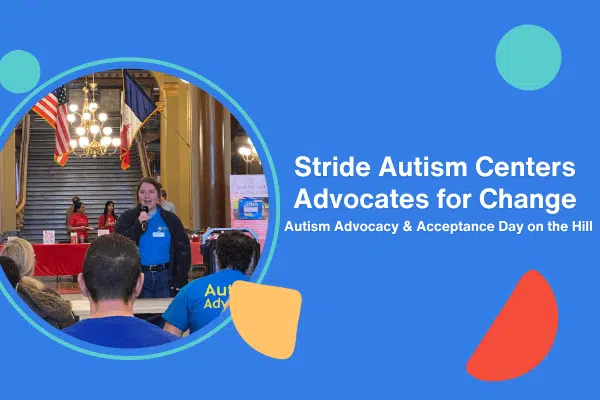
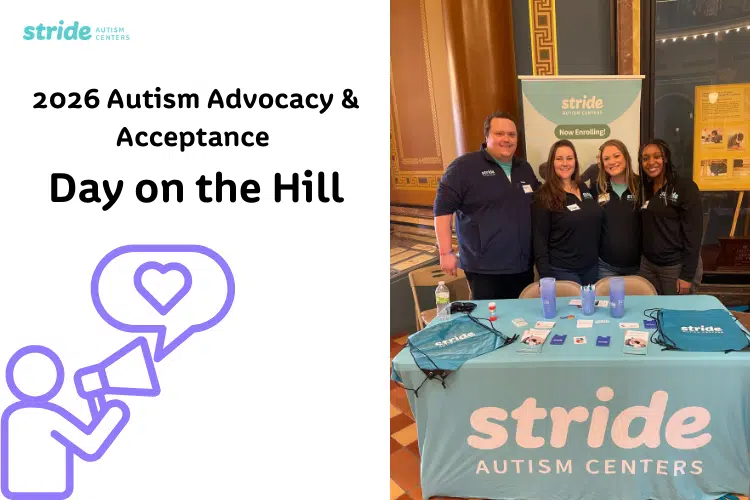
On January 18th, 2025, Stride Autism Centers® proudly joined advocates and lawmakers at Iowa’s state capital for Autism Advocacy and Acceptance Day on the Hill. The event brought together passionate individuals and organizations working to create a more inclusive and supportive world for autistic people.
Representing Stride Autism Centers® were two of our dedicated Board Certified Behavior Analysts (BCBAs), Ryhanna Singleton and Mickey Brueland, who were honored to add their voices to the growing movement for positive change.
Stride Autism Centers® provides essential clinic-based ABA therapy to preschool-aged children. Events like this one highlight the importance of not just early intervention, but also systemic change that supports children as they grow into adulthood.
Reflecting on the day, Ryhanna Singleton shared:
“Being part of this event reminded me why the work we do at Stride is so important. Every child deserves to feel understood and supported, and it was inspiring to see so many people coming together to push for a future where autistic individuals are valued and celebrated. It starts with events like this, where awareness grows into real action.”
The event featured impactful speeches from advocacy organizations and individuals, including TravelingWiki, which spoke about the challenges autistic individuals and others with invisible disabilities face while traveling. Representatives shared stories about overstimulating airport environments and the lack of accommodations, underscoring the need for a system that prioritizes dignity and accessibility for all.
Mickey Brueland, reflecting on the discussions, added:
“As someone who works with young children, it was so inspiring to see how advocacy can drive change for their futures. These kids are incredible—bright, creative, and capable—and they deserve a world that not only understands them but adapts to meet their needs. Events like this remind me that change is possible, and it starts with all of us speaking up.”
There is a growing movement within the disability community, and their voices are being heard louder than ever at the state and federal levels. Progress is being made, with more conversations about equity, accessibility, and support taking center stage.
While there is still work to be done, events like Autism Advocacy and Acceptance Day on the Hill show that change is happening—and it’s a privilege for Stride Autism Centers® to be part of this momentum.
Stride Autism Centers® remains committed to supporting children with autism and their families, not just through our services but by advocating for a world that appreciates and values every individual. We believe that understanding leads to empathy, and empathy drives action. Together, we can create a better future for all.
Learn more about our mission and services by visiting: Stride Autism Centers® ABA Therapy.
Celebrating Stride’s Nebraska Team: 2025 Great Plains Top Workplaces Award

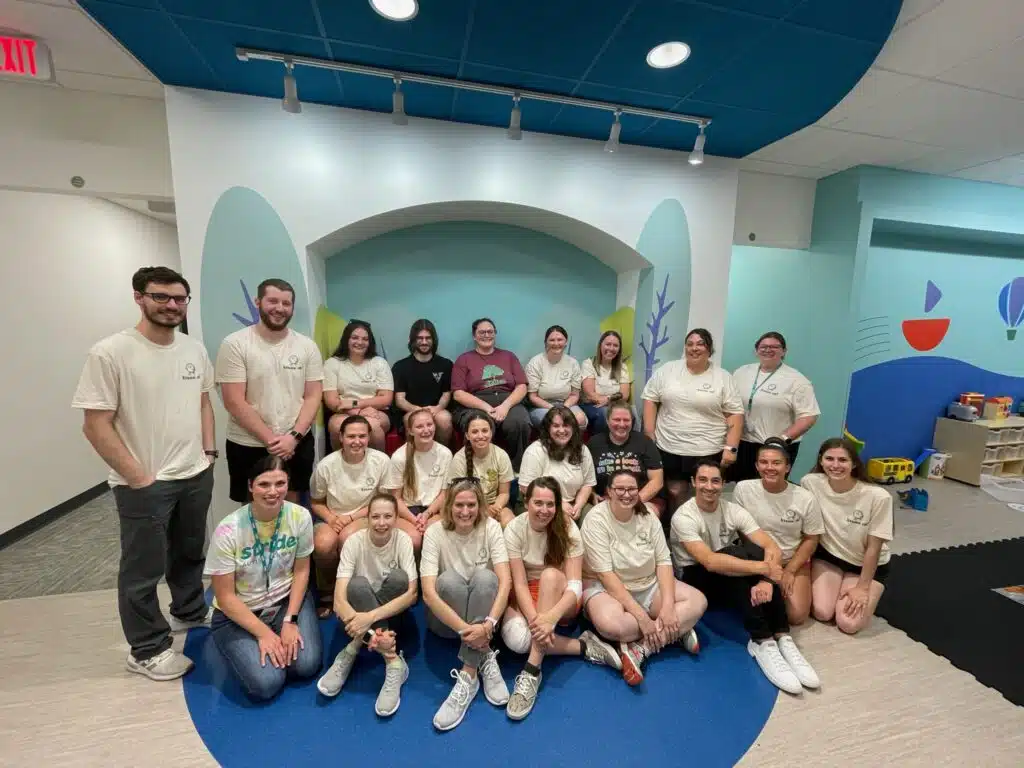
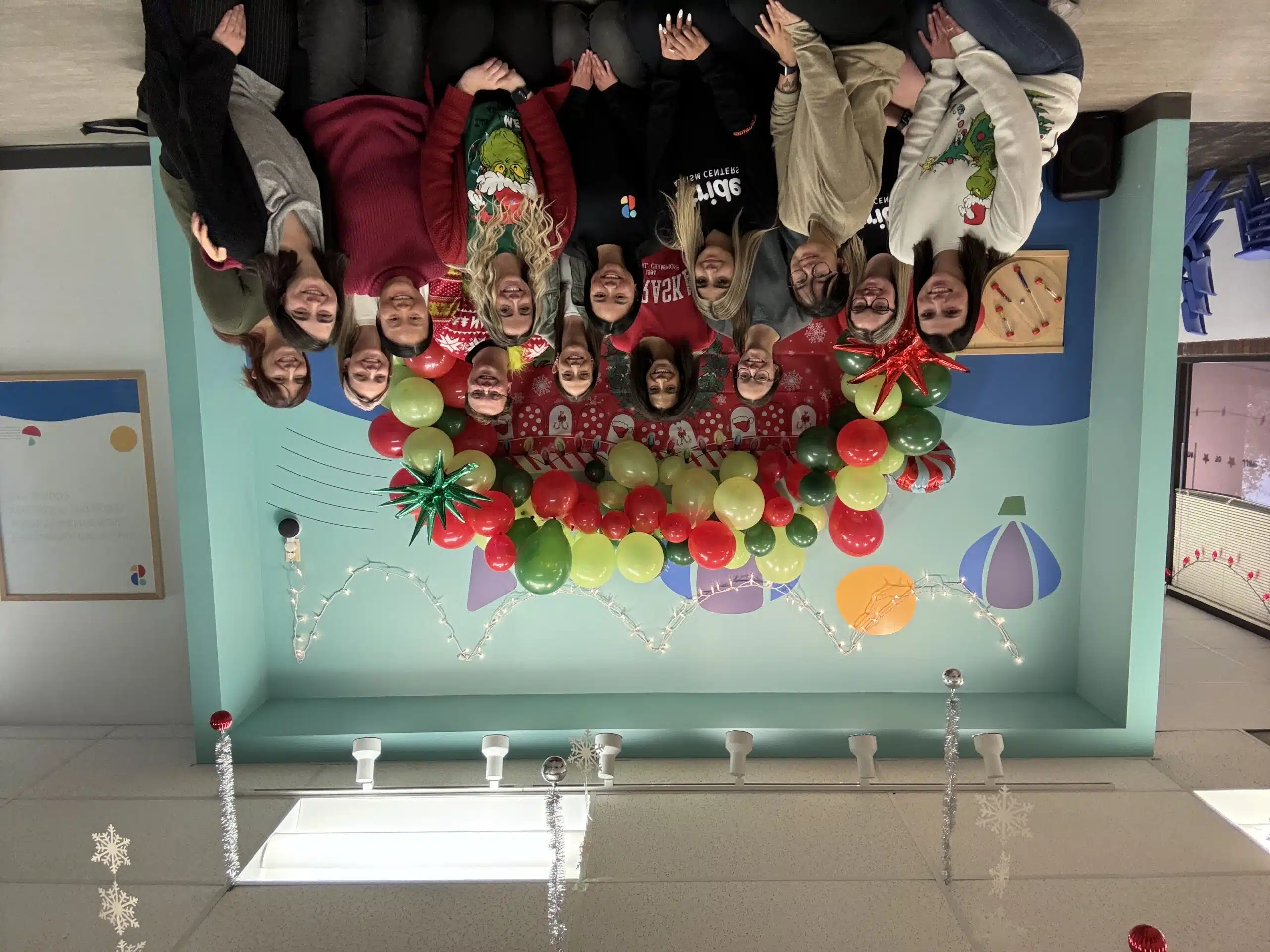
At Stride Autism Centers®, we believe in hiring the best people so we can serve the most kiddos. This people-first philosophy is the cornerstone of everything we do, and today, it’s my honor to celebrate our Nebraska team for receiving the prestigious 2025 Great Plains Top Workplaces Award.
This recognition is particularly special because it comes directly from the voices of our employees. The award is based entirely on anonymous feedback from our team members, who rated Stride on key themes like respect, support, professional growth, and empowerment.
For me, it’s a testament to the incredible culture our Nebraska centers have cultivated—one defined by purpose, respect, well-being, and joy.
Our Amazing Nebraska Team
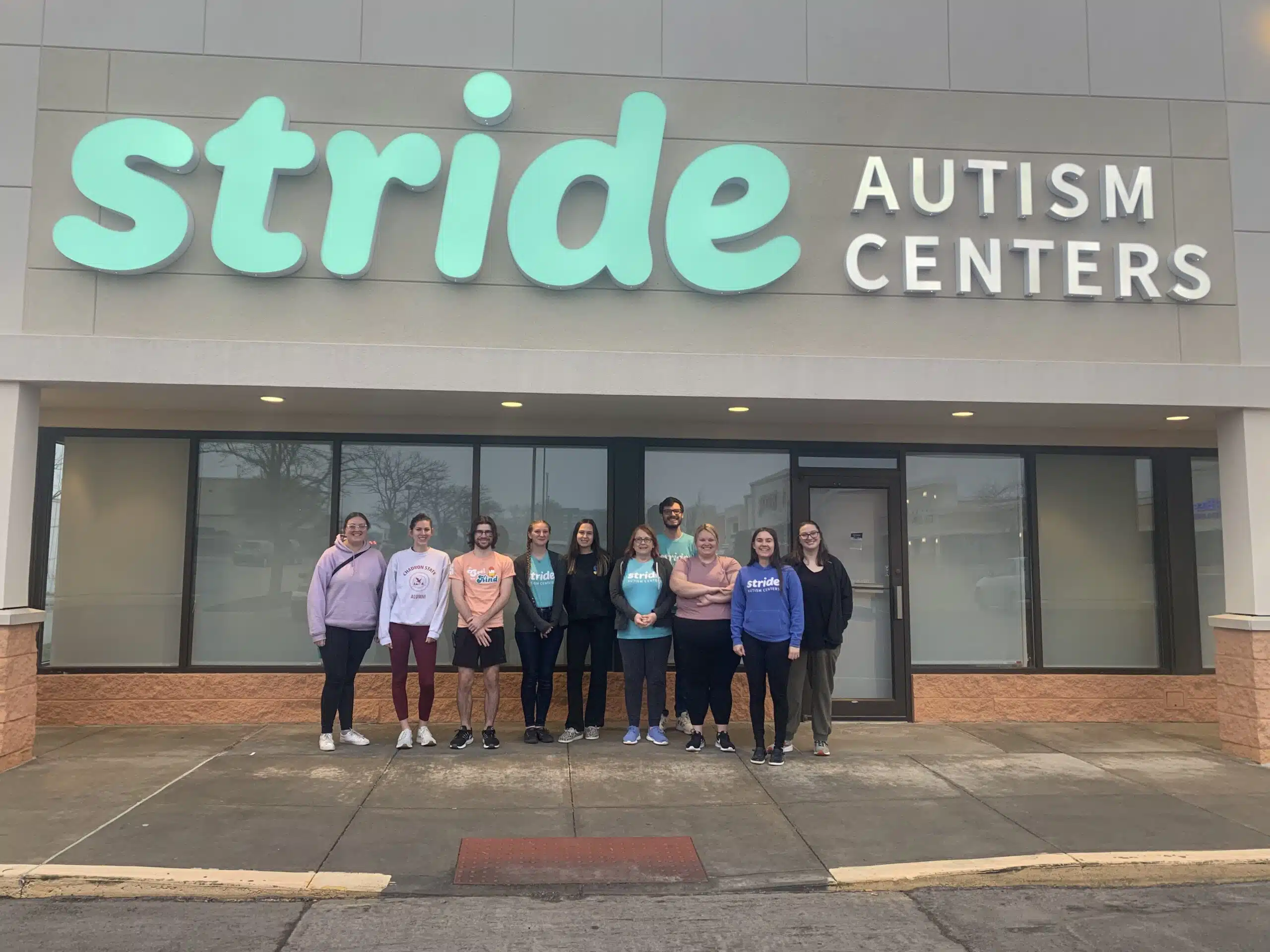
With five centers located in Central Lincoln, Lincoln, Northwest Omaha, Omaha, and West Omaha, our Nebraska team exemplifies what makes Stride truly exceptional.
Day in and day out, these remarkable individuals show up with their full selves to deliver the highest-quality ABA therapy to children with autism, empowering them to build critical skills in communication, emotional regulation, and school readiness.
A Culture That Puts People First
Stride ranked in the top 15% within our industry for professional growth opportunities and in the top quartile for standing by strong values and fostering an inclusive work environment.
These numbers are a reflection of the culture we’ve built together—a culture where every team member is empowered to grow while staying deeply connected to our mission of serving children with autism and their families.
When I founded Stride, I had a deeply personal motivation. My sister Marissa, who is now an adult, has a severe autism-related disorder. Growing up, I saw firsthand the challenges my parents faced as they advocated for her opportunities in an era where access to effective, early interventions was almost nonexistent.
I started Stride to create the opportunities my sister would have greatly benefited from as a young child, ensuring that other families don’t face the same struggles mine did.

Looking Ahead
This award is not just a milestone—it’s a moment to reflect on the extraordinary people who make Stride what it is today.
To our Nebraska team: Thank you. This recognition belongs to you. Your dedication and compassion have created a workplace that empowers employees and transforms lives.
As we continue to grow and expand our services, one thing remains constant: our commitment to fostering a people-first culture. The demand for ABA therapy in underserved communities is growing, and we are more energized than ever to meet that need while staying true to the values that earned this award.
To our team members, families, and the broader community—thank you for believing in our mission. Here’s to building an even brighter future, together.
Author: Brad Zelinger, Founder and CEO
Sioux Falls Grand Opening
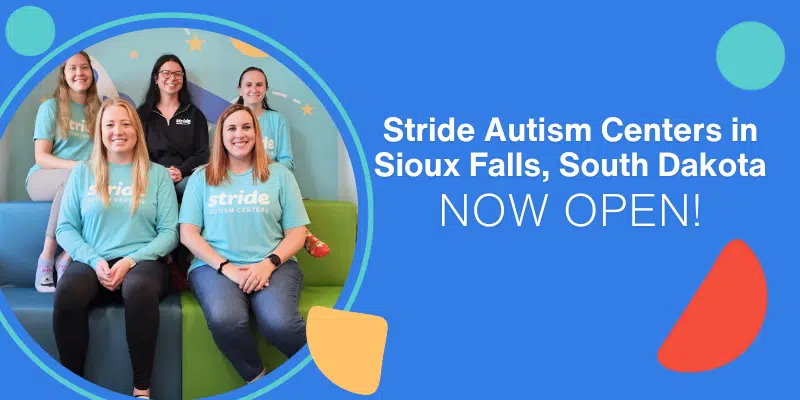
Stride Autism Centers® is thrilled to announce the opening of our newest clinic in Sioux Falls, South Dakota. The center is state-of-the-art, with naturalistic activity areas, group instruction classrooms, reading nook, individual therapy rooms, extensive play and sensory equipment, and more.
This opening marks an important milestone for Stride, as it scales access to high-quality preschool ABA therapy services to its fourth state. Demand for ABA services is growing across the country and we decided early on to focus on preschool age children with autism in historically underserved markets.
Sioux Falls was specifically chosen due to the high need for Stride’s medically necessary services throughout the local community. We are thrilled, and honored, to join the Sioux Falls community and hosted an open house on Wednesday, October October 2nd to welcome families exploring ABA for their young children.
If you were not able to make it and are interested in touring our new center, visit our website and click on the “Get Started” button.
Katie Spellmeyer, Clinic Director of Sioux Falls and South Dakota native, expressed her excitement about the care provided from the new facility: “I am so excited to have aStride Autism Center open in our area! The care and attention Stride provides to kids and their families truly goes above and beyond. Kids thrive at Stride because of the individualized program with loving one-on-one support from highly experienced behavioral experts.”
Katie added, “As part of Stride’s mission to deliver the best possible support, we prioritize involving parents, caregivers, and other specialized services in treatment decisions to ensure the best outcomes for our clients. I couldn’t be more excited that Sioux Falls kids can now access vital early intervention services!”
The Stride clinic is located at 5000 E 57th St Sioux Falls, SD 57108.
5 Signs Your Child Might Benefit from ABA Therapy
Applied Behavior Analysis (ABA) therapy is a form of behavioral therapy that focuses on positive reinforcement to encourage certain helpful behaviors while diminishing negative behaviors. It also uses other methods, like discrete trial training and natural environment teaching, to help children with autism understand social cues, learn new methods of communication, and develop more independence.
ABA therapy is considered the foremost intervention method for children with autism. Research suggests that early intervention (at a young age) with ABA therapy provides more positive outcomes for a child through adolescence and into adulthood. If your child has been diagnosed with autism, you may wonder when they will be ready to begin ABA therapy, or if they will actually benefit from it.
At Stride Autism Centers®, our goal is to partner with families to help provide the best chances of positive outcomes for their children, to prepare them for preschool. We’ll explain what ABA therapy is and how it works. We’ll also discuss signs your child may benefit from enrollment in an ABA therapy program.
Understanding ABA Therapy
ABA therapy encompasses many different techniques to help children with autism better understand the world around them. Therapy plans are highly individualized, with each child being evaluated by a Board Certified Behavior Analyst (BCBA) to determine their own unique strengths and areas that are most challenging.
Through play, one-on-one sessions, and the use of ABA specified tools (like breaking down large tasks into smaller, more manageable ones) children with autism are able to improve communication, social, behavioral, and daily living skills.
Even if your child has an autism diagnosis, you may wonder if ABA therapy is right for them. Here, we’ll cover some of the common challenges that ABA therapy helps children with autism overcome.
5 Key Signs Your Child Might Benefit from ABA Therapy
Autism Spectrum Disorder (ASD) encompasses a range of behavioral, social, and communicative challenges. Because autism is a spectrum of differences in how a child’s brain works, your child’s challenges may be completely unique. Here are some of the issues that ABA therapy most frequently addresses.
Delayed Communication Skills
Children with autism may struggle with communication. By age two, some children with autism may be non-verbal, or have minimal speech. Children with autism may also struggle to express their needs in a way that their caregivers can understand, and may also find it hard to respond to their name or to call for their attention. ABA therapy helps build functional communication skills – from beginning to request access to things children want and need to becoming conversational – and many children who begin ABA nonverbal are able to make meaningful progress with their ability to express themselves.
Challenges With Social Interaction
Sometimes children with autism struggle to connect with their peers. They may miss important social cues, appear to lack empathy, or find groups of people overwhelming. ABA therapy helps children thrive socially by providing them a safe place to learn and make decisions without the negative consequences they might risk in a real-life setting.
Additionally, at a center-based program like Stride Autism Centers®, other children of similar age and skill are present. Therefore, there are numerous opportunities for social interaction and development of social skills with peers.
Repetitive Behaviors
Children with autism often repeat behaviors like hand-flapping, rocking, or echoing words and phrases. Engaging in these behaviors may support emotional regulation for individuals with autism. However, certain repetitive behaviors may be excessively disruptive, potentially harmful and can prevent children from participating in the community and school.
When repetitive behaviors have these important drawbacks, ABA Therapy can be used to help reduce their frequency and encourage more appropriate settings for when they take place.
Difficulty With Transitions and Routines
For a child with autism, change is very difficult. Simply changing the way a morning routine is normally approached can result in an emotional meltdown. If your child struggles with transitions and has extreme reactions to changes in routine that seem small, ABA therapy can help them adapt more easily.
Aggressive or Self-Injurious Behavior
Not all children with autism will display aggressive or injurious behavior, but some will. Hitting, biting, or actions like scratching, pulling, or pushing can be reduced and managed through the use of ABA therapy.
If your child displays any of these issues, they can benefit from early exposure to ABA therapy. The sooner your child is able to engage in ABA therapy, the more they’ll be able to utilize the skills they learn in their lives. The benefits of ABA therapy last into adulthood.
Autism Therapy Benefits
For a child with autism, the benefits of interventional therapy not only helps them thrive in childhood, but also helps them prosper into adulthood.
Improved Communication
Through the principles of ABA, children can develop functional communication skills. While many children in ABA therapy can develop verbal communication skills, alternative communication methods may also be developed.
For example, the use of body language, picture exchanges, and electronic communication devices, can all help children with autism learn how to communicate more effectively, even if they remain non-verbal. Therapy is tailored to a child’s specific needs to ensure that new communication methods are helpful and effective for them.
Better Social Skills
One of the key ways that ABA therapy benefits children with autism is how it helps them learn to build relationships, understand social cues, and engage with peers. Through playtime with other children like them, they learn to identify when someone is sad, or happy, and how to respond. Center-based programs are uniquely able to support the development of social skills because other children are present.
Reduced Problem Behaviors
Positive reinforcement is a foundational aspect of ABA therapy. Through the methods of praise and reward, positive behaviors are edified and rewarded. This helps reduce challenging behaviors like aggression, self injury, and tantrums.
Greater Independence
Ultimately, your child will need to be able to master certain life skills in order to gain independence. ABA therapy helps children with autism gain independence and confidence with tasks like self-care, dressing, and daily activities by breaking them down into smaller, more manageable tasks.
The skills your child learns and works on through ABA therapy are aimed to last through their childhood, and help prepare them for adulthood.
When to Seek ABA Therapy
Many children are diagnosed with autism between 18-24 months of age. Research suggests that “earlier is better” when considering when to enroll your child in ABA therapy. Most ABA therapy providers will see children beginning at age 2.
If your child has not been diagnosed with autism, but you feel they show some of the signs and behaviors mentioned above, schedule a consultation with your child’s pediatrician or an autism specialist to have a complete diagnostic evaluation performed. It’s always better to know sooner about an autism diagnosis.
If you have an older child who has autism but has not yet enrolled in ABA therapy, don’t wait. It’s never too late to explore therapy options and get intervention. There are many ways that ABA therapy can benefit your child, and even if you feel your child has “aged-out,” there are providers available to work with them.
How to Get Started With ABA Therapy
Getting started with ABA therapy takes a little research, but it’s worth the time you’ll spend to find the provider that is right for your child and your family. Autism is a family concern, so look for ABA providers who actively engage family members and caregivers in their treatment approach. Using the techniques your child is exposed to at their therapy sessions at home can help ensure consistency and generalization of the skills across environments.
When interviewing potential therapy providers, ask plenty of questions. You should feel at home with your therapy provider, and questions about their credentials, experience, and areas of expertise are all valid. Ask potential providers about expectations for family involvement, and whether or not you can attend one-on-one therapy sessions.
Collaboration with other therapists (like speech pathologists and occupational therapists) is also key to your child’s success. A potential ABA provider should have an outline for how they’ll collaborate and work with your child’s team of professionals.
It’s also important to consider the location of your therapy provider. Your child will likely spend a lot of time with their therapy provider, so finding a location that is convenient is key. Lastly, find out what time slots are available for the program your child needs. If it doesn’t fit with your schedule, you’ll likely need to find something else.
Reap the Benefits of ABA
Children with autism can benefit from ABA therapy by learning to communicate with others more effectively, adopting positive behaviors, learning emotional regulation, and becoming more independent. These skills extend from childhood into adulthood and help individuals with autism experience more positive outcomes in school and in life.
If you’re considering ABA therapy, contact Stride Autism Centers® today. We offer expert guidance, complete evaluations, and personalized ABA therapy plans tailored to each child’s individual needs. We believe that early intervention can make a significant and important difference in a child’s life, and we look forward to helping your child learn to thrive.
Sources:
Applied behavior analysis treatment of autism: the state of the art | PubMed
Celebrating Autism Acceptance Month: Empowering Lives at Stride Autism Centers®
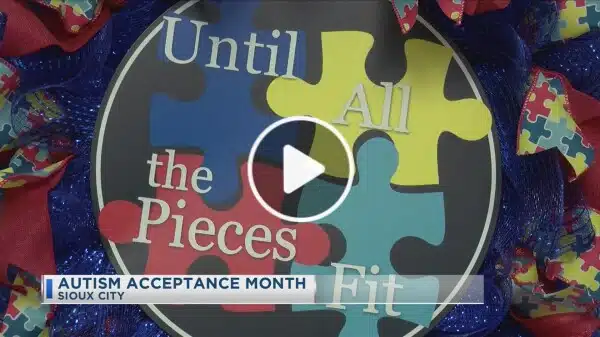
April is Autism Acceptance Month, a time to foster understanding and celebrate the diverse experiences of those on the autism spectrum. This year, Stride Autism Centers® is proud to have been featured in a recent news segment by KCAU-TV in Sioux City, which emphasizes the critical shift from mere awareness to acceptance and understanding.
The segment, part of a broader discussion about the changing perceptions of autism, highlighted the invaluable services provided by Stride Autism Centers® and other local organizations committed to supporting autistic individuals and their families.
Jordan Karlson, Clinic Director at Stride Autism Centers®, shared insights into the profound impact of early intervention. “With early intervention, we’re able to bridge the gap and get them back to where they should be developmentally,” Karlson noted. This approach not only enhances developmental outcomes but also increases the potential for autistic children to thrive alongside their neurotypical peers in various settings.
Moreover, Haley Devries, a center coordinator at Stride, emphasized our commitment to inclusivity and empowerment: “Every child deserves an opportunity to have the same outcomes in life, neurotypical or not. That’s what we’re here to do—bridge that gap and give them all of the resources and tools so they can go on and live a joyous, empowered life.”
As autism diagnoses continue to rise—with the CDC now reporting that about 1 in 36 children in the U.S. are identified on the spectrum—the need for understanding and proper support has never been more critical. Stride Autism Centers® remains dedicated to this cause, providing targeted interventions that aim to enhance the lives of children diagnosed with autism and assist their families in navigating the challenges and joys alike.
This Autism Acceptance Month, we celebrate the strides we have made together as a community and reaffirm our commitment to ensuring that every individual on the autism spectrum receives the support and recognition they deserve. We thank our families, staff, and the community for their ongoing support and look forward to continuing our work in creating a more inclusive world.
Watch the full segment [here] to learn more about our efforts and the broader impact of Autism Acceptance Month.
Stride Autism Centers® Announces Expansion to Broaden Access to Premier Autism Therapy in Nebraska

Stride Autism Centers® (“Stride”), renowned for their evidence-based therapy for children with autism, is proud to announce its expansion across Nebraska. With three successful centers in Omaha and Lincoln, Stride is set to elevate its mission further with two new centers slated to open by March 2024.
The new centers will be located at 400 N 48th St, Suite C1 in Lincoln, and 13808 W Maple Rd, Suite 124 in Omaha, furthering Stride’s commitment to serving more families throughout the Midwest.
Specializing in Applied Behavior Analysis (ABA) therapy, Stride’s clinical team offers the “gold standard” of treatment for children with autism, backed by a solid scientific foundation. Each Stride center dedicates its resources to preschool-aged children (ages 2-6), maintaining a 1:1 therapist-to-child ratio to provide support during the most critical years of early development.
Brad Zelinger, Stride’s Founder and CEO, shares his connection to the mission: “Stride’s mission to provide the best possible support to children with autism and their families is deeply personal to me. My sister has an autism-related disorder called Rett Syndrome. I founded Stride so individuals like her can get the effective therapy they need as early as possible to live more independent, joyous lives. As a Midwesterner myself, I’m particularly driven to extend Stride’s services to underserved communities throughout the Midwest.”
Dr. Ashley Whittington-Barnish, Ph.D., LCP, BCBA-D, NCSP, and Stride’s Chief Clinical Systems Officer, emphasizes the importance of early intervention, citing “Decades of research supporting the efficacy of early intervention for children with autism underpins our decision to specialize in the early treatment of young learners.”
Kristen Cooper Borkenhagen, BCBA, LMFT, and Stride’s Chief Clinical Operations Officer, reflects on the team’s dedication: “We’re grateful that our unwavering dedication to the highest quality care has enabled us to attract exceptional clinical leaders and therapists alike.”
About Stride Autism Centers®
Stride Autism Centers® is a mission-driven organization dedicated to providing evidence-based ABA therapy to children with autism. With multiple locations across Illinois, Iowa, and Nebraska, Stride’s full-day program is designed to foster communication, emotional regulation, school readiness, social skills, and transition skills.
For more information, give us a call at 312-554-5578 (Illinois) or 515-207-5251 (Iowa and Nebraska), or send us a message.
Interested in making a difference? Visit Stride Careers for current opportunities.
Sioux City Clinic Open House – Thursday, November 16 @ 4:30PM

When: Thursday, November 16, 2023
Time: 4:30 – 7:00 PM
Address: 4280 Sergeant Rd, Ste #230 Sioux City, IA 51106
Stride Autism Centers® is excited to announce that we have opened our newest clinic in Sioux City, IA and we are celebrating with an open house for the Sioux City community!
Stride’s center-based ABA Therapy program for preschoolers (ages 2-6) helps prepare children with autism for kindergarten and beyond. The open house will provide information about ABA therapy, Stride’s program and let you walk through a day in the life of the children we serve with a tour of our clinic. We will have certified clinicians on site to guide you through our clinic and answer any questions you may have about ABA therapy and Stride Autism Centers®. Children are welcome to join this fun and informational event!
- Appetizers
- Free on-site autism screenings for children under the age of 6
- Informations sessions on Autism and ABA Therapy
- Stride’s full-day program is covered by IA and NE Medicaid as well as most commercial insurances
Celebrate Autism Acceptance Month With Our Team at Stride

All April long, people across the country have been celebrating Autism Acceptance Month (formerly called Autism Awareness Month). As the month comes to a close, we thought it would be an ideal time to remind ourselves why this commemoration is important — and how we can improve it for the Autistic people in our lives.
Small changes can make a big difference
In honor, celebration, and acceptance of the clients and families we serve, Stride’s Clinical Team wants to provide some additional information as you may plan celebrations this month.
- Acceptance vs. awareness — We now celebrate April as Autism Acceptance Month. Autistic individuals and advocates use this updated language because “awareness” puts the focus on non-autistic individuals and providing those individuals with information. “Acceptance,” on the other hand, focuses on tangible, actionable steps to promote inclusive and equitable environments. More information from the Autistic Self Advocacy Network (ASAN) can be found here.
- Autistic vs. with autism — Many individuals and families prefer the term Autistic (rather than “with autism”). It’s important to center ideas showing that individuals know what is best for them. This focuses on treating Autistic individuals with autonomy and respect, which is central to the neurodiversity movement: “nothing about us without us.” In the spirit of that movement, we encourage you to review Autistic writer Alaina Leary’s ideas and actionable steps here.
- Puzzle vs. other symbols — Symbols used to represent autism — especially during Autism Acceptance Month each April — often include puzzle pieces. This perpetuates the idea that Autistic individuals are “puzzling” and incomplete. If you want to use symbols, we encourage using those accepted by the Autistic community, including the infinity symbol in rainbow (to reflect the diversity of individuals) or gold (Au is the beginning of ‘Autism’ and the abbreviation for gold on the periodic table).
- Blue vs. red — Historically, blue was used as the color for autism. This has been harmful to the Autistic community for a number of reasons. In fact, it was first chosen because autism is more commonly diagnosed in boys. Autistic people have a movement #REDinstead. Currently, the Autistic community encourages using red, rainbow, and gold.
Getting involved in Autism Acceptance Month
If you want to support autism-focused organizations, we recommend local organizations or those run by Autistic individuals. One such national organization is the Autistic Self Advocacy Network (ASAN).
Finally, we at Stride recognize and acknowledge that some folks may have used some of the language and symbols above with very good intentions. We encourage everyone to explore information on what is being said by the Autistic community and reframe practices to emphasize Autism Acceptance, both in April and beyond.
If you want more information or you want to explore our program for Autistic kids ages 2–6, get in touch.

